
AI power infrastructure is turning traditional utilities into direct participants in the data center boom. National Grid’s $1.75 billion investment for a 35% stake in Joulent shows that the companies managing power systems are no longer only responding to AI demand. They are beginning to invest in the infrastructure built to serve it.
That is a meaningful shift because AI data centers are becoming too large to treat as ordinary commercial loads. The same pressure behind data center energy demand is now creating a market where utilities, developers, oil majors, and cloud companies compete to shape dedicated power supply.
AI Power Infrastructure Becomes an Investment Class
National Grid Ventures agreed to invest $1.75 billion for a 35% stake in Joulent, a U.S.-based platform focused on contracted power and electrical infrastructure for large-load customers. The investment is designed to support data centers and AI-related power demand through a broader large-load infrastructure partnership.
This is not a routine grid upgrade. It is a strategic bet on the idea that AI data centers will require specialized power solutions outside traditional utility planning cycles.
The structure reveals a new infrastructure model: cloud demand anchors power projects, energy firms develop generation, and utility-adjacent investors provide capital and expertise.
Why Utilities Want Exposure to AI Demand
Regulated utilities traditionally earn through approved investments in transmission, distribution, and generation. AI demand creates a different opportunity: contracted infrastructure for specific customers with large, long-term power needs.
That can offer higher returns than some regulated assets, but it also carries more development risk. Projects can be delayed by permitting, turbine supply, fuel costs, community opposition, and changing customer demand.
Still, the appeal is clear. Data centers need power at a scale few other sectors can match. A single AI campus can justify major infrastructure spending, and cloud customers may sign long-term agreements that reduce revenue uncertainty.
This turns AI from a load forecast into an investment thesis. National Grid’s move suggests utilities see AI demand as bankable, not just burdensome.
Project Kilby Shows the New Deal Stack
The Kilby project matters because it brings together several forces shaping AI infrastructure: Microsoft’s compute demand, Chevron’s energy development, Joulent’s power platform, and National Grid’s investment.
This is the emerging shape of the sector. AI data centers increasingly require partnerships that cross industry boundaries. A cloud company may not want to become a power developer. An oil major may not want to become a data center operator. A utility investor may not want to own the full customer relationship. But together, they can structure projects around the AI load.
| Participant | Role in the New Model | Strategic Reason |
|---|---|---|
| Cloud customer | Anchors long-term demand | Secures power for AI workloads |
| Power developer | Builds generation and infrastructure | Converts demand into energy assets |
| Utility investor | Provides capital and grid expertise | Gains exposure to AI growth |
| Equipment supplier | Provides turbines and systems | Benefits from project acceleration |
| Local community | Absorbs site-level impacts | Demands transparency and safeguards |
The table shows why AI power infrastructure is becoming a complex ecosystem rather than a simple utility transaction.
The Grid Is Becoming Too Slow for Some AI Timelines
One reason these deals are spreading is that traditional grid timelines can be slower than AI business timelines. Transmission upgrades may take years. Interconnection studies can stall. Transformer and turbine supply chains can tighten. Local permitting can change project risk.
Dedicated power projects give data center developers another path. They can reduce reliance on existing grid capacity and create more predictable supply. But they do not escape scrutiny.
A private power plant still uses land, fuel, water, equipment, and transmission infrastructure. It may produce emissions. It may affect local air quality. It may also raise questions about whether private load growth is being managed outside the normal public grid process.
That is the political tension: private power can accelerate AI deployment, but it can also make the infrastructure system feel less transparent.
Utilities Must Balance Growth and Trust
National Grid’s investment points to a future where utilities and utility-adjacent businesses pursue AI-linked projects aggressively. That could help unlock power faster, especially in regions where data center demand is outpacing public infrastructure.
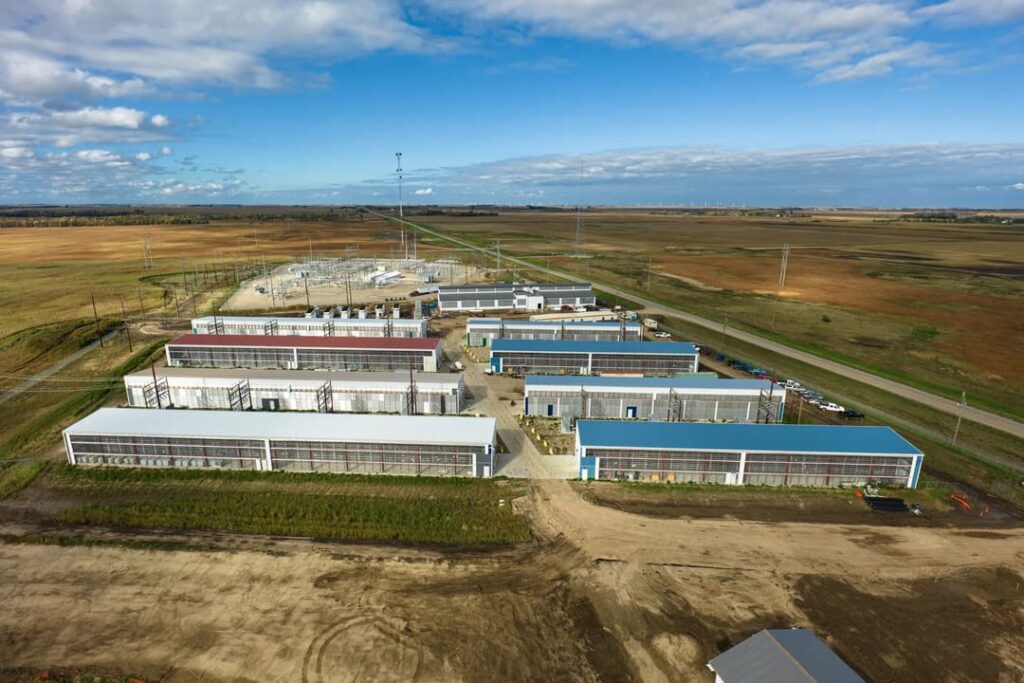
Joulent’s first major project is tied to Project Kilby, a 2.67 GW gas-fired power development in West Texas associated with a long-term Microsoft data center supply agreement and Chevron’s dedicated West Texas power deal.
But utilities also carry public expectations. Even when they invest through commercial arms, the brand is connected to reliability, affordability, and public service. If AI power projects appear to benefit hyperscalers while communities absorb pollution, land disruption, or higher costs, the backlash could spread.
The strongest projects will need clear cost boundaries. Existing customers should not quietly subsidize private AI loads. Local communities should know what is being built, what emissions are expected, and what safeguards are in place.
That makes ratepayer protection a central part of the AI power story.
The Next Signal Is Whether Others Follow
The first signal to watch is whether more regulated utilities or commercial utility arms take stakes in AI-focused power platforms. If they do, AI infrastructure will become a larger part of utility investment strategy.
The second signal is whether final investment decisions move forward on schedule. Announcing a partnership is easier than delivering gigawatts of power.
The third signal is whether similar projects lean toward gas, fuel cells, renewables, batteries, nuclear, or hybrid structures. The energy mix will determine how these deals are judged politically.
The fourth signal is whether regulators tighten oversight of dedicated data center power projects. If private generation expands quickly, transparency rules may follow.
AI power infrastructure is no longer a back-end concern. It is becoming one of the main arenas where the AI boom will either scale responsibly or collide with public resistance. National Grid’s Joulent investment shows that utilities are not waiting on the sidelines. They are entering the AI power race directly, and that will reshape how data centers are financed, built, and judged.