Artificial intelligence has become one of the most transformative technologies of the modern era. From generative AI tools to autonomous systems and advanced data analytics, AI applications are rapidly expanding across industries. However, the rapid development of these technologies has also introduced a major challenge: energy consumption.
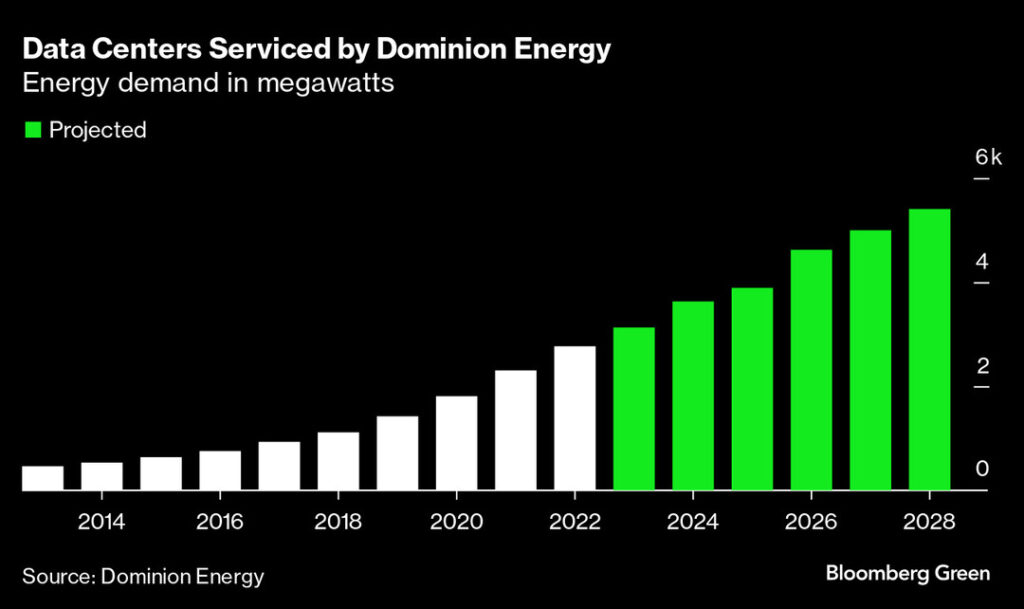
AI models require massive computational resources to train and operate. The data centers that power these systems contain thousands of high-performance processors and graphics processing units (GPUs), all of which consume large amounts of electricity. As companies continue to scale their AI services, the demand for power is increasing dramatically.
This growing demand has prompted governments and technology companies to begin addressing the energy challenges associated with AI infrastructure. Policymakers and industry leaders are exploring new solutions to ensure that the expansion of AI computing does not overwhelm national power grids or raise electricity costs for consumers.
AI Data Centers and Their Energy Requirements
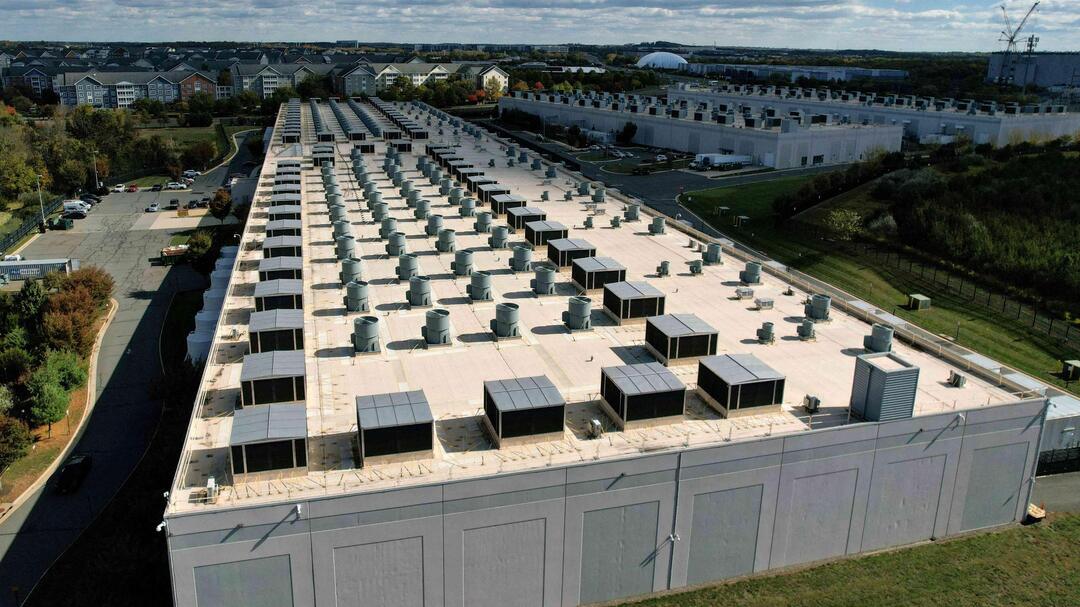
The backbone of artificial intelligence is the modern data center. These facilities house powerful servers, networking equipment, cooling systems, and specialized AI hardware that enable machine learning models to process enormous volumes of data.
Many of today’s largest AI models require thousands of GPUs operating simultaneously during training. These processors generate significant heat, which means data centers must also run extensive cooling systems to maintain safe operating temperatures.
Companies such as Microsoft, Google, Amazon, and Meta Platforms are investing billions of dollars in new data centers designed specifically for AI workloads. These hyperscale facilities often span hundreds of thousands of square feet and contain tens of thousands of processors.
Because of their size and complexity, large AI data centers can consume as much electricity as a small city. As more organizations deploy advanced AI systems, the demand for power is expected to grow even further.
Government Concerns Over Energy Consumption
Governments around the world are increasingly aware of the pressure that large-scale AI infrastructure may place on national energy systems. In response, policymakers have begun introducing measures aimed at balancing technological growth with energy sustainability.
In the United States, the White House recently announced a policy initiative encouraging major technology firms to take responsibility for the electricity demands of their AI facilities. The proposal aims to ensure that residential consumers are not forced to absorb the additional costs associated with large-scale data center expansion.
The initiative emphasizes that technology companies should secure their own energy sources when building new computing campuses. This may involve constructing renewable energy projects, signing long-term power agreements, or investing in energy infrastructure upgrades.
Government officials argue that such policies will help maintain stable electricity prices while still allowing innovation in the AI sector to continue.
Technology Companies Respond to the Challenge
Major technology companies have acknowledged that energy consumption is becoming one of the most significant issues facing the AI industry. Many firms are now investing heavily in energy-efficient technologies and renewable power sources.
Companies like Microsoft and Google have already committed to ambitious sustainability goals. These organizations aim to operate their data centers using 100 percent renewable energy within the coming years.
Cloud computing divisions, including Amazon Web Services, are also expanding renewable energy investments. Solar farms, wind power projects, and battery storage systems are being developed to support large-scale computing operations.
In addition to renewable energy investments, technology companies are exploring new cooling techniques designed to reduce electricity consumption. Liquid cooling systems, for example, can significantly reduce the energy required to maintain optimal server temperatures.
These technological innovations are helping the industry move toward more sustainable AI infrastructure.
The Role of Renewable Energy in AI Infrastructure
Renewable energy is increasingly becoming a key component of the AI data center ecosystem. Solar and wind power projects are now being developed alongside many new data center campuses.
By pairing data centers with renewable energy sources, technology companies can reduce their reliance on fossil fuels and stabilize long-term electricity costs. Some companies are even building dedicated renewable power facilities to support their computing operations.
This trend reflects a broader shift in how large-scale technology infrastructure is designed. Rather than relying solely on traditional power grids, many companies are now integrating energy generation directly into their infrastructure strategies.
The adoption of renewable energy also aligns with global climate goals, helping companies reduce their carbon footprints while expanding AI capabilities.
Balancing Innovation and Infrastructure
Despite these efforts, the rapid growth of artificial intelligence presents ongoing challenges for governments and utility providers. Expanding power grids, constructing new transmission lines, and ensuring reliable electricity supplies require significant planning and investment.
Energy regulators must carefully evaluate how new data centers will affect local energy systems. In some regions, officials are already requiring developers to conduct detailed impact studies before approving large-scale AI infrastructure projects.
The challenge lies in balancing two important priorities: encouraging technological innovation while maintaining a stable and affordable energy supply for communities.
Governments and technology companies must work together to ensure that AI infrastructure expands responsibly.
The Global Race for AI Infrastructure
The expansion of AI data centers is not limited to the United States. Countries around the world are investing heavily in computing infrastructure to support artificial intelligence development.
Nations across Europe, Asia, and the Middle East are building large-scale data centers to compete in the global AI economy. Governments recognize that access to advanced computing power is becoming a key factor in economic competitiveness.
This global race for AI infrastructure has further increased the importance of energy planning. Countries must ensure that their power systems can support the growing demand for high-performance computing while maintaining sustainability goals.
Looking Toward the Future of AI Energy Solutions
As artificial intelligence continues to evolve, new technologies may help address some of the industry’s energy challenges. Advances in semiconductor design, for example, could produce AI chips that deliver greater performance while consuming less power.
Other innovations include improved cooling technologies, energy-efficient server architectures, and advanced data center management software that optimizes electricity use.
Researchers are also exploring the potential of nuclear power, geothermal energy, and advanced battery storage systems to support future data center operations.
These developments suggest that the next generation of AI infrastructure may become significantly more energy-efficient than today’s facilities.
Conclusion
The rapid expansion of artificial intelligence is reshaping the global technology landscape, but it also raises important questions about energy consumption and infrastructure capacity. As AI models grow more powerful and data centers become larger, electricity demand will continue to rise.
Governments and major technology companies are now taking steps to address these challenges. Through policy initiatives, renewable energy investments, and technological innovation, both sectors are working to ensure that AI development remains sustainable.
The future of artificial intelligence will depend not only on breakthroughs in algorithms and computing power but also on the ability to manage the enormous energy demands required to support these systems.