The artificial intelligence (AI) landscape is evolving at a breakneck pace, with technology giants racing to secure the resources necessary to establish industry leadership. One of the most significant moves in this race comes from Meta, which has announced a major expansion of its partnership with NVIDIA. This expanded agreement will see Meta gaining access to millions of top-tier AI chips as the company undertakes a massive data center buildout a strategic investment that underscores the critical importance of infrastructure in the future of AI technology.
A Massive Bet on AI Infrastructure
Meta’s partnership with NVIDIA is more than just an update to its existing technology stack. It represents a foundational shift in how Meta approaches the future of its products and services. By acquiring millions of advanced GPUs and CPUs, Meta is preparing its infrastructure for the next wave of AI advancements, including the training of immense language models, powering real-time artificial intelligence operations, and managing enormous amounts of data.
The ultimate goal is to strengthen Meta’s independence, reduce reliance on third-party resources, and drive greater efficiency and innovation across its platforms. This proactive move aims to ensure that Meta can keep pace with, or even outperform, competitors in the rapidly evolving field of artificial intelligence.

Why AI Chips Are the New Strategic Asset
At the heart of this development is the recognition that AI chips have become the new gold of the tech world. Unlike general-purpose processors, AI-specific chips such as those designed by NVIDIA are built for highly parallel computing, the kind required for deep learning and complex neural networks. As businesses increasingly depend on AI for tasks like customer service, image generation, analysis, and recommendation systems, the demand for cutting-edge hardware has skyrocketed.
This surge in demand has led to stiff competition for access to the best chips, positioning companies like NVIDIA at the center of the AI revolution. Meta’s move to secure a large supply of these chips signals its intent to stay ahead of the innovation curve and maintain a dominant position in global tech.
Cementing NVIDIA’s Leadership in AI
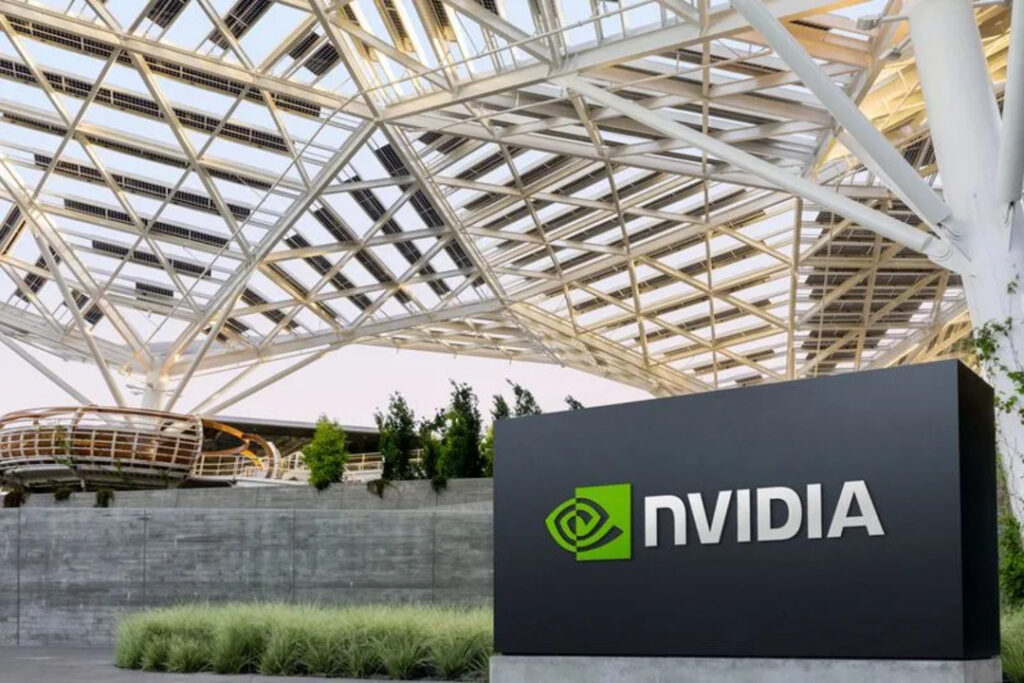
NVIDIA stands as a critical player in this new era. The company’s GPUs power the majority of advanced AI systems in use today, and its expanding partnership with Meta cements its role as an industry leader. By supplying Meta with its latest and most powerful components, NVIDIA not only extends its market influence but also sets a benchmark that other chipmakers, such as AMD and Intel, are eager to match, but have yet to surpass.
The relationship showcases the growing importance of ecosystem partnerships in the tech world, where the ability to scale rapidly and efficiently is becoming a defining business advantage.
Rethinking Data Centers for the AI Age
Meta’s investment extends far beyond just purchasing hardware. To support cutting-edge AI operations, the company is reimagining its data center design and operations. Modern AI workloads demand infrastructures that go well beyond traditional data centers requiring state-of-the-art cooling systems to manage the heat generated by high-density chips, optimized layouts for improved airflow, and high-speed networking capabilities to move vast amounts of data quickly and efficiently.
These new facilities are purpose-built for scalability, efficiency, and the high-performance standards required by next-generation artificial intelligence, creating a foundation that can adapt alongside future technological breakthroughs.
How This Investment Impacts Meta’s Platforms
The immediate benefits of increased AI capacity will be felt across Meta’s core products, including Facebook, Instagram, and WhatsApp. These platforms rely on sophisticated machine learning to personalize user experiences, filter inappropriate content, boost security, and enable innovative features. By investing in faster and more efficient AI processing, Meta can roll out smarter algorithms, enhance virtual assistants, and develop new capabilities that make user interactions more seamless and engaging.
Looking further ahead, this infrastructural leap could pave the way for AI-driven developments not yet imaginable, bringing new layers of intelligence and automation to Meta’s broad array of digital products.
The AI Arms Race Across the Tech Industry
Meta is not alone in recognizing the strategic value of AI infrastructure. Across Silicon Valley and beyond, tech companies are pouring resources into building their own computing backbones. The escalating demand has been described as an “AI arms race,” with those able to secure hardware and technical resources gaining a sharp edge in both innovation and market reach.
These large-scale investments not only drive internal progress but also shape the industry standard for what is possible, encouraging further advancement and collaboration within the broader AI ecosystem.
Overcoming Challenges: Cost, Efficiency, and Sustainability
While these advances signal exciting progress, they also bring new challenges. The massive scale of AI infrastructure requires significant capital expenditure, careful planning, and efficient management. One of the most pressing concerns is energy consumption; data centers equipped with thousands of GPUs have high power needs, prompting companies to prioritize greener technologies and sustainable practices.
Technical hurdles such as optimizing chip utilization, minimizing downtime, and ensuring that systems scale reliably with increasing demand are additional factors that companies must address to maximize the return on their AI investments and minimize their environmental footprint.
The Future: Infrastructure Defines Innovation
Meta’s expanded deal with NVIDIA serves as a clear indicator that the future of AI will be shaped as much by the strength of a company’s infrastructure as by the originality of its algorithms. Those that can marshal powerful computing resources will be positioned to set the pace for the next wave of technological change.
As advanced infrastructure becomes fundamental to staying competitive, the gap between industry leaders and the rest may grow. However, these advancements are also likely to spur greater adoption of AI across other sectors, including healthcare, finance, education, and entertainment, transforming the way companies operate and deliver services.
FINAL THOUGHTS
Meta’s partnership with NVIDIA represents a transformative step in the global AI arms race, highlighting the pivotal role of infrastructure in shaping the direction of artificial intelligence. By securing millions of advanced AI chips and revamping its data center strategy, Meta is future-proofing itself, ready to deliver new levels of intelligence and capability to its users.
This marks not only a major leap forward for Meta, but also a defining moment for the industry as a whole. In an era where scale is paramount, this move confirms that the technology leaders of tomorrow will be those who can build and power the intelligent systems that drive innovation forward.