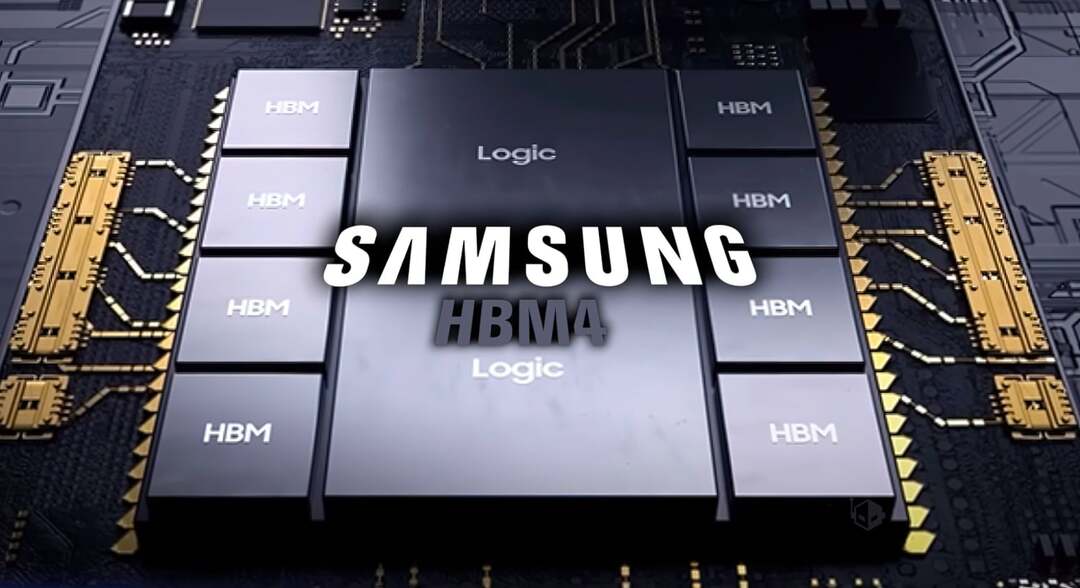
Samsung Electronics has ushered in a new era for high-bandwidth memory by commencing shipments of its latest HBM4 chips to key artificial intelligence clients. With this bold move, Samsung is renewing its challenge against top contenders in the fiercely competitive AI memory landscape and positioning itself to seize opportunities arising from the tremendous global demand for AI infrastructure.
A Strategic Shift in the AI Hardware Race
The accelerated growth of artificial intelligence has triggered an unprecedented appetite for advanced memory solutions. Modern data centers and AI accelerators heavily rely on high-bandwidth memory (HBM) to sustain immense computational needs, making memory technology a key battleground for industry leaders.
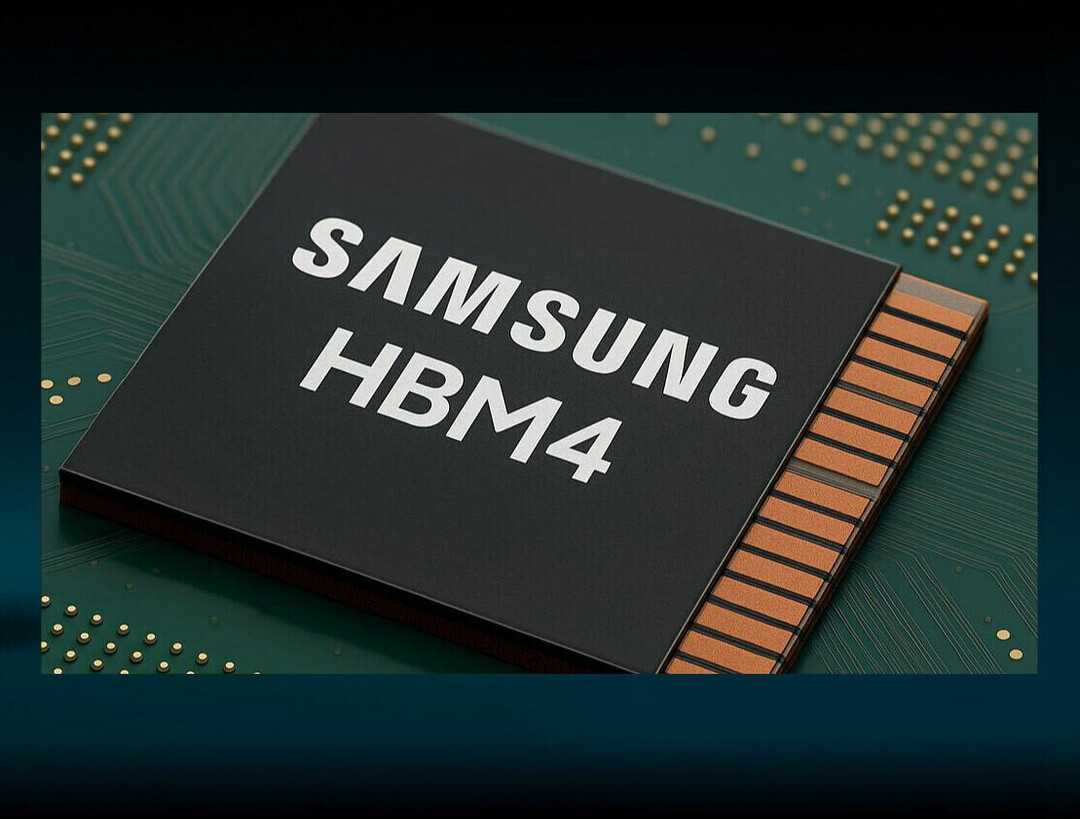
On February 12, 2026, Samsung Electronics declared it had begun dispatching its most sophisticated HBM4 chips to several AI-focused clients, though the company stopped short of naming specific buyers. Market observers widely speculate that Nvidia, a dominant force in AI hardware, is among Samsung’s initial recipients, underscoring the strategic significance of this launch.
Why HBM4 Matters in the AI Revolution
HBM, or high-bandwidth memory, is purpose-built to enable faster, more efficient data exchanges between memory and processors a critical feature in AI and machine learning systems where vast datasets must be processed at lightning speed. Samsung’s HBM4 memory is reported to deliver a consistent data transfer rate of 11.7 gigabits per second (Gbps), a 22% leap over its already high-performing HBM3E predecessor. Peak transfer rates hit an impressive 13 Gbps.
These advancements are anything but incremental. The notable increase in memory bandwidth and energy efficiency is set to reduce latency and power draw, two key priorities for companies building data centers and AI training clusters. More power-efficient and faster memory means AI models can be trained and deployed more quickly and cost-effectively, benefitting both cloud providers and end users.
Regaining Competitive Edge Against Rivals
For Samsung, the HBM4 rollout represents a decisive attempt to close the gap with competitors such as SK Hynix and Micron, which have led previous generations of high-bandwidth memory innovation. Until recently, Samsung had lagged behind in HBM3E development and deployment, conceding ground in lucrative AI memory contracts. With the commercial release of HBM4, Samsung is aiming to stage a comeback by marrying strong performance improvements with a robust manufacturing roadmap.
Song Jai-hyuk, the company’s head of chip technology, reported overwhelmingly positive reactions from customers, highlighting that initial feedback has “exceeded expectations” and is a testament to Samsung’s successful leap in engineering.
Powering Next-Generation AI Infrastructure
As more companies invest in artificial intelligence research, Samsung’s HBM4 chips are primed to become essential building blocks for future data centers and cloud computing environments. These chips help mitigate the bottlenecks that traditionally hamper large language models, neural networks, and generative AI applications, making them invaluable for organizations aiming to push the envelope of AI capabilities.
Hosting providers, cloud giants, and research institutions require unparalleled memory speeds and efficiency to keep up with rapidly increasing model sizes and user demand. The HBM4 series delivers on these fronts, supporting sustained high-speed data throughput and ensuring that AI processors aren’t hampered by memory delays.
Looking Forward: Samsung’s Vision for High-Bandwidth Memory
Samsung isn’t slowing down following the HBM4 debut. The company is investing heavily in expanding both its high-bandwidth memory production and R&D capacity, laying the groundwork for even more powerful future generations. The aggressive product roadmap suggests Samsung intends to be a dominant force in AI hardware for years to come.
As global interest in artificial intelligence and machine learning accelerates, Samsung’s push into HBM4 could reshape the competitive landscape, fueling both innovation and the capacity to manage tomorrow’s computing demands.
A New Era in AI Memory Innovation
Samsung’s delivery of its first HBM4 memory chips to AI-focused partners represents a strategic inflection point in the evolution of AI hardware. By boosting processing speeds, increasing efficiency, and addressing critical data center challenges, Samsung is not only catching up with memory market leaders but is vying to set the pace for the industry’s next phase.
As artificial intelligence applications expand in sophistication and scope, next-gen memory like Samsung’s HBM4 will become ever more crucial, powering technologies ranging from large-scale data analysis to autonomous systems.