
The rapid spread of artificial intelligence (AI) tools and open-source frameworks has unleashed a wave of innovation but also critical new security risks. In a groundbreaking investigation, security researchers from SentinelOne’s SentinelLABS and Censys have revealed that a sprawling network of 175,000 Ollama AI servers is currently exposed to the public internet worldwide. This vast “unmanaged, publicly accessible layer of AI compute infrastructure” raises urgent questions about data privacy, threat exposure, and the readiness of organizations to secure the next generation of digital intelligence.
The Discovery: Ollama’s Global Footprint
Ollama is an open-source platform that enables users to download, run, and manage large language models (LLMs) locally on Windows, macOS, and Linux. By default, Ollama is set to bind only to the localhost address (127.0.0.1:11434), but a minor configuration change binding to 0.0.0.0 or a public interface can make these servers accessible to anyone on the internet.
According to the new analysis, researchers identified 175,000 unique Ollama hosts exposed across 130 countries. These servers span both cloud and residential internet infrastructure, highlighting a global footprint that transcends enterprise IT environments and reaches individual users and small businesses alike.
Who’s Most at Risk? A Look at Global Distribution
While cases of exposed Ollama servers exist around the globe, the data shows concentrations in several key regions. China stands out, accounting for just over 30% of total exposures. Other countries with substantial infrastructure footprints include the United States, Germany, France, South Korea, India, Russia, Singapore, Brazil, and the U.K. This wide distribution suggests that no single region or sector is immune from inadvertent AI server exposure.
Such widespread risk indicates that the world’s growing reliance on open-source AI is outpacing the implementation of essential security measures. Organizations and individuals deploying Ollama often operate “outside the guardrails” set by mainstream cloud providers, leaving critical data and systems vulnerable to unauthorized access.
The New Attack Surface: Code Execution and Tool-Calling Capabilities
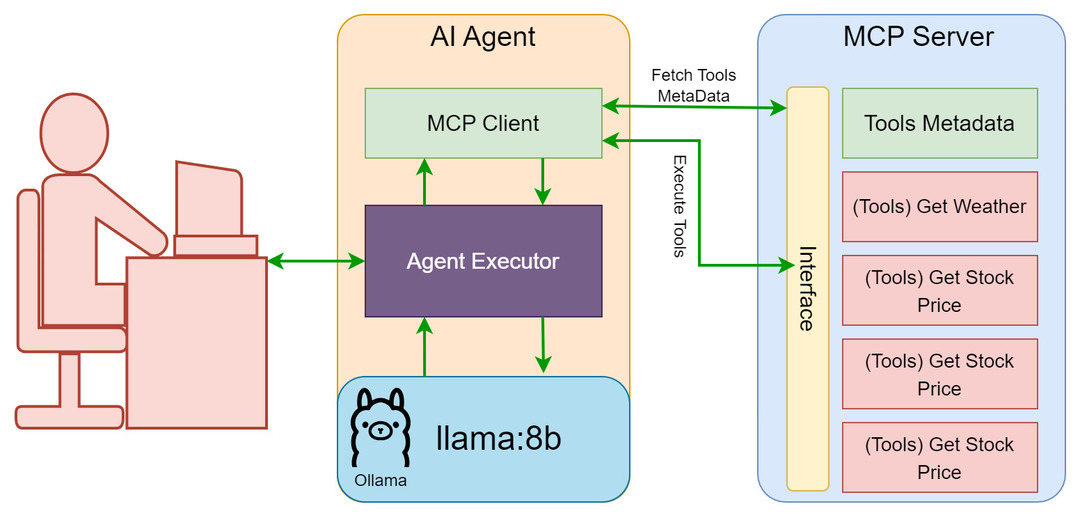
The research also highlights a worrying trend: nearly half of these exposed Ollama servers are configured with tool-calling capabilities that let them execute code, access external APIs, and interact with other systems. In effect, many of these AI endpoints are not just passively running AI models—they are integrated into larger system processes, heightening the potential for misuse, lateral movement, and security breaches.
The proliferation of AI-powered tools that can connect freely to the public internet, execute code, and interact with other systems represents a sizable and largely unmonitored attack surface. According to SentinelLABS, this dramatically increases the potential for abuse, not only by opportunistic hackers but also by organized cybercriminals targeting sensitive sectors.

Why So Many Exposures? Ease of Configuration Meets Lack of Awareness
One of Ollama’s selling points is its straightforward configuration and file-based management. However, this ease of use is a double-edged sword. While making AI more accessible to enthusiasts and developers, it also makes it easy even trivial to expose systems to the wider internet, sometimes unknowingly. A minor change in configuration can inadvertently transform a secure, local AI installation into a globally accessible server, ready for tampering or exploitation.
Many users lack deep networking or security experience, meaning critical missteps go undetected until it’s too late. Without routine audits or awareness of best practices, servers remain exposed, often with minimal monitoring or access controls.
Risks and Real-World Impact
The consequences of leaving AI servers publicly accessible are substantial. Potential threats include:
- Unauthorized data exfiltration: Attackers could siphon confidential training data, inference requests, or output, violating privacy and intellectual property.
- Malicious code execution: Tool-calling LLMs could be manipulated to execute harmful code or relay commands within integrated networks.
- Botnets and abuse: Open AI servers could be conscripted into botnets or used in broader cyber campaigns targeting other systems.
The problem is not unique to Ollama; rather, it signals a systemic gap in how open-source AI tools are being adopted without adequate security infrastructure.
What Needs to Happen Next
This global exposure demands urgent action from both the developer community and organizations deploying AI solutions:
- Audit deployments regularly: Check configurations to ensure servers are not unintentionally exposed.
- Stronger defaults and guardrails: Open-source frameworks should ship with secure-by-default settings and clear documentation on exposure risks.
- Security education: As AI tools move into the hands of more users, developers and operators must become literate in basic cybersecurity.
Vigilance, education, and collaboration between the open-source, security, and AI research communities are essential in closing this growing gap before it leads to widespread exploitation.
Innovation Must Meet Security
The revelation of 175,000 publicly accessible Ollama AI servers is a wake-up call for the global tech industry. As AI tools become democratized, organizations and individuals must ensure that innovative deployments do not become liabilities. Proactive security measures, regular audits, and awareness can help shrink the vast and vulnerable attack surface making the promise of AI both accessible and safe for everyone.