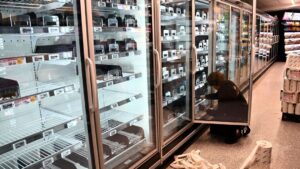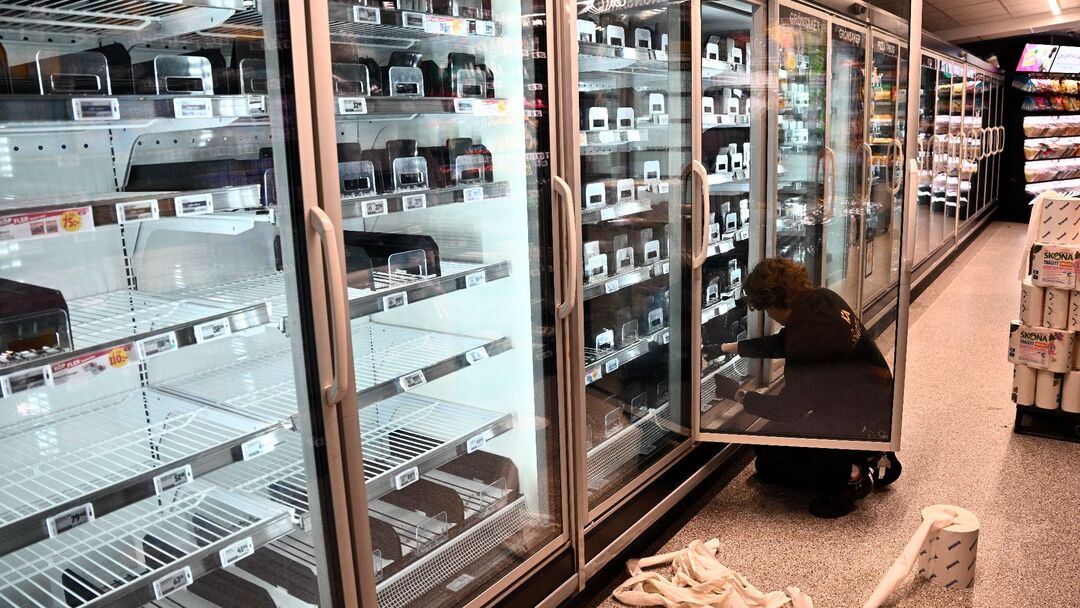
European grocery stores lost refrigerated stock after a wave of cyber incidents on November 2, 2026. For server operators, the lesson is not that the same attackers have entered data centers. It is that network-connected systems controlling physical conditions can become a route to disruption even when the servers themselves remain online.
AFP’s reporting on the European refrigeration incidents documented affected stores in at least nine countries, following a similar attack on French supermarkets in October. Some retailers confirmed cyberattacks; other incidents were still under investigation. Reporting also raised concerns about remote refrigeration-management services and older equipment. The attackers’ identities and a common technical cause were not publicly established.
There is another important limit: no verified public finding shows that artificial intelligence was used in these freezer attacks. Cybersecurity specialists warn that AI could help an attacker search for exposed equipment or automate parts of an intrusion, but that is a risk assessment, not evidence of what happened in Europe.
Why a Freezer Can Be a Cybersecurity Target
Commercial refrigeration is increasingly managed by operational technology (OT): controllers, sensors, monitoring gateways and software that interact with physical equipment. Remote access lets maintenance teams detect faults and change approved settings without visiting every store. It also creates permissions and network paths that must be secured.
A malicious or mistaken setting change can affect a physical process without deleting business files or taking the point-of-sale system offline. Depending on the design, an unauthorized change to a temperature setpoint, defrost schedule or equipment-control policy could lead to spoiled stock. Investigators must still determine the specific mechanisms used in these incidents.
Reports of freezer controls displaying extreme temperatures also require care. A configured setpoint, a controller’s measurement and the actual temperature of stored goods are different data points. A headline figure is not a substitute for independent temperature records and equipment logs.
What This Means for AI Data Center Cooling Security
Data centers have a related, though not identical, dependency. Building-management systems, chilled-water plants, pumps, air handlers and coolant distribution units may use IP-connected monitoring and remote maintenance. Compromise of these controls could affect server inlet conditions or coolant delivery even when compute-network firewalls and application servers are unaffected.
Schneider Electric’s cybersecurity guidance for data-center power and cooling infrastructure explains that management software can connect physical infrastructure to corporate networks, remote services and third-party cloud platforms. Those integrations are useful, but each is a potential access path that needs design, maintenance and oversight.
A hypothetical example illustrates the concern: a cooling controller accepts an unauthorized configuration change while IT servers and their UPS continue operating. The first warning might be an abnormal supply-water temperature or a rise in rack inlet readings, not a conventional server intrusion alert. This is a design scenario, not a report that European freezer attackers targeted a data center.
The practical consequences depend on the installed cooling equipment and how quickly the site can detect and correct the change. HW Server’s analysis of AI rack cooling ride-through explains why continued electrical power does not by itself guarantee that a high-density rack remains within safe thermal limits.
Does AI Change the Threat?
Possibly, but the distinction matters. AI tools could lower the effort needed to inspect public device documentation, identify exposed management interfaces, draft convincing maintenance-related phishing messages or organize large volumes of stolen configuration data. They do not automatically give an attacker access, defeat network segmentation or prove an industrial controller was compromised.
The confirmed operational concern is much less futuristic: sensitive physical controls sometimes depend on remote access, vendors and long-lived devices. The longer these dependencies remain poorly inventoried or loosely restricted, the more opportunities exist for attackers using ordinary tools or AI-assisted ones. The European incidents do not establish which approach the perpetrators used.
Six Checks for Server and Facilities Teams
- Inventory the control path. Identify cooling controllers, gateways, management servers, vendor connections and the people or service identities permitted to change operating settings.
- Separate monitoring from control. Give dashboards and analytics read-only access when possible. Require a distinct, accountable authorization path for configuration changes.
- Restrict remote maintenance. Use approved access gateways, strong authentication, least privilege, time-limited vendor access and network segmentation appropriate for OT systems.
- Compare independent measurements. Cross-check control-system setpoints and alarms against trustworthy temperature, flow and pressure sensors rather than relying on one dashboard.
- Alert on unexpected changes. Record who modified a temperature limit, valve state, schedule or user permission, and investigate changes outside authorized maintenance windows.
- Practice safe recovery. Agree in advance how facilities, IT and vendors will isolate suspicious remote access, preserve logs and restore approved settings without defeating physical safety protections. Test in a controlled environment with qualified personnel.
The November freezer incidents are a warning about the cyber exposure of physical operations, not proof of an AI-directed campaign against server rooms. For data centers, the useful response is to treat cooling controls as critical infrastructure: limit who can change them, measure the real physical outcome independently, and maintain a safe route to recovery when the management network cannot be trusted.