AI data center bonds are becoming one of the clearest signs that the AI buildout has moved beyond chips and software. The next constraint may not be whether hyperscalers want more compute, but whether debt markets can finance the buildings, power systems, leases, and construction risk behind it.
That makes the bond market part of the physical AI stack. The same pressure visible in AI data center scale is now showing up in credit spreads, project finance structures, tenant risk, and the cost of turning announced campuses into working infrastructure.
AI Data Center Bonds Move the Boom Into Credit Markets
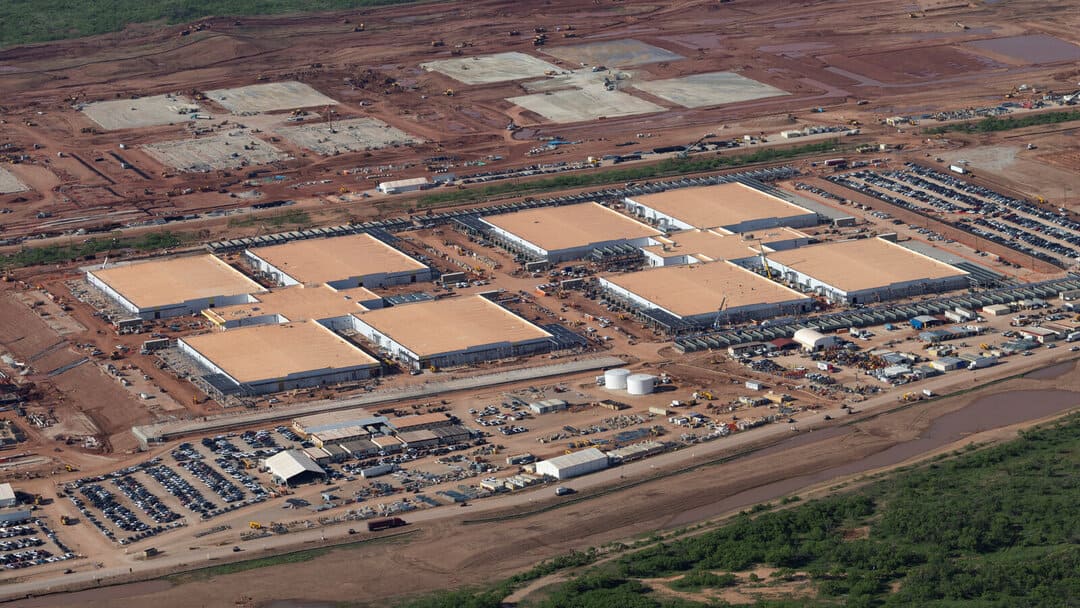
Data centers have always required capital, but the AI cycle is changing the amount and structure of that capital. A standard cloud facility is expensive. A gigawatt-scale AI campus with power commitments, cooling systems, transformers, backup generation, and advanced hardware pathways can become a financing event large enough for the bond market to notice.
Investors are responding because data center bonds can offer more yield than ordinary hyperscaler debt while still being tied to tenants with strong credit profiles. That is the appeal behind the current AI bond market flood: the assets look like infrastructure, but the growth story comes from artificial intelligence.
The risk is that investors may underestimate how different these projects are from routine real estate. A data center bond is not merely backed by walls and power lines. It depends on construction schedules, utility access, lease quality, cooling design, grid equipment, tenant demand, and the assumption that AI workloads keep expanding.
This is why credit has entered compute.
Why Higher Borrowing Costs Matter
AI data centers are being built during a moment when capital is not free. Higher interest rates can change the economics of even the strongest project.
If a hyperscaler funds a facility directly, the cost appears in capex. If a developer or special-purpose vehicle raises debt, the cost appears through financing terms, lease payments, and investor yield demands. Either way, expensive capital eventually becomes part of the price of AI compute.
That matters because AI infrastructure already faces inflation in chips, memory, land, labor, power equipment, and grid interconnection. Debt adds another layer. A project that looked attractive when financing was cheap may become harder to justify when lenders demand a higher return.
The Dallas Fed has already warned that AI-related data center financing needs are likely to be large and persistent, with Wall Street estimates centered around hundreds of billions of dollars in AI-related investment-grade issuance this year through a wider AI debt financing model.
That puts AI infrastructure inside the same macroeconomic conversation as rates, duration, credit supply, and investor appetite.
Construction Bonds Are Not Ordinary Tech Debt
The bond market likes predictability. AI data centers are trying to offer it through long leases, investment-grade tenants, and contracted demand. But construction-stage bonds still carry risks that a normal corporate bond does not.
A hyperscaler’s senior unsecured bond depends on the company’s overall credit. A data center construction bond depends more directly on a specific asset, project timeline, tenant commitment, and physical completion.
That distinction matters for readers watching the sector.
| Bond Factor | Why Investors Like It | Main Risk |
|---|---|---|
| Hyperscaler tenant | Strong credit profile supports financing | Tenant concentration can be high |
| Long-term lease | Predictable cash flow | AI demand must stay durable |
| Construction bond | Funds major campus buildout | Delays can raise costs |
| Secured structure | Investors may have asset protection | Asset value depends on power and tenant use |
| Higher yield | More income than ordinary tech debt | Higher yield signals higher project risk |
The table shows why AI data center bonds can be attractive and dangerous at the same time. They sit between corporate credit and infrastructure project finance.
Hut 8 Shows the Template Is Already Here
The construction-bond model is no longer theoretical. Hut 8 closed a $4.25 billion investment-grade senior secured notes offering for its Beacon Point data center project after earlier closing $3.25 billion for its River Bend project. The Beacon Point financing was described as the company’s second investment-grade data center construction bond through a single-project construction bond.
Those deals show how former crypto-linked infrastructure companies and data center operators are trying to become credible issuers of AI infrastructure credit. That is an important evolution. The market is not just financing Microsoft, Meta, Google, or Amazon directly. It is also financing the ecosystem that builds around them.
This creates opportunity for developers with powered land, credible tenants, and disciplined project structures. It also creates a new form of exposure for investors who may not fully understand data center operating risk.
The bond buyer is effectively betting that AI demand becomes rent.
The Weak Point Is Capacity That Arrives Late
Data center debt assumes the facility can be built, energized, leased, and operated within expected timelines. That is not guaranteed.
Transformers can be delayed. Utility upgrades can stretch. Cooling systems can require redesign. Local opposition can slow permitting. Construction inflation can widen budgets. Tenants may change hardware requirements before a project is finished.
AI makes this harder because the hardware cycle moves quickly. A facility designed for one rack density or cooling profile may need changes if next-generation accelerators demand more power per rack.
That means bond investors must understand not only credit ratings, but also data center engineering. The most important question may be whether the physical design will still fit market demand when the doors open.
The Next Signal Is Pricing Discipline
The next pressure point is whether investors keep accepting AI data center bonds at modest yield premiums. If spreads widen, developers may face higher costs and slower pipelines. If demand remains strong, the boom can keep moving with outside capital.
Watch construction-bond ratings, lease lengths, tenant concentration, debt-service coverage, and whether projects rely on one hyperscaler or diversified demand. Also watch whether more bonds are tied to power-heavy sites that still need grid upgrades.
AI data center bonds are not a side story. They are becoming one of the main ways the AI buildout gets funded.
That makes the credit market a new gatekeeper. GPUs can be ordered, land can be acquired, and models can be launched, but the next generation of AI infrastructure still needs financing that can survive delays, rates, and public scrutiny. AI data center bonds will decide which projects are real infrastructure and which ones remain expensive ambition.