The rapid growth of artificial intelligence is transforming the global technology landscape, but it is also creating new challenges related to infrastructure and energy demand. A recent development involving xAI highlights this tension between technological expansion and environmental concerns.
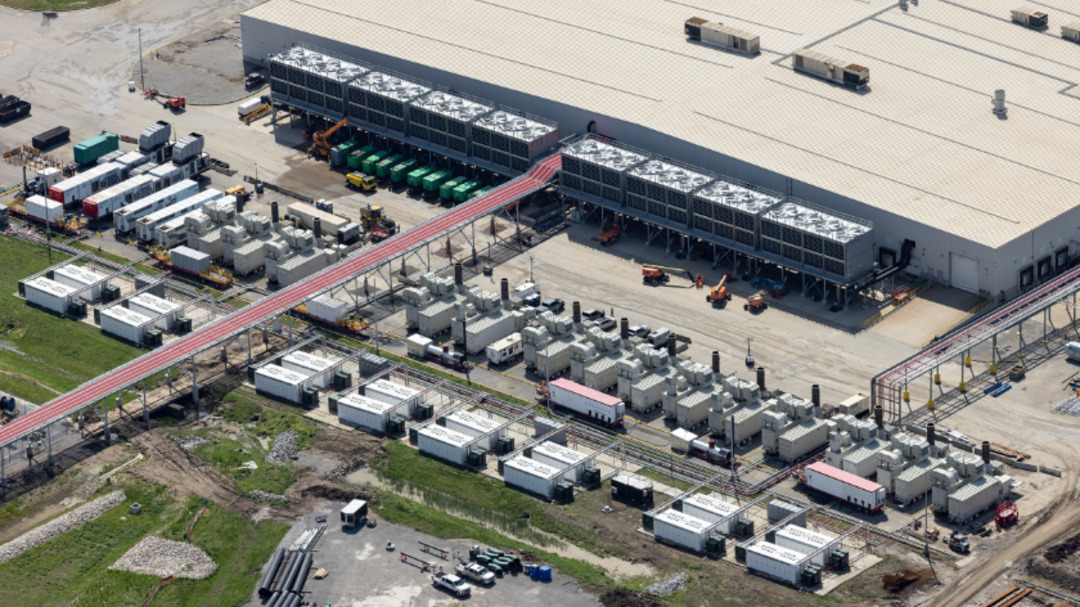
Regulators recently approved a permit allowing xAI to operate a large gas-powered energy system designed to supply electricity to its AI data center complex in Southaven. The project is intended to support the massive computing power required to train advanced artificial intelligence models.
While the decision enables the company to continue expanding its infrastructure, it has also triggered criticism from local residents, environmental groups, and community organizations concerned about the environmental impact of the facility.
The Expanding Energy Needs of Artificial Intelligence
Artificial intelligence development relies on enormous computing power. Training modern AI systems requires thousands of high-performance processors working simultaneously to analyze large datasets and build complex machine-learning models.
These processors are typically housed in large facilities known as data centers. A single AI data center can consume vast amounts of electricity, sometimes comparable to the energy usage of small towns.
For companies such as xAI, ensuring a reliable energy supply is essential for maintaining continuous operations. Interruptions in power could slow AI training processes and reduce computing efficiency.
Because of these requirements, technology companies are increasingly exploring new energy solutions, including dedicated power plants built specifically to serve data centers.
Approval of the Gas Turbine Power System
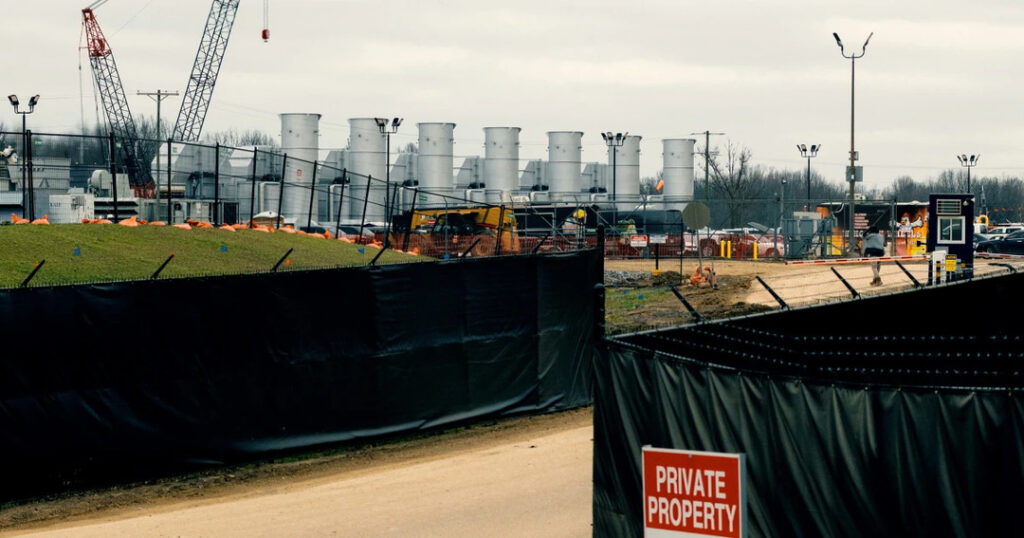
The permit granted to xAI allows the company to operate dozens of methane-gas turbines designed to generate electricity for its AI facility. These turbines form a makeshift power plant that can produce large amounts of energy on site.
By generating electricity directly at the data center location, the company aims to avoid potential limitations associated with local power grids. Many electrical grids were not originally designed to handle the immense demand created by modern AI infrastructure.
Officials supporting the project argue that building dedicated energy systems can help meet the rising demand for computing resources without placing additional strain on regional utilities.
For the company, the new permit represents an important step in scaling its AI operations.
Community Concerns and Environmental Criticism
Despite regulatory approval, the project has faced strong opposition from several groups. Local residents and environmental advocates have raised concerns about the emissions produced by gas-powered turbines.
Burning methane or natural gas releases pollutants such as nitrogen oxides and carbon dioxide. Critics argue that the large number of turbines operating near residential areas could contribute to air pollution and increase health risks.
Organizations including the NAACP have expressed concern about potential environmental impacts on surrounding communities.
Opponents also argue that the decision reflects a broader issue in which large technology projects move forward despite community objections. Public hearings related to the permit reportedly included testimony from residents who worried about long-term environmental consequences.
The debate illustrates the challenges governments face when balancing economic development with environmental protection.
Why AI Data Centers Require Massive Power
The controversy surrounding the Southaven facility underscores a larger trend within the technology industry. Artificial intelligence systems have become dramatically more complex over the past decade.
Training advanced models often involves processing billions of parameters and enormous datasets. These processes require specialized computer chips that operate continuously for extended periods.
Many of these chips are manufactured by companies such as NVIDIA, whose graphics processing units are widely used in AI development.
Running thousands of these processors simultaneously demands significant electricity and cooling infrastructure. Data centers must maintain stable power levels and temperature control to ensure reliable performance.
Because of these technical requirements, energy supply has become one of the most critical factors in AI infrastructure planning.
The Broader AI Infrastructure Race
The expansion of the xAI facility reflects a broader global competition to build advanced AI infrastructure.
Technology companies around the world are investing billions of dollars to construct new data centers capable of supporting next-generation artificial intelligence systems.
Governments are also becoming increasingly involved in this effort. Some countries view AI computing capacity as a strategic resource that could influence economic and technological leadership.
As a result, the race to build larger and more powerful data centers has intensified across multiple regions.
However, the energy demands associated with these facilities are creating new debates about sustainability and environmental responsibility.
Economic Benefits and Local Development
Supporters of the xAI project emphasize the economic benefits associated with large technology investments. Data center developments often bring new jobs, infrastructure improvements, and increased tax revenue to local communities.
Construction projects can create employment opportunities for engineers, technicians, and contractors. Once operational, data centers typically require ongoing staff to manage maintenance, security, and technical operations.
Local officials sometimes support these projects because they can attract additional investment from other technology companies.
For cities such as Southaven, becoming a hub for advanced technology infrastructure could contribute to long-term economic growth.
Balancing Innovation and Sustainability
The debate surrounding the xAI power plant highlights a growing challenge faced by policymakers around the world. On one hand, artificial intelligence represents one of the most significant technological breakthroughs of the modern era.
AI systems have the potential to transform industries ranging from healthcare and transportation to education and finance. Companies developing these technologies require powerful computing infrastructure to support innovation.
On the other hand, the environmental impact of large energy-intensive facilities cannot be ignored. Governments must consider how to regulate infrastructure development while protecting public health and environmental standards.
Some experts argue that future AI data centers should rely more heavily on renewable energy sources such as solar, wind, or nuclear power.
A Glimpse Into the Future of AI Infrastructure
The approval of the power plant permit for the xAI data center demonstrates how rapidly artificial intelligence infrastructure is evolving.
As companies race to build more powerful computing systems, the demand for electricity will likely continue to grow. This trend may lead to further investments in dedicated energy facilities designed specifically for data centers.
At the same time, public debates about sustainability and environmental responsibility are expected to intensify. Communities and governments will play an important role in shaping how these projects move forward.
For now, the Southaven facility represents one of the most visible examples of the intersection between artificial intelligence innovation and energy policy.
The outcome of this debate could influence how future AI infrastructure projects are planned and regulated around the world.