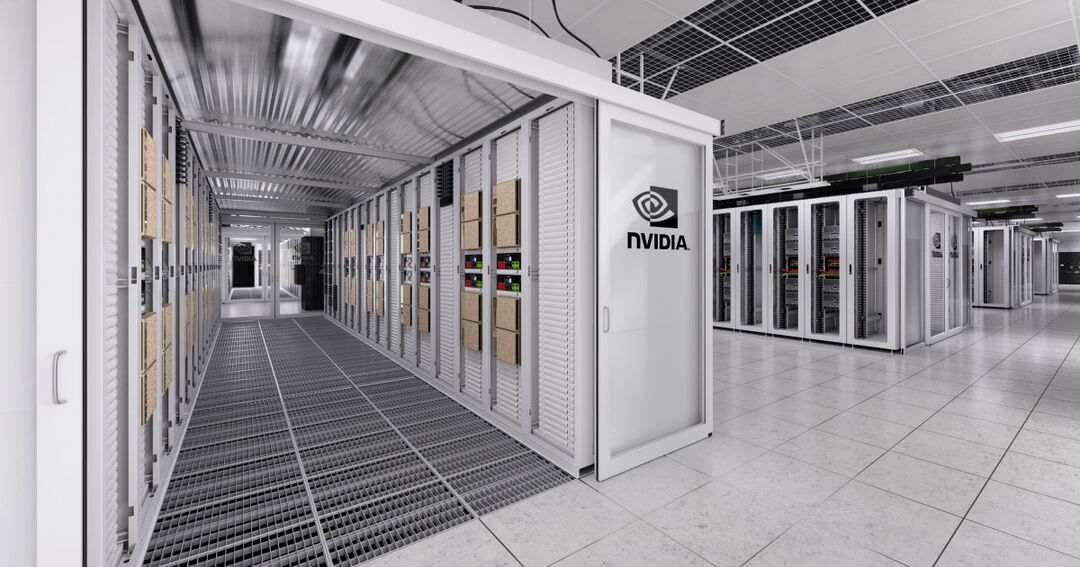
The global race to dominate artificial intelligence has entered a new and decisive phase one defined not just by software innovation, but by the rapid expansion of AI hardware infrastructure. Companies like Nvidia, Meta, and other technology giants are investing billions of dollars into acquiring millions of high-performance AI chips. This surge in demand is reshaping the semiconductor industry, redefining data centers, and accelerating the pace of AI development worldwide.
What was once a niche segment of computing has become the backbone of modern innovation. From generative AI models to real-time data processing, the need for powerful hardware has never been greater. As a result, a full-scale “AI hardware arms race” is underway.
Why AI Chips Have Become the New Oil
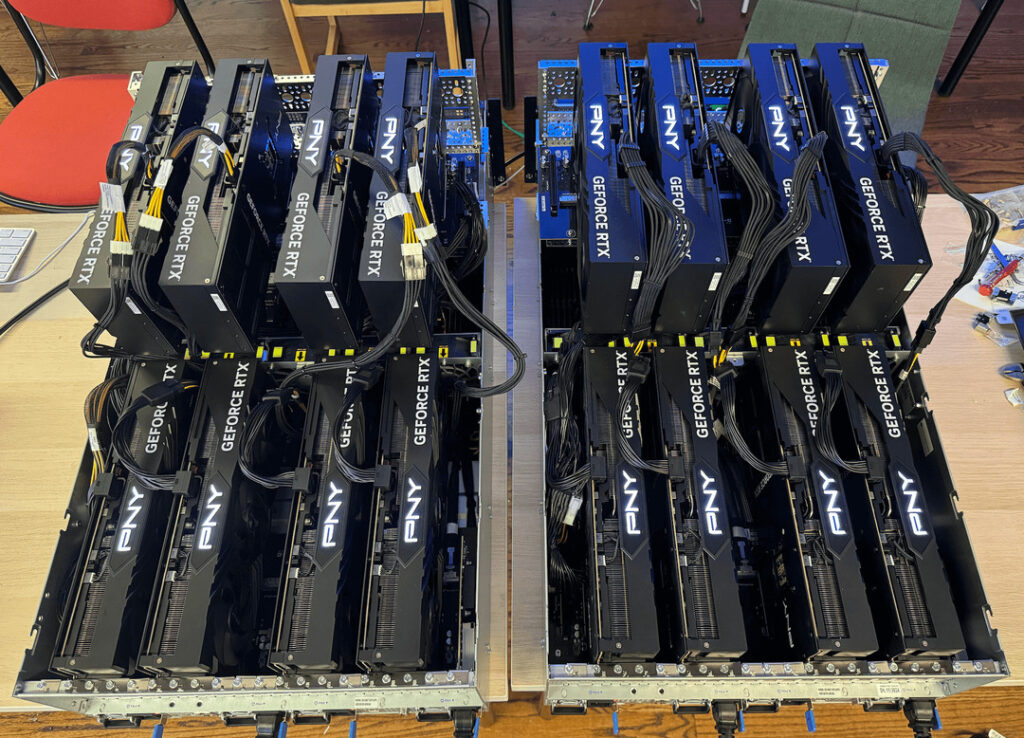
Artificial intelligence models, particularly large-scale systems, require immense computational power to train and operate. These workloads depend heavily on specialized processors such as GPUs (graphics processing units), which are capable of handling parallel tasks far more efficiently than traditional CPUs.
Companies like Nvidia have positioned themselves at the center of this transformation by developing cutting-edge GPUs specifically optimized for AI workloads. These chips are not just faster they are purpose-built for deep learning, enabling breakthroughs in areas such as natural language processing, image recognition, and autonomous systems.
The analogy often used in the industry is that AI chips are the “new oil.” Just as energy resources powered the industrial age, advanced semiconductors are fueling the digital age. Without them, even the most sophisticated AI algorithms cannot function effectively.
Meta’s Massive Investment in AI Infrastructure

One of the most notable developments in this space is the aggressive expansion of AI infrastructure by Meta. The company has committed to acquiring vast quantities of AI chips as part of its long-term strategy to lead in artificial intelligence.
Meta’s investments are driven by its ambitions in areas such as generative AI, virtual reality, and social platforms powered by intelligent algorithms. Training large AI models requires enormous computational resources, often involving thousands of GPUs working simultaneously across massive data centers.
This level of investment reflects a broader trend among tech giants: controlling AI capabilities increasingly depends on controlling the underlying hardware. By securing access to large volumes of chips, companies can scale their operations more effectively and maintain a competitive edge.
Nvidia’s Dominance in the AI Chip Market
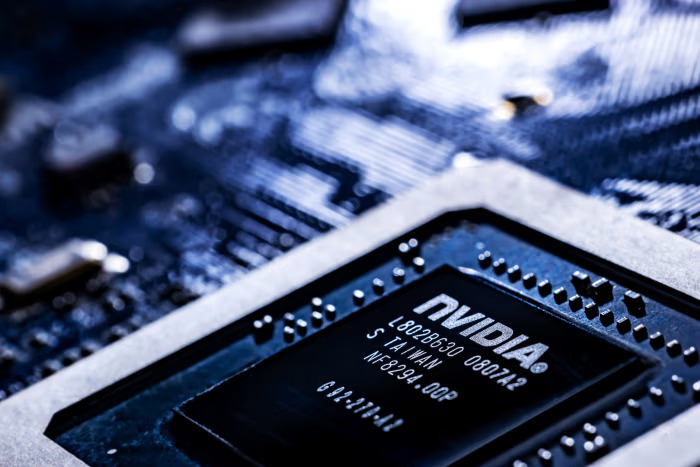
At the center of the AI hardware boom is Nvidia, whose GPUs have become the industry standard for AI training and inference. The company’s success is rooted in years of investment in parallel computing technology, which has proven ideally suited for AI workloads.
Nvidia’s latest architectures, including next-generation platforms designed for data centers, offer significant improvements in performance and efficiency. These advancements allow companies to train models faster, process more data, and reduce operational costs over time.
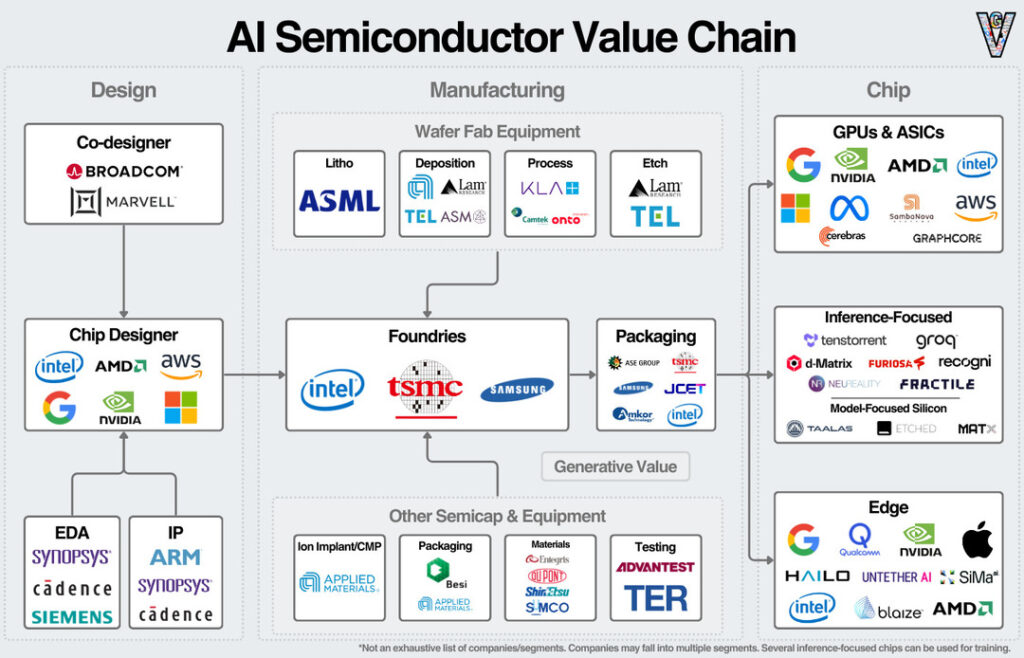
Beyond GPUs, Nvidia is expanding into a full-stack approach that includes CPUs, networking solutions, and software ecosystems. This integrated strategy positions the company as more than just a chip manufacturer it is becoming a comprehensive provider of AI infrastructure.
The Shift From Chips to Full AI Ecosystems
The competition is no longer limited to producing faster chips. Instead, the focus has shifted toward building complete AI ecosystems that combine processing power, memory, storage, and networking into unified systems.
Modern AI workloads require seamless communication between thousands of components. High-speed interconnects, advanced memory technologies, and optimized software frameworks all play critical roles in ensuring performance and scalability.
This evolution is transforming data centers into what can be described as AI supercomputers. These facilities are designed specifically to handle the demands of machine learning, with infrastructure tailored to maximize efficiency and throughput.
Why Big Tech Is Spending Billions
The scale of investment in AI hardware may seem staggering, but it is driven by clear strategic priorities. Companies recognize that AI will be a defining technology of the coming decades, influencing everything from search engines and social media to healthcare and finance.
Owning the infrastructure needed to develop and deploy AI provides several advantages. It allows companies to innovate faster, reduce reliance on third-party providers, and maintain greater control over their products and services.
Moreover, the competitive landscape is intensifying. As more organizations enter the AI space, securing access to hardware resources becomes a critical factor in determining success. Those who invest early and aggressively are better positioned to lead.
Challenges: Supply Constraints and Rising Costs
Despite the rapid growth of AI hardware, the industry faces several challenges. One of the most significant is supply constraints. The demand for advanced chips has outpaced production capacity, leading to shortages and increased prices.
Manufacturing high-performance semiconductors is a complex and resource-intensive process. It requires specialized facilities, advanced materials, and precise engineering. As a result, scaling production to meet demand is not a simple task.
These constraints have led to rising costs, making AI infrastructure investments even more substantial. Smaller companies may struggle to compete, potentially widening the gap between major tech players and emerging startups.
The Global Impact of the AI Hardware Race
The implications of this hardware race extend far beyond the technology sector. Governments, research institutions, and industries worldwide are closely watching these developments, recognizing the strategic importance of AI capabilities.
Countries are investing in domestic semiconductor production and AI research to remain competitive. At the same time, collaborations and partnerships are emerging as organizations seek to pool resources and expertise.
This global dimension adds another layer of complexity to the competition. The race for AI dominance is not just about corporate rivalry it is also about national interests and economic leadership.
The Future Will Be Built on AI Hardware
The rapid escalation of investment in AI chips signals a fundamental shift in how technology is developed and deployed. Companies like Nvidia and Meta are leading the charge, recognizing that the future of artificial intelligence depends as much on hardware as it does on software.
As the AI hardware arms race continues, the stakes will only grow higher. Innovation, competition, and collaboration will shape the next phase of this evolution, determining who leads in the age of intelligent machines.
For businesses, developers, and consumers alike, one thing is clear: the infrastructure being built today will define the capabilities of tomorrow’s AI systems. And in this race, access to powerful hardware may prove to be the ultimate advantage.