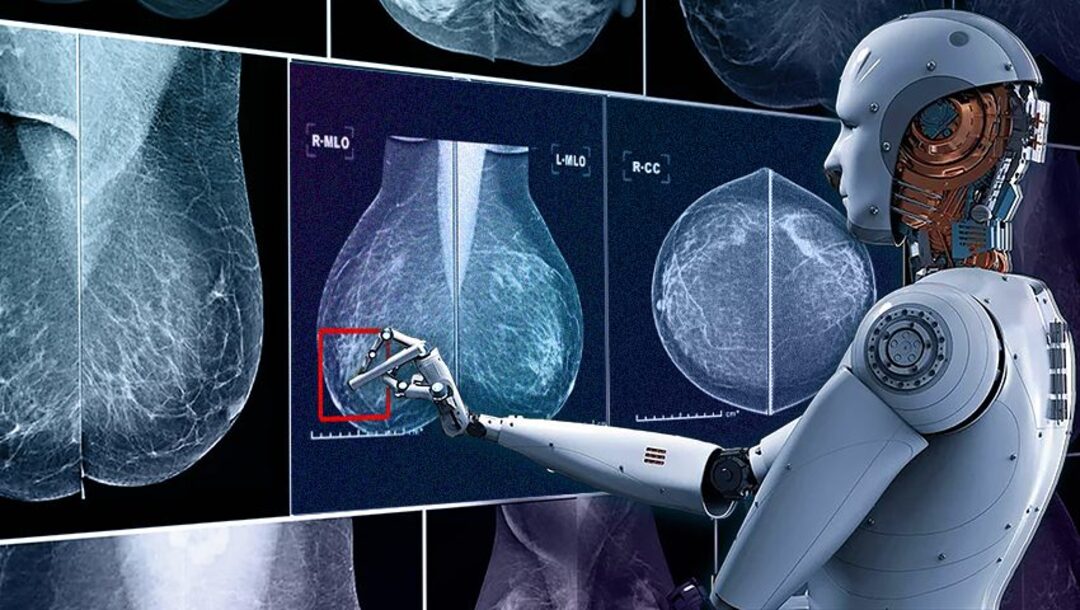
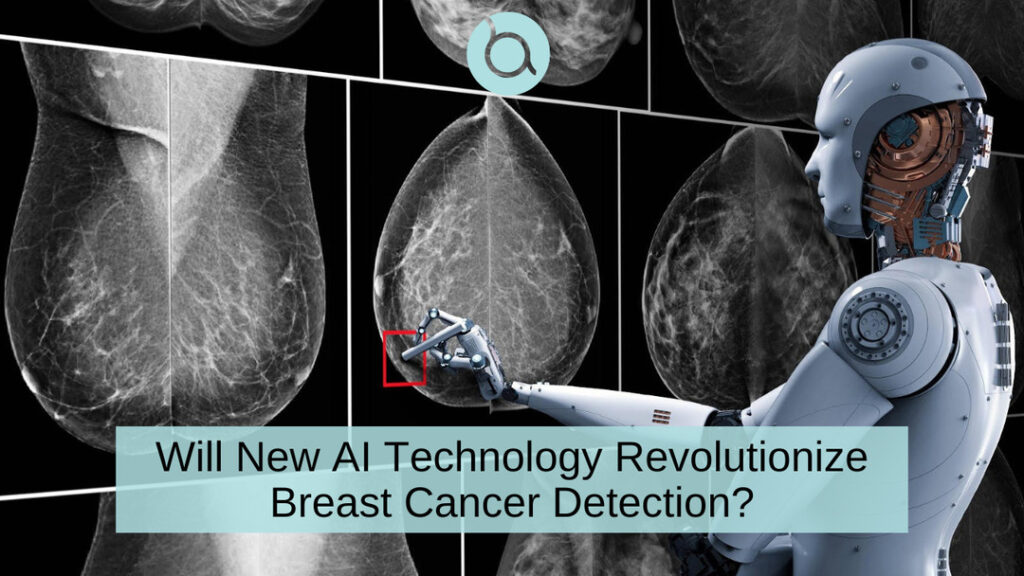
Artificial intelligence is rapidly transforming healthcare, and one of the most promising areas of innovation is cancer detection. Researchers have recently developed new AI systems capable of identifying breast cancer risk earlier than conventional screening methods. By analyzing mammogram images with advanced algorithms, these tools can detect patterns and warning signs that may be difficult for human specialists to identify.
Breast cancer remains one of the most common cancers affecting women worldwide. Early detection plays a critical role in improving survival rates and reducing the severity of treatment. The integration of AI into diagnostic medicine has therefore generated significant interest among healthcare professionals seeking more effective screening technologies.
In recent studies, researchers found that AI-driven analysis can highlight subtle changes in breast tissue long before a tumor becomes visible through traditional imaging techniques. These developments suggest that artificial intelligence could soon become a standard part of breast cancer screening programs.
The Growing Role of Artificial Intelligence in Medical Diagnostics
Artificial intelligence has gained widespread attention for its ability to process vast amounts of data quickly and identify patterns within complex datasets. In the field of medicine, this capability is particularly valuable when analyzing medical images such as X-rays, CT scans, and mammograms.
Radiologists traditionally review mammogram images manually, searching for abnormal shapes or densities that might indicate cancer. However, interpreting these images can be challenging, even for experienced specialists. Subtle differences in tissue density or minor irregularities may be overlooked, especially when screening thousands of images each year.
AI systems use machine learning algorithms trained on large collections of medical images. These algorithms learn to recognize patterns associated with cancerous and non-cancerous tissue. Over time, the system improves its ability to detect abnormalities and estimate the likelihood that a patient may develop breast cancer.
By assisting radiologists with image analysis, AI technology can enhance diagnostic accuracy while reducing the risk of missed diagnoses.
Understanding How AI Analyzes Mammogram Images
The latest generation of AI tools uses deep learning techniques to analyze mammogram images in extraordinary detail. These systems evaluate multiple aspects of the image simultaneously, including tissue density, shape patterns, and microscopic variations in structure.
Unlike traditional screening methods that focus mainly on visible tumors, AI models can examine subtle indicators that may suggest an increased risk of cancer. These indicators may appear years before a tumor becomes detectable.
For example, slight changes in tissue density or small clusters of abnormal cells may signal the early stages of cancer development. AI algorithms are capable of recognizing these early patterns because they have been trained on thousands or even millions of historical medical images.
When a mammogram is processed through an AI system, the software generates a risk assessment that highlights areas requiring closer examination. Radiologists can then review these results and determine whether additional testing or monitoring is necessary.
This collaboration between human expertise and machine analysis is often referred to as augmented intelligence, where technology supports rather than replaces medical professionals.
Why Early Detection Is Critical for Breast Cancer Treatment
Breast cancer outcomes depend heavily on how early the disease is discovered. When detected at an early stage, treatment options are often less invasive and survival rates increase significantly.
Medical research consistently shows that early detection improves the chances of successful treatment. Patients diagnosed during the earliest stages of breast cancer typically require less aggressive therapies and experience better long-term outcomes.
However, traditional screening programs sometimes fail to identify early warning signs, particularly in patients with dense breast tissue. Dense tissue can obscure small tumors on mammograms, making them difficult to detect.
AI technology helps address this challenge by analyzing tissue patterns beyond what the human eye can easily recognize. The ability to identify risk factors earlier gives doctors more time to monitor patients and begin treatment before the disease progresses.
Clinical Studies Demonstrating AI’s Potential
Several clinical studies have evaluated the effectiveness of AI-assisted breast cancer detection. Researchers have compared the performance of AI algorithms with that of experienced radiologists, examining how accurately each approach identifies signs of cancer.
Many of these studies suggest that AI tools can match or even surpass human accuracy when used as part of a combined diagnostic process. In some cases, AI systems detected potential cancer risks years before traditional screening methods.
These results highlight the potential of artificial intelligence to transform breast cancer screening. Rather than relying solely on periodic mammograms, doctors may eventually use AI-powered risk prediction to tailor screening schedules for individual patients.
Such personalized screening programs could improve detection rates while reducing unnecessary procedures.
Integrating AI Into Hospital Screening Programs
Although AI technology shows tremendous promise, integrating it into healthcare systems requires careful planning and regulatory approval. Hospitals must ensure that AI tools meet strict safety standards and function reliably in real clinical environments.
Medical professionals also need training to interpret AI-generated insights effectively. Rather than replacing radiologists, AI systems are designed to assist them by highlighting areas that may require closer examination.
Many healthcare organizations are already testing AI-assisted screening programs. These pilot programs aim to evaluate how the technology performs in everyday clinical settings and how it affects patient outcomes.
As the technology continues to improve, experts believe AI-assisted diagnostics could become a standard feature of modern healthcare.
Challenges and Ethical Considerations
Despite its potential benefits, the use of artificial intelligence in healthcare also raises important ethical and practical questions. Data privacy is one major concern, as AI systems rely on large datasets of medical images and patient records for training.
Healthcare providers must ensure that patient information remains secure and that AI tools comply with strict privacy regulations.
Another challenge involves algorithm transparency. Medical professionals must understand how AI systems generate their predictions in order to trust and interpret the results correctly.
Researchers are therefore working to develop AI models that not only produce accurate predictions but also provide explanations for their findings.
Maintaining transparency and accountability will be essential as AI becomes more deeply integrated into healthcare decision-making.
The Future of AI in Cancer Detection
The use of artificial intelligence in breast cancer detection represents only the beginning of a broader transformation in medical diagnostics. Researchers are already exploring how similar technologies can assist in identifying other forms of cancer, including lung, prostate, and skin cancer.
Advances in machine learning, imaging technology, and medical data analysis will likely lead to even more sophisticated diagnostic tools. Future AI systems may analyze genetic information, lifestyle data, and medical histories alongside imaging results to produce highly personalized risk assessments.
Such innovations could shift healthcare from a reactive model treating disease after symptoms appear to a preventive model focused on identifying risks before illness develops.
If these technologies continue to evolve as expected, artificial intelligence may become one of the most powerful tools available for combating cancer.
Final Thoughts
The development of AI systems capable of detecting breast cancer risk earlier than traditional screening methods represents a major milestone in medical technology. By analyzing mammogram images with unprecedented detail, artificial intelligence can help identify warning signs that might otherwise go unnoticed.
While challenges remain in integrating AI into everyday clinical practice, the technology has the potential to significantly improve early diagnosis and patient outcomes. As research continues and healthcare providers adopt these tools, AI-assisted screening may soon become an essential component of modern cancer prevention strategies.
Ultimately, the combination of human expertise and advanced machine intelligence offers a powerful approach to one of the most important challenges in medicine: detecting cancer early enough to save lives.