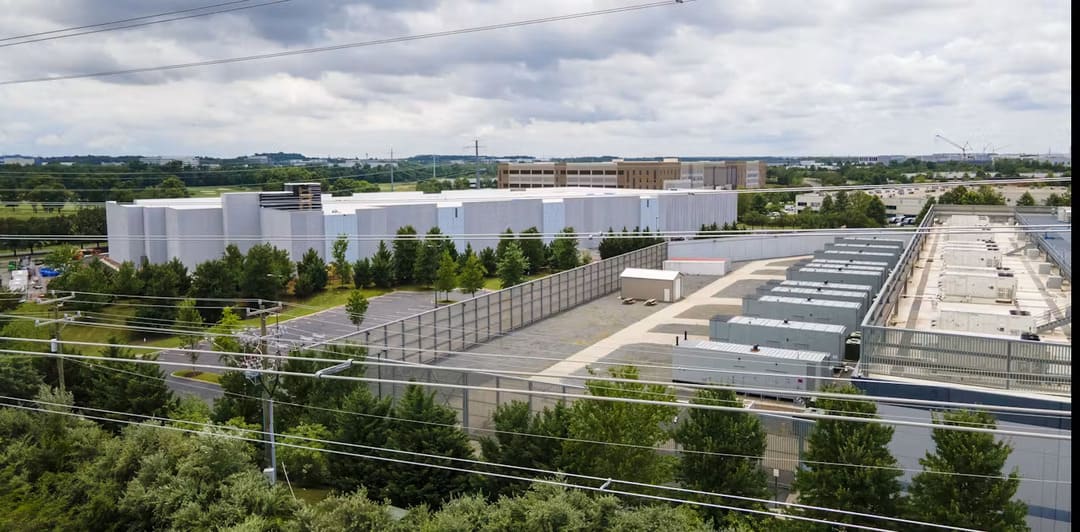
AI data center power deals are changing the role of energy companies in the cloud economy. Chevron’s agreement tied to Microsoft’s West Texas data center campus shows that oil and gas firms are no longer just selling fuel into the background. They are moving closer to the core infrastructure layer that makes AI expansion possible.
That shift matters because the AI boom has pushed the data center debate beyond chips, servers, and cooling. It now runs through power generation, land, pipelines, grid congestion, and long-term contracts, the same pressures already visible in AI data center power risk.
AI Data Center Power Deals Are Rewriting Energy Strategy
Chevron signed a 20-year power agreement with Microsoft for a West Texas data center, with Project Kilby expected to deliver approximately 2.67 gigawatts over time. The company said the project will use natural gas-fired generation and support Microsoft’s data center campus near Pecos through a dedicated West Texas power agreement.
That is not a routine utility contract. It is a sign that AI campuses are becoming large enough to justify dedicated energy projects built around their needs.
The cloud business used to be explained through compute capacity. Now it increasingly requires power capacity. Companies building AI services need predictable electricity, fast timelines, and enough scale to support dense GPU clusters that may operate around the clock.
Chevron sees an opening. Reuters reported that the company is pursuing more data center power opportunities after the Microsoft deal, with possible regions including West Texas, the Midwest, the Gulf Coast, the Rocky Mountain region, and Utah through broader data center power ambitions.
The message is plain: energy is becoming AI infrastructure.
Why Oil Giants See a New Market
Oil and gas companies understand long-lived assets, project finance, turbines, fuel supply, industrial permitting, and large-scale energy logistics. Those capabilities map cleanly onto the next wave of AI campuses.
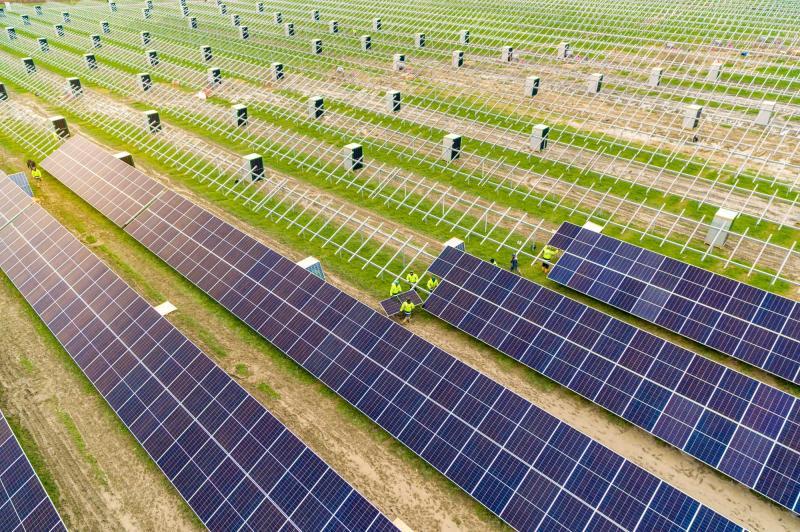
AI data centers need electricity that is available when workloads require it. Renewable energy remains central to many corporate climate strategies, but intermittent generation alone does not always match the 24/7 demand profile of large AI facilities. That creates room for gas-fired generation, batteries, nuclear discussions, grid upgrades, and hybrid energy structures.
For Chevron, a dedicated data center power project can create a more predictable revenue stream than commodity markets. Instead of selling into volatile oil and gas cycles alone, the company can anchor long-term infrastructure around a major technology customer.
For Microsoft, the appeal is reliability and scale. If grid queues are slow and power demand is rising, dedicated generation can help reduce uncertainty.
The tradeoff is reputation. Big Tech has spent years promoting clean energy commitments. Large gas-fired power deals will face scrutiny, especially if they are framed as the price of AI growth.
Project Kilby Shows the Size of the Demand Shock
Project Kilby’s planned 2.67 GW scale is the headline figure because it makes the AI energy problem visible. A single AI-linked power project can now be discussed in gigawatts, not just megawatts.
That changes the politics of data center development. A large facility may promise investment and tax revenue, but it can also raise questions about emissions, water, land use, grid effects, and whether local communities receive enough long-term benefit.
| Deal Element | What It Shows | Strategic Meaning |
|---|---|---|
| 20-year agreement | Long-term power certainty | AI campuses need durable energy contracts |
| 2.67 GW target | Massive load requirement | Data centers are becoming industrial-scale users |
| Co-located generation | Power built near demand | Grid queues may be too slow for AI timelines |
| Natural gas supply | Reliable dispatchable power | Climate scrutiny will intensify |
| Tech-energy partnership | New buyer-supplier model | Oil firms may become AI infrastructure partners |
The table explains why this deal matters beyond Microsoft and Chevron. It offers a template for how energy majors might enter the AI infrastructure chain.
The Cloud Is Becoming More Physical
Cloud computing has always depended on physical systems. But AI makes that dependency harder to hide because the loads are larger, hotter, and more power-hungry.
A conventional software company can scale by adding cloud capacity. An AI platform has to ask whether enough power exists, whether transformers are available, whether cooling works, whether land is permitted, and whether the site can connect on time.
That is why oil giants are becoming relevant to the cloud business. They can help solve one of the oldest problems in the stack: reliable energy.
This does not mean every AI data center will run on gas. It means the energy mix will become more complicated. Some projects will use renewable power purchase agreements. Others will explore nuclear, geothermal, batteries, or hydrogen. Gas-fired projects may grow where speed, location, and reliability dominate the decision.
The result is a more industrial AI economy. Software companies are being pulled into energy planning, while energy companies are being pulled into digital infrastructure.
The Risk Is Locking AI Growth to Fossil Power
The main criticism is obvious. If AI demand pushes technology companies toward large gas-fired generation, the sector’s climate narrative becomes harder to defend.
Supporters will argue that gas can deliver reliable power faster than some alternatives and may reduce pressure on congested grids. Critics will argue that AI should not become a reason to extend fossil fuel infrastructure at massive scale.
Both arguments will shape permitting and public trust. A project may be technically sound and still politically difficult if communities see it as a private power plant for cloud profits.
The next question is whether companies can pair dedicated generation with carbon capture, water-conscious cooling, renewable integration, or eventual fuel flexibility. Those details will decide whether the model is seen as practical infrastructure or climate backsliding.
The Next Wave Will Be About Repeatability
Chevron’s real test is whether Project Kilby becomes a one-off or a repeatable model. If other tech companies sign similar deals with oil and gas majors, the AI data center power market could become a new business line for energy firms.
Watch for three signals. First, whether final investment decisions arrive on schedule. Second, whether other hyperscalers pursue dedicated generation deals. Third, whether regulators and communities push back against private power arrangements tied to AI campuses.
AI data center power deals are reshaping the boundary between cloud computing and energy production. The companies that win the AI race may not be the ones with only the best models. They may be the ones that secure reliable power earliest, structure it cleanly, and defend it publicly.
The cloud is no longer weightless. It is becoming a grid-scale industrial customer, and oil giants have noticed.