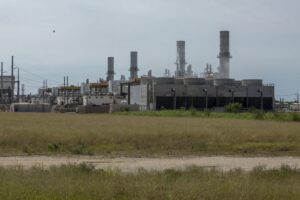
Artificial intelligence is transforming industries across the globe, from healthcare and finance to transportation and entertainment. However, behind every powerful AI model lies an enormous digital infrastructure powered by vast computing facilities known as data centers. As the demand for artificial intelligence continues to grow, countries are now focusing on a critical challenge: securing enough energy to power the next generation of AI data centers.
Modern AI systems require enormous computational resources to train and operate advanced models. This has led governments and technology companies to explore new energy strategies capable of supporting massive computing clusters. Nations are increasingly investing in nuclear energy, renewable power, and large-scale grid infrastructure to sustain the rapidly expanding digital economy.
The intersection of artificial intelligence and energy policy is quickly becoming one of the most important technological and economic developments of the decade.
The Growing Energy Demands of Artificial Intelligence
Artificial intelligence workloads require far more computing power than traditional digital applications. Training advanced machine learning models often involves thousands of high-performance processors running continuously for extended periods.
Many of these processors are specialized AI chips developed by companies such as NVIDIA, whose graphics processing units are widely used in modern AI systems. These chips deliver remarkable performance but also consume significant amounts of electricity when deployed in large clusters.
As AI models grow more complex, the computing infrastructure required to support them continues to expand. Large technology companies now operate enormous data centers containing tens of thousands of servers, each requiring reliable power and advanced cooling systems.
This surge in demand has placed unprecedented pressure on energy grids, prompting governments and technology leaders to rethink how electricity is generated and distributed.
Why Data Centers Are Becoming Energy Giants
Data centers have always consumed large amounts of electricity, but AI has significantly increased those requirements. Traditional cloud services primarily handle storage, networking, and everyday computing tasks. AI workloads, on the other hand, require intense computational processing that runs continuously.
The rise of generative AI and large language models has accelerated this trend. Companies developing these technologies rely on massive server farms to process vast datasets and perform complex calculations.
Major cloud providers including Microsoft, Google, and Amazon are expanding their data-center networks worldwide to support AI applications.
These facilities can consume as much electricity as small cities. As a result, building sustainable and scalable power sources has become essential to ensuring the continued growth of artificial intelligence technologies.
Nuclear Energy Emerges as a Strategic Solution
One of the most significant developments in the race to power AI infrastructure is the renewed interest in nuclear energy. Several countries are exploring nuclear power as a stable and reliable energy source capable of supporting massive computing facilities.
Nuclear plants can produce consistent electricity without the fluctuations that often affect renewable energy sources. This makes them particularly attractive for data centers that require uninterrupted power to operate efficiently.
For example, officials in France have discussed leveraging the nation’s strong nuclear energy sector to support future AI data centers. With an established network of nuclear power plants, France could provide stable energy supplies for computing facilities designed to support artificial intelligence development.
This strategy highlights how energy policy is becoming closely linked to technological leadership in the AI era.
Renewable Energy and Sustainable Data Infrastructure
While nuclear energy offers reliability, many technology companies are also investing heavily in renewable energy sources such as solar, wind, and hydroelectric power. Sustainability has become an important consideration as the environmental impact of large data centers grows.
Companies like Google and Microsoft have announced long-term commitments to operate carbon-neutral or carbon-negative infrastructure.
Renewable energy projects are increasingly being integrated directly into data-center operations. In some cases, companies build dedicated solar farms or wind facilities to power their computing campuses.
However, renewable energy can sometimes produce inconsistent power output depending on weather conditions. To address this challenge, companies are investing in advanced battery storage systems and hybrid energy solutions that combine multiple power sources.
These efforts aim to create a more sustainable and resilient energy foundation for the rapidly expanding AI industry.
Strategic Importance of National AI Infrastructure
Beyond energy concerns, the construction of AI data centers has become a matter of national competitiveness. Countries recognize that access to advanced computing infrastructure can influence technological leadership, economic growth, and global influence.
Governments are therefore encouraging domestic data-center development to maintain control over critical digital infrastructure. Building AI computing hubs within national borders helps ensure data security while supporting local innovation.
In the United States, major technology companies continue expanding their computing networks, supported by investments in power infrastructure and semiconductor development. Meanwhile, European and Asian countries are also accelerating their efforts to build domestic AI facilities.
This global competition underscores how energy, computing power, and technological leadership are increasingly interconnected.
Infrastructure Challenges and Grid Modernization
Supporting the rapid growth of AI infrastructure requires more than just new power plants. Energy grids must also be modernized to handle the increased demand from large computing facilities.
Data centers often require extremely stable electricity supplies. Even minor disruptions can affect thousands of servers and interrupt critical services. As a result, governments and utilities are investing in grid upgrades designed to improve reliability and capacity.
These improvements include stronger transmission networks, smarter grid management systems, and advanced cooling technologies that reduce energy consumption in computing facilities.
In many regions, planners are also exploring the possibility of building data centers near major energy sources such as hydroelectric dams or nuclear plants. This strategy reduces transmission losses and ensures a stable power supply for high-performance computing clusters.
The Future of AI and Energy Collaboration
As artificial intelligence continues to evolve, the relationship between computing infrastructure and energy production will become even more important. Future AI systems are expected to require even greater processing power, which will likely increase electricity demand further.
Researchers and engineers are already exploring new ways to make computing more energy-efficient. Advances in semiconductor design, improved cooling systems, and more efficient algorithms could help reduce the energy requirements of AI workloads.
At the same time, innovations in clean energy technology may provide more sustainable ways to power digital infrastructure. The development of next-generation nuclear reactors, large-scale battery storage, and more efficient renewable energy systems could play key roles in supporting future data centers.
A New Era of Technology and Energy Integration
The rapid expansion of artificial intelligence has created a new global challenge: powering the infrastructure that makes these technologies possible. As AI systems grow larger and more sophisticated, the energy required to support them continues to rise.
Countries and technology companies are responding by investing in diverse energy strategies, ranging from nuclear power to renewable energy projects and modernized electrical grids.
This convergence of energy and digital technology represents a significant shift in how nations approach technological development. The ability to generate and manage large amounts of electricity may soon become just as important as the ability to design advanced software and hardware.
Ultimately, the race to power AI data centers is not only about energy it is about shaping the future of the digital economy and ensuring that artificial intelligence can continue to drive innovation across industries worldwide.