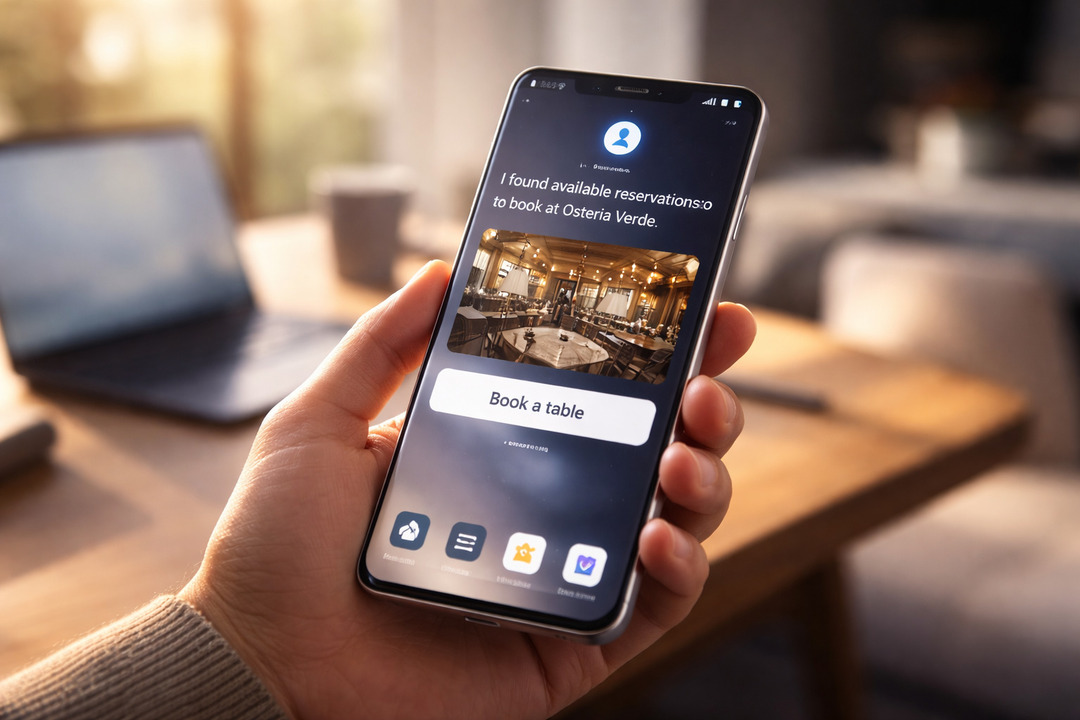
The race to dominate artificial intelligence in consumer technology has entered a new phase. With the unveiling of its latest Galaxy S26 series, Samsung is no longer just adding AI features it is redefining how users interact with their devices. Instead of overwhelming users with visible tools and complex interfaces, the company is focusing on what it calls a more intuitive, seamless experience one where artificial intelligence works quietly in the background.
This shift represents a broader transformation across the tech industry. AI is no longer just about answering questions or generating content. It is evolving into something far more powerful: a system that can anticipate needs, execute tasks, and simplify daily life without requiring constant user input.
A Shift From Features to Experiences
For years, smartphone manufacturers competed by adding more features better cameras, faster processors, and larger displays. AI initially followed the same pattern, with companies showcasing chatbots, voice assistants, and editing tools as standalone capabilities.
Samsung’s latest approach signals a departure from this model. Rather than presenting AI as a separate function, the Galaxy S26 integrates it deeply into the user experience. The goal is not to make AI visible, but to make it useful without being intrusive.
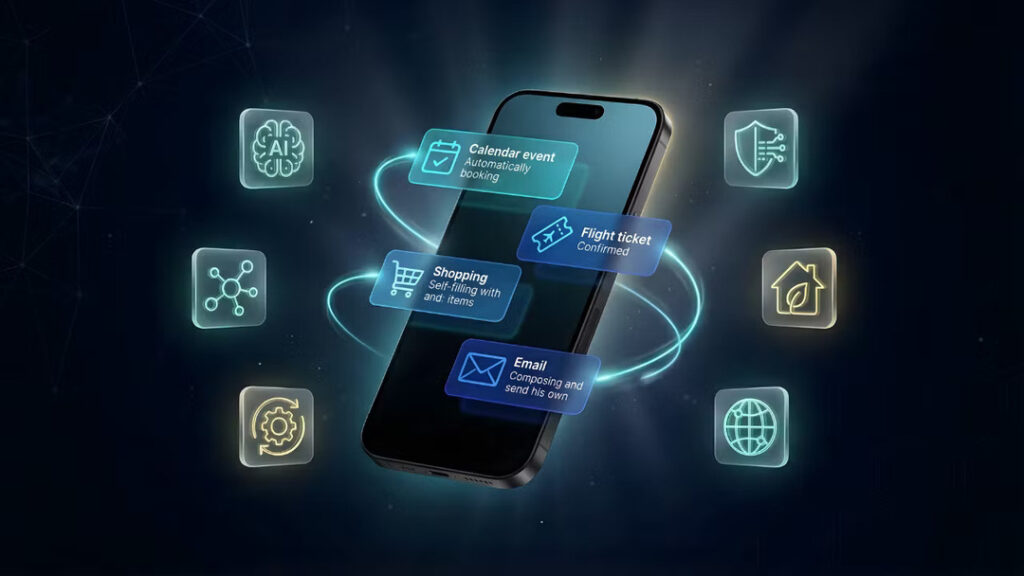
For example, instead of manually opening apps to complete tasks, users can now rely on the device to handle actions through simple commands. Whether it’s organizing a schedule, booking transportation, or summarizing information, the system is designed to act rather than merely respond.
This marks a significant evolution: AI is transitioning from a reactive assistant to a proactive digital agent.
The Role of Hybrid AI: On-Device Meets Cloud
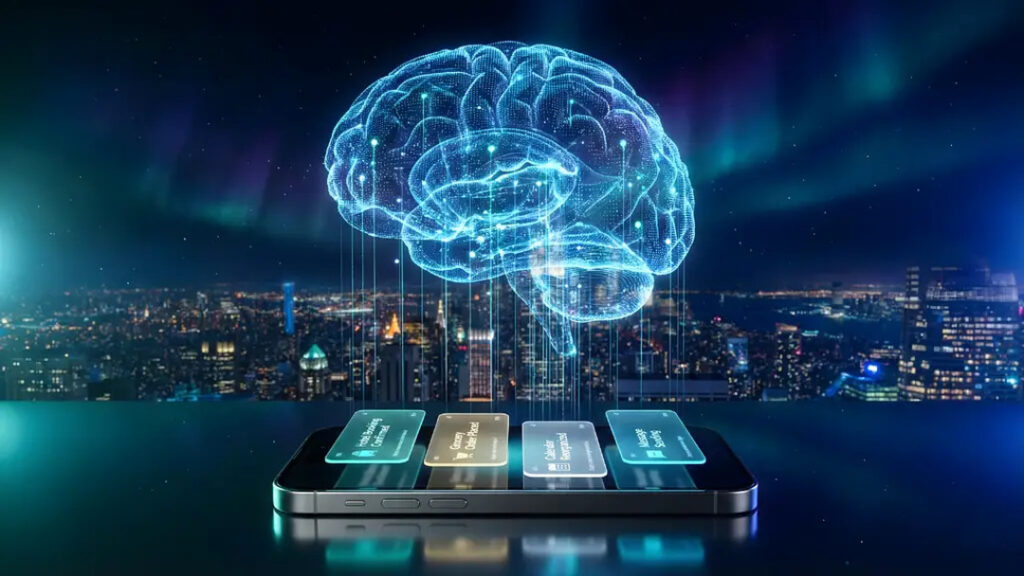
One of the most important technological advancements in the Galaxy S26 series is its hybrid AI architecture. Samsung combines on-device processing with cloud-based intelligence to deliver both speed and depth.
On-device AI ensures that basic tasks are handled instantly and securely. This includes features like voice recognition, image processing, and contextual suggestions. Because these processes occur locally, they offer faster response times and enhanced privacy.
Meanwhile, cloud-based AI provides the computational power needed for more complex operations. This includes advanced language understanding, multi-step task execution, and integrations with external services.
The combination allows users to benefit from both worlds:
- Speed and privacy from local processing
- Advanced capabilities from cloud intelligence
This balanced approach is becoming a standard blueprint for modern AI systems, particularly in mobile devices where performance and efficiency are critical.
From Assistants to Autonomous Agents
Perhaps the most important takeaway from Samsung’s announcement is the conceptual shift toward AI agents. Traditional assistants required users to issue detailed commands and often needed multiple steps to complete a single task.
The new generation of AI aims to reduce this friction. Instead of asking a device to perform individual actions, users can now give broader instructions. The system interprets intent, breaks it down into steps, and executes them automatically.
For instance, a simple request like planning an evening outing could involve:
- Searching for nearby restaurants
- Checking availability
- Booking a reservation
- Arranging transportation
All of this can happen with minimal user intervention. The emphasis is on outcomes rather than processes.
This evolution reflects a larger industry trend where AI becomes more autonomous, capable of handling multi-step workflows without constant supervision.
Why Simplicity Is the New Innovation
One of the most notable aspects of Samsung’s strategy is its focus on simplicity. In an era where technology often becomes more complex, the company is prioritizing ease of use as a competitive advantage.
This approach acknowledges a key challenge in AI adoption: many users feel overwhelmed by new features. By making AI less visible and more intuitive, Samsung is lowering the barrier to entry.
The idea is straightforward technology should adapt to people, not the other way around.
This philosophy is likely to resonate with a broader audience, including users who may not consider themselves tech-savvy. It also aligns with a growing demand for tools that enhance productivity without adding cognitive load.
The Competitive Landscape of AI Smartphones
Samsung’s move does not exist in isolation. The global smartphone market is rapidly becoming an AI battleground, with major players investing heavily in similar technologies.
Companies are racing to develop systems that can:
- Understand context more effectively
- Deliver personalized experiences
- Integrate seamlessly with everyday tasks
What sets Samsung apart, at least for now, is its emphasis on execution rather than experimentation. Instead of showcasing futuristic concepts, the Galaxy S26 focuses on practical applications that users can immediately benefit from.
This pragmatic approach could give the company an edge in a market where consumers are increasingly looking for tangible value rather than abstract innovation.
Scaling AI to Hundreds of Millions of Devices
Samsung has also outlined an ambitious goal: reaching approximately 800 million AI-enabled devices by the end of 2026. This includes not only smartphones but also tablets, wearables, and other connected products within its ecosystem.
Such adoption could have far-reaching implications. As more devices become interconnected through AI, the potential for seamless cross-device experiences increases.
Imagine a scenario where your phone, smartwatch, and home devices work together intelligently:
- Your phone schedules an event
- Your smartwatch reminds you at the right time
- Your home system adjusts lighting and temperature accordingly
This level of integration moves closer to the concept of a fully connected digital environment—one where AI orchestrates multiple devices to enhance everyday life.
Implications for the Future of Mobile Technology
The introduction of “invisible AI” represents more than just a product update—it signals a fundamental shift in how technology is designed and used.
Several key trends are likely to emerge as a result:
Increased Automation: Devices will take on more responsibilities, reducing the need for manual input and repetitive actions.
Greater Personalization: AI systems will become better at understanding individual preferences, leading to more tailored experiences.
Enhanced Productivity: By automating routine tasks, users can focus on more meaningful activities.
Privacy Considerations: As AI becomes more integrated, balancing convenience with data protection will remain a critical challenge.
A Quiet Revolution in AI
Samsung’s Galaxy S26 launch highlights a pivotal moment in the evolution of artificial intelligence. The focus is no longer on showcasing what AI can do, but on demonstrating how effortlessly it can improve daily life.
By making AI less visible yet more capable, Samsung is setting a new standard for the industry. The concept of “invisible AI” may very well define the next generation of smart devices.
As technology continues to advance, one thing is becoming clear: the most powerful innovations are not always the most noticeable. Sometimes, the biggest breakthroughs are the ones you barely see but rely on every day.