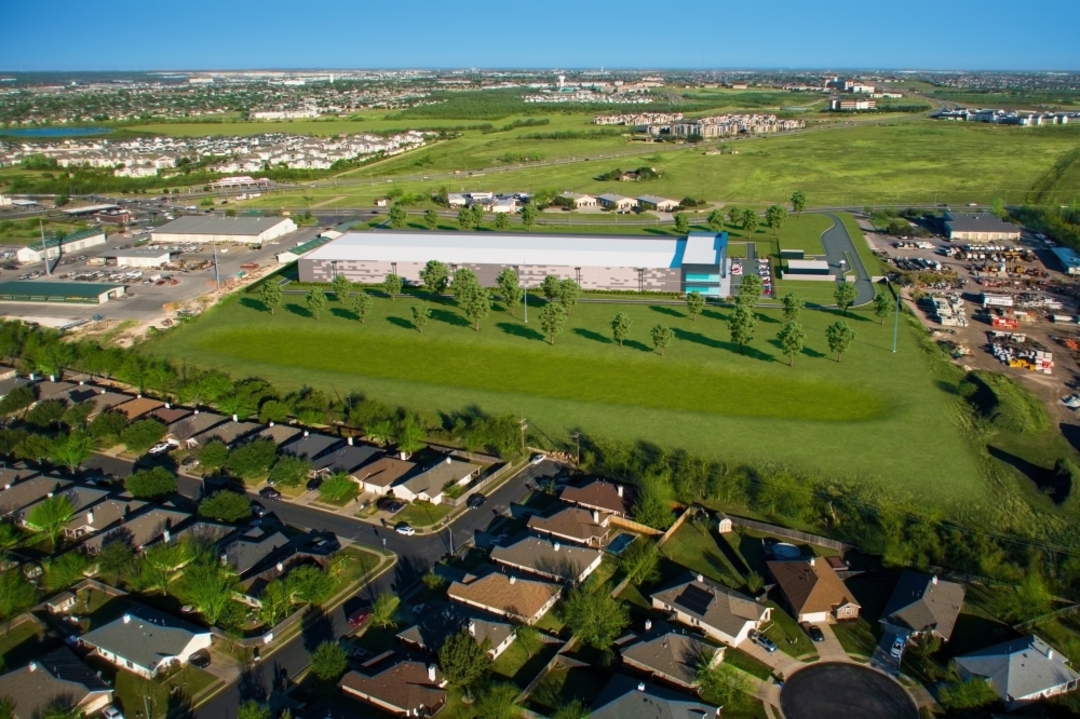
The Round Rock City Council has given the green light to a rezoning ordinance that paves the way for a new Skybox data center near Old Settlers Boulevard and North A.W. Grimes Boulevard. This decision comes after weeks of community debate and a prior first reading in December. With this approval, Skybox is set to develop a high-spec facility in one of Central Texas’s leading technology corridors.
Public Protests and Community Concerns Precede Approval
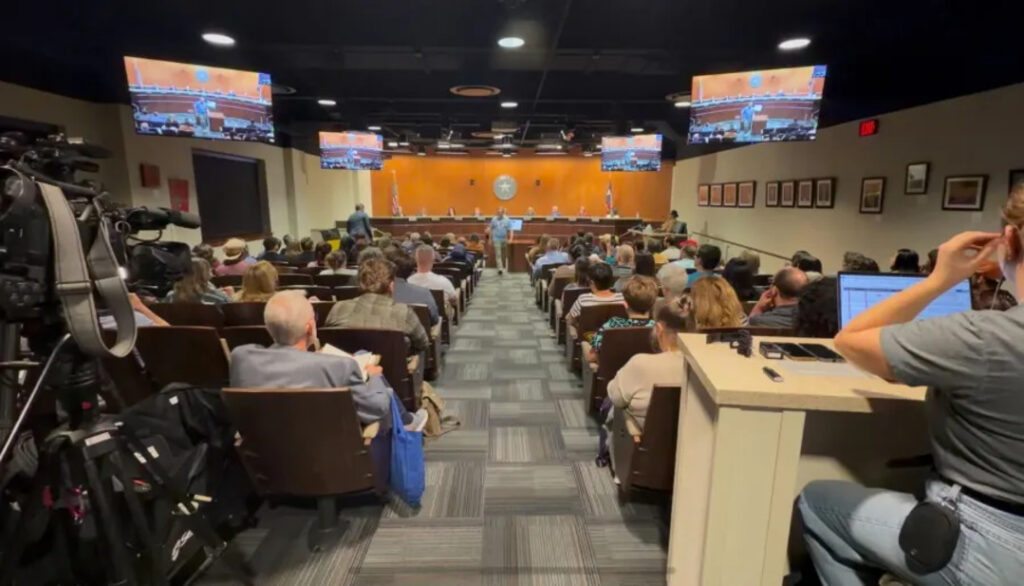
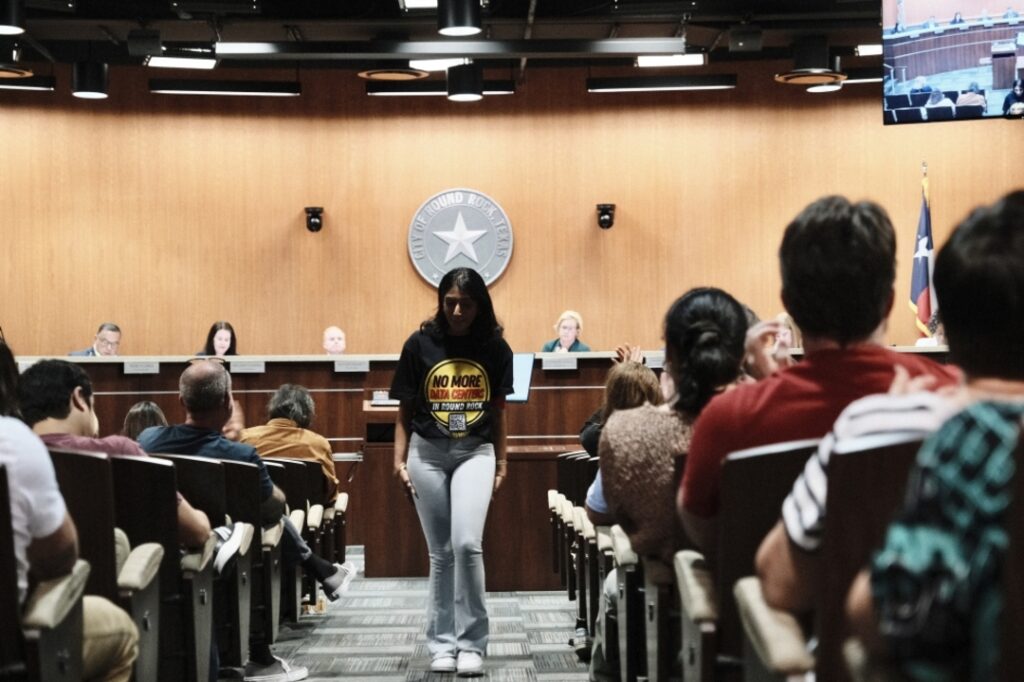
In the lead-up to the vote, local residents made their voices heard by marching from the public library to City Hall, underscoring deep community concerns. Testimony at the council meeting focused on several issues, including potential strains on electricity and water infrastructure, increased noise from backup generators, and the overall cumulative impact of additional data centers in the area. While perspectives varied, the collective sentiment called for transparency, responsible siting, and a balance between growth and neighborhood wellbeing.
Why This Location? The Case for Round Rock
The proposed data center site is strategically positioned near major roads and utility corridors, making it an attractive option for digital infrastructure. Skybox, known for its nearby operations in Pflugerville and Georgetown, continues to expand its Central Texas presence to meet demand from cloud providers, AI processing, and enterprise IT clients. Round Rock’s advantageous location combined with access to Austin’s talent and existing tech ecosystem helps explain the appeal of this city for large-scale data center investment.
Data Center Growth in Austin and Texas
Austin has rapidly evolved into a top U.S. data center market. Recent industry data suggests nearly 38 data centers operate in the Austin metro area, with about 387 across Texas. Factors fueling this dense market include competitive business conditions, expansive fiber networks, and strong utility infrastructure.
Round Rock’s Approach: Case-by-Case Evaluations
Round Rock is already home to two main data center campuses, and city leaders stress a cautious, proposal-by-proposal review process rather than blanket expansion. Each data center application is weighed according to land compatibility, infrastructure needs, and how any issues will be addressed. City officials believe this methodical oversight helps ensure new facilities align with community priorities.
What Rezoning Approval Means (and Doesn’t Mean)
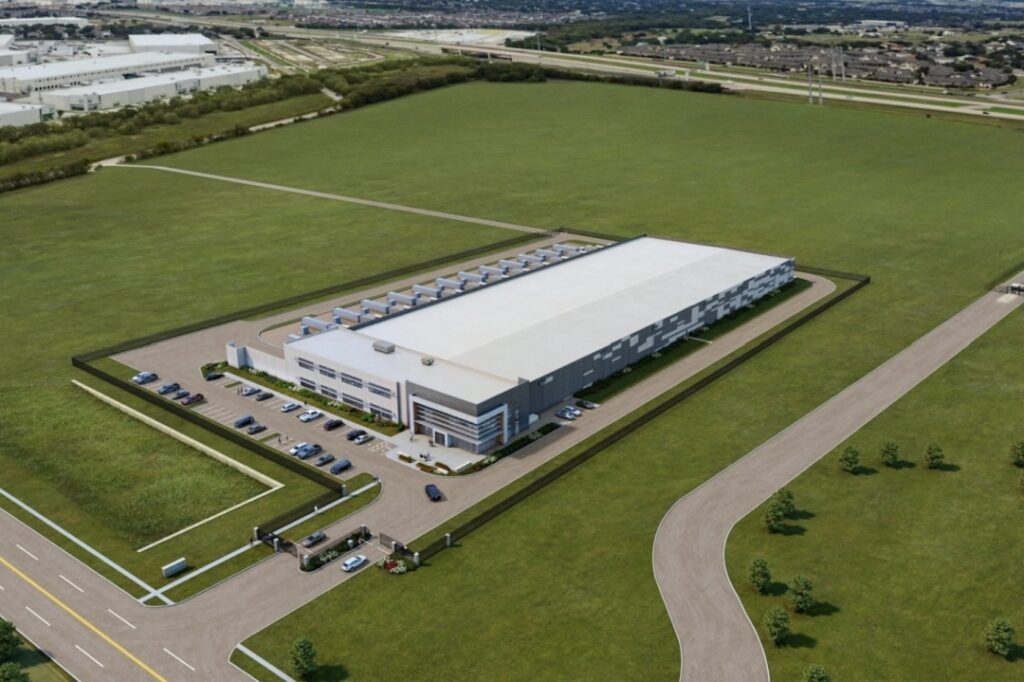
With the council’s approval, the land is now authorized for data center use, but the process doesn’t end here. Next steps will include:
- Comprehensive site planning, including traffic, drainage, and utility analysis
- Coordination with local utilities for power delivery and backup systems
- Permitting and ensuring compliance with city standards for noise, landscaping, and screening
Community Impacts: Power, Water, and Noise
Residents at the recent hearing highlighted three main areas of concern:
1. Power Demand:
Data centers require substantial energy for both servers and cooling. Ensuring grid stability and coordinating closely with utilities will be essential to prevent local disruptions.
2. Water and Cooling:
Although many new facilities lean toward air-cooled systems, some still use water-assisted methods, raising questions about consumption and wastewater management. The overall environmental impact will depend on technology choices and potential water reuse strategies.
3. Noise and Backup Generators:
Testing and emergency use of backup diesel or gas generators can produce disruptive noise. Common mitigation measures include sound barriers, enclosures, and limited testing hours to protect nearby homes and schools.
Economic Growth vs. Neighborhood Quality of Life
Proponents of the rezoning argue that data centers bolster local tax revenues while having less daily traffic than many alternative uses, positioning Round Rock for further tech investment. Detractors point out that while economic benefits may be widespread, potential environmental and infrastructure costs tend to be borne locally. The challenge is to find the right balance potentially through project-specific commitments on noise, design, sustainability, and community benefits.
Skybox’s Regional Expansion and Market Influence
Skybox Datacenters has already established itself as a key player in Austin’s tech landscape, operating facilities in nearby Pflugerville and Georgetown that support hyperscale and AI applications. The new Round Rock site would extend this network, improving infrastructure connectivity and potentially offering lower latency for enterprise clients throughout Central Texas.
How This Fits into Round Rock’s Long-Term Development Plans
Round Rock’s planning approach seeks to manage rapid growth in both housing and employment while safeguarding quality of life. Site-by-site data center review supports this strategy, allowing detailed scrutiny of each project’s impact on traffic, utilities, and neighborhoods. As the Skybox plan moves to the next phase, additional public input and design checks are expected to uphold community standards.
Next Steps to Watch
- Submission and review of detailed site plans, including commitments on energy and water use
- Updates from utilities regarding grid upgrades or power capacity
- Ongoing community engagement, design refinements, and construction timelines
In Summary
By approving the rezoning for a new Skybox data center, the Round Rock City Council has unlocked the next phase for high-powered digital infrastructure in the city. The move came after sustained community input setting the stage for further scrutiny of power, water, and neighborhood impacts as the proposal progresses. With dozens of data centers already clustered around Austin and nearly 400 statewide, Round Rock’s decision reflects the balancing act that rapidly growing cities face, managing the rise of digital infrastructure alongside local quality-of-life priorities.