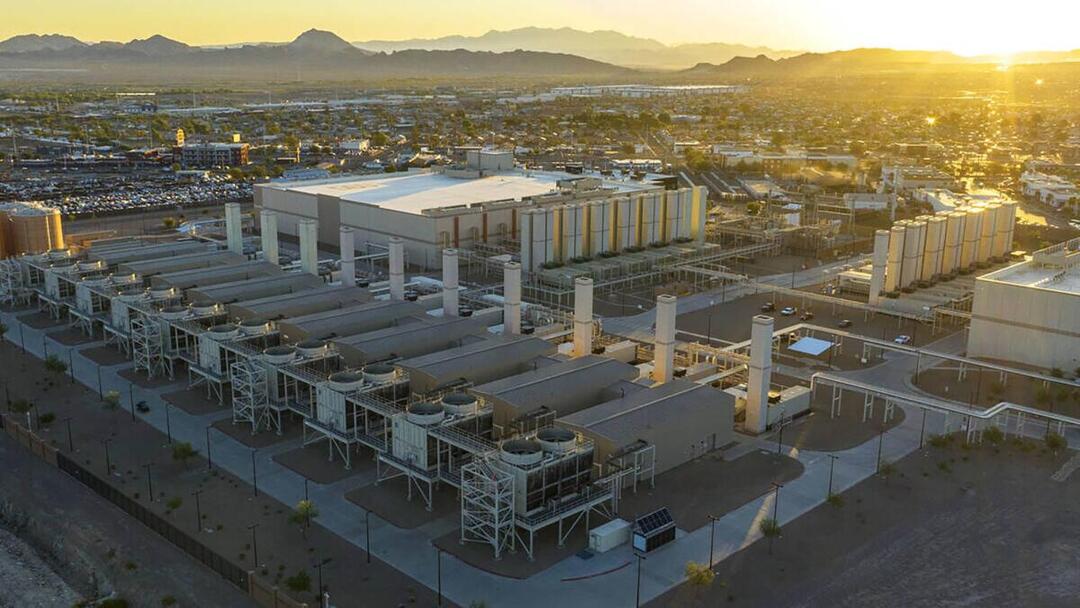
Gas-powered data centers are becoming the AI industry’s answer to one of its hardest problems: the grid is not moving fast enough. But a proposed Taylor, Texas project shows the tradeoff clearly bringing your own power may solve one infrastructure bottleneck while moving the political fight closer to neighborhoods, emissions, land use, and local approval.
That is why Taylor matters beyond one Central Texas city. The same pressure behind the broader AI data center power fight is now showing up in local meetings, petitions, annexation debates, and arguments over whether communities have enough time and authority to shape projects built for massive AI demand.
Gas-Powered Data Centers Are Testing Local Patience
The Taylor project, formerly known as Project Mustang, is proposed for 665 acres between FM 112 and US 79, just east of the current city limits. City materials say the project would include data center facilities for computer servers and onsite power generation equipment to meet the facility’s electricity needs through the 665-acre project details.
That structure is the whole story. Developers are not simply proposing a data center that plugs into the grid. They are proposing a data center campus paired with its own power plant.
For AI infrastructure planners, that can look logical. Power availability is now one of the main barriers to data center development. A site with dedicated generation may reduce dependence on strained interconnection queues and give hyperscale customers more confidence that capacity will arrive.
For residents, the same proposal can look very different. A data center already raises questions about noise, water, light, traffic, land conversion, and tax benefits. Add natural-gas generation, and the project becomes not only digital infrastructure but energy infrastructure.
That creates a much wider fight.
Taylor’s Annexation Choice Is Not Simple
The debate in Taylor is complicated because the project sits immediately outside the city limits. The city says that, under state law, it has no ability to prevent or regulate development outside municipal boundaries. If the project remains in unincorporated county territory, the developer may have the legal right to build with fewer local controls.
That leaves Taylor with a difficult choice. Annexation could bring the project under city rules and allow Taylor to impose conditions around noise, setbacks, air quality, lighting, stormwater drainage, water use, and other impacts. Rejecting annexation could leave nearby residents with less protection if the project proceeds outside city authority.
This is the political trap now appearing around large data centers. Communities may oppose a project but still face pressure to annex or negotiate because the alternative could be weaker oversight.
Residents are pushing for stronger rules before annexation moves forward. A local coalition has argued that Taylor’s existing development framework is not designed for a project of this scale, especially one that pairs servers with natural-gas power generation.
The city is not only deciding whether it wants growth. It is deciding how much leverage it can preserve before growth arrives.

The Gas Plant Changes the Public Debate
A conventional data center fight often centers on water, electricity demand, property values, tax incentives, and permanent jobs. A gas-powered data center adds questions about emissions, fuel supply, engine noise, air permits, and whether onsite generation creates a private power island near residential or rural areas.
That does not mean all onsite generation is reckless. It can help large-load customers avoid stressing the grid during peak demand. Can support reliability. It can also be designed with emissions controls, setbacks, monitoring, and operating limits.
But residents are likely to ask harder questions when a project includes dozens of gas engines or turbines. They will want to know what pollutants are emitted, how often engines run, how noise is measured, who enforces limits, and what happens during emergencies.
This is where the industry’s “bring your own power” message runs into public skepticism. The pitch sounds efficient from an infrastructure perspective. On the ground, it can sound like industrialization without enough public consent.
The concern is power without trust.
The Risk Profile Is Different From Grid-Only Projects
Taylor’s debate shows why gas-powered data centers need a different approval playbook than ordinary commercial development.
| Risk Area | Grid-Only Data Center | Gas-Powered Data Center |
|---|---|---|
| Electricity supply | Depends more heavily on utility interconnection | Adds dedicated onsite generation |
| Local air concerns | Mostly tied to backup systems | Central issue if gas engines run regularly |
| Noise profile | Cooling and equipment noise dominate | Power equipment adds another layer |
| Public oversight | Utility and local development rules apply | Energy and environmental controls become more prominent |
| Political narrative | Jobs, taxes, and grid demand | Jobs, taxes, emissions, and local control |
The comparison is important because local residents are not reacting only to AI or data centers in the abstract. They are reacting to a more industrial version of the data center model.
That distinction will matter across Texas and beyond. If more projects pair AI campuses with dedicated gas generation, the debate will move from “Will the grid handle it?” to “Should this power plant be here?”
Residents Are Organizing Before the Vote
The local pushback is already visible. Residents have pressed Taylor officials to adopt new regulations before considering annexation of the project site. Recent coverage described a 1,400-signature petition, a press conference by opponents, and a potential court challenge tied to whether residents should get a vote on rules governing large-scale digital infrastructure through the latest resident opposition campaign.
The timing is important. Once a project reaches annexation agreements, development agreements, engineering plans, and utility coordination, residents may feel the decision is effectively made. That is why opponents often push early for zoning districts, temporary pauses, or stronger public-review requirements.
Taylor is also not operating in isolation. Texas officials have been under increasing pressure to protect residential electricity customers from data center infrastructure costs and to audit large-load projects moving through grid processes.
That broader state pressure gives local residents more political oxygen. Their concerns no longer look like isolated neighborhood objections. They fit into a statewide argument about AI infrastructure, ratepayers, water, rural land, and who gets to decide.
The Next Test Is Whether Rules Arrive Before Capacity
The key signal in Taylor is not simply whether Project Mustang moves forward. The real test is whether local rules, development agreements, and enforceable protections arrive before the project becomes too advanced to shape.
Watch the annexation timeline. Whether the city creates a dedicated digital infrastructure zoning framework. Watch the terms around setbacks, noise, air quality, light pollution, wastewater, stormwater, and power operations. Watch whether community benefits are specific or vague.
Also watch how developers talk about onsite power. If they frame gas generation only as a solution to grid bottlenecks, they may miss the public’s core concern. Residents want to know how the project will affect their daily lives, not just whether it helps AI companies secure uptime.
The strongest developers will treat local approval as infrastructure, not public relations.
Gas-powered data centers may become a practical answer to AI’s electricity problem, especially in places where grid expansion cannot keep pace with compute demand. But Taylor shows the model comes with a political price. Dedicated power can make projects faster and more reliable, yet it also makes them more visible, more industrial, and harder to separate from emissions and land-use debates.
If gas-powered data centers are going to spread, developers will need more than megawatts and land control. They will need credible rules, enforceable protections, and communities that believe the benefits are not being built on top of local risk. Taylor is the warning shot: AI may want private power, but the fight over that power will still be public.