


Our approach to power infrastructure is as old as a flip phone. We face huge costs when systems go down, yet we still rely on manual checks. This is outdated.
Using a sundial for a Formula 1 race is like our current system. Edge computing and IoT are changing how we manage infrastructure. We’re moving from reacting to predictive precision.
Before, monitoring was done by a person with a clipboard. Now, we have sensors that detect failures before they happen. This shift to intelligent power monitoring helps avoid huge costs. It’s about building systems for the 21st century.
The energy sector IoT revolution is here. It’s time to stop praying and start predicting.
Edge in Pipelines & Plants
Environmental threats to pipelines can happen anytime, not just during scheduled maintenance. Temperature spikes, humidity surges, and leaks can cause huge problems. These issues can turn a big operation into a disaster in just one day.
Traditional monitoring is like trying to guess a patient’s fever from last week’s weather. It’s too late, and the damage is done by then.
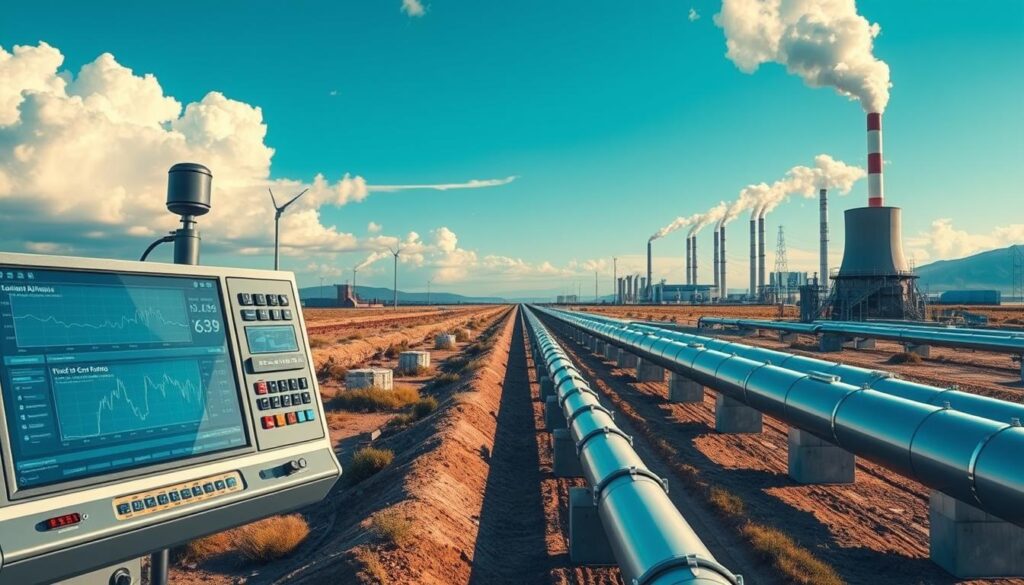
Edge computing is like a quick reflex system for the industry. It’s not just fancy tech talk. It’s the difference between fast information processing and slow methods. These edge energy applications act as the first line of defense. They analyze data in real-time to prevent big problems.
I’ve seen how a small temperature change can cause big issues. Edge systems catch these changes right away. Traditional methods take too long.
Modern remote monitoring is great because it predicts problems. It’s not just about finding issues. It’s about seeing them coming. These systems are like chess grandmasters, always thinking ahead.
Many energy companies are already using advanced edge computing solutions. They’re not waiting for the future. They’re making it today.
The environmental monitoring solutions we talk about are not just nice to have. They’re crucial. They help avoid big costs and keep everyone safe. The edge is here, making our energy systems better, safer, and more efficient.
Safety Protocol Automation
Remember when safety protocols were just a hopeful gesture? The energy sector’s old ways were like going to a fight with a knife. It was dangerous and not enough.
Now, energy sector IoT solutions have changed the game. They’re like super alert security guards who never sleep or blink. They can spot trouble before it even shows up.
Monitoring physical infrastructure has changed from occasional checks to constant digital watch. These systems find dangers with accuracy that beats human senses. They catch gas leaks and pressure issues before they become big problems.
Edge energy applications are amazing because they act fast. Unlike humans who need breaks, these systems quickly shut down to keep everyone safe. It’s not just about avoiding fines anymore. It’s about making work safer so people can focus on creating new things.
Remote monitoring has made worker safety better. It keeps people safe while always watching. This means fewer accidents, lower costs, and smoother operations.
We’ve moved from just hoping for the best to systems that really work. It’s like switching from a bike to a bullet train. Both get you there, but one is much safer.
Reducing Downtime
Imagine watching your profits disappear while your equipment is idle. This is what happens with unplanned downtime in the energy sector. It’s like throwing money away for no reason while others succeed.
The U.S. Department of Energy found something amazing. Companies using remote monitoring see a 35-45% drop in unexpected shutdowns. This isn’t just saving a little – it’s a huge change.
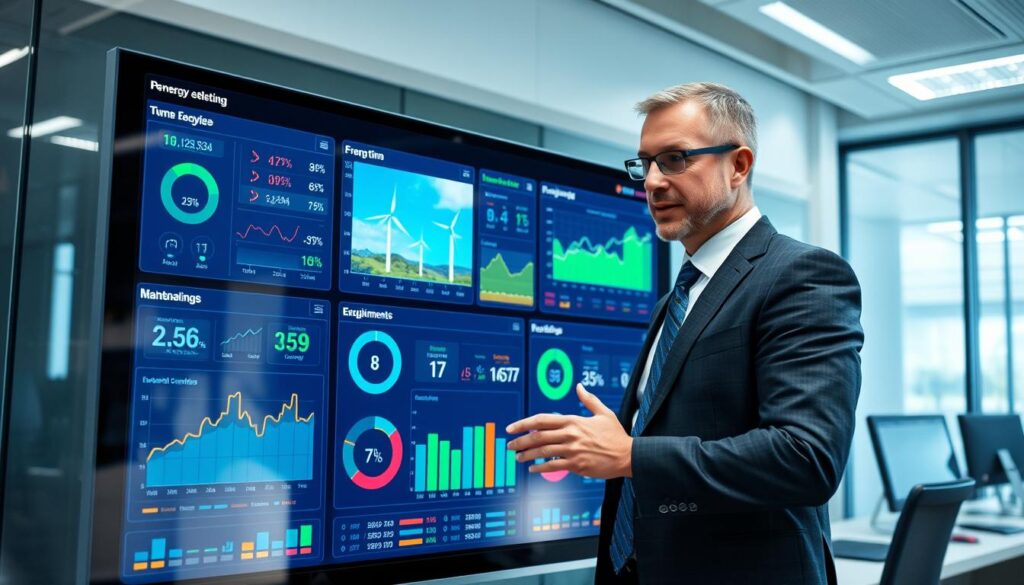
NextEra Energy is a great example. They use predictive maintenance with energy sector IoT solutions. This saves them $25 million every year. They fix things before they break, not just when they need to.
This change makes maintenance much better. It’s like changing your oil when it’s needed, not just by the book.
| Maintenance Approach | Downtime Impact | Cost Efficiency | Implementation Complexity |
|---|---|---|---|
| Reactive (Fix when broken) | High unplanned outages | Lowest efficiency | Simple but costly |
| Preventive (Scheduled) | Moderate reduction | Medium efficiency | Moderate complexity |
| Predictive (Remote monitoring) | 45% reduction | Highest ROI | Advanced but scalable |
The financial benefits are huge. One hour of unplanned downtime could fund a startup. Yet, we’ve always seen downtime as something we can’t avoid.
Modern remote monitoring systems are like magic crystal balls. They predict failures and give you a chance to act before it’s too late.
This isn’t just a small improvement. It’s a big change. It makes old ways seem outdated, like comparing whale oil to modern technology.
Field Data Insights
Remember when collecting field data felt like trying to catch lightning in a bottle? We’d get occasional flashes of brilliance, but mostly just empty containers. Today’s edge energy applications have turned that metaphor on its head – we’re not just catching lightning anymore, we’re directing the storm.
The architecture behind modern remote monitoring is pure engineering poetry. Sensors act as digital nervous systems, constantly feeding real-time intelligence. Connectivity serves as the circulatory system, moving data where it needs to go. Edge processing becomes the brain making split-second decisions locally, while cloud integration provides the collective consciousness that sees patterns across entire operations.
I’ve watched vibration signatures at 3 AM predict failures that wouldn’t manifest until 3 PM next Thursday. Temperature fluctuations in one pipeline section revealing corrosion patterns months before visible damage. This isn’t just data – it’s operational clairvoyance.
The real revolution isn’t technical though. It’s business model transformation. Companies are evolving from selling energy as a commodity to selling reliability as a service. They’re not just moving electrons anymore – they’re delivering peace of mind.
Think about it: instead of charging for kilowatt-hours, forward-thinking operations now offer uptime guarantees. They monetize predictive maintenance. They sell customized energy optimization packages. It’s the difference between selling DVDs and selling Netflix subscriptions – same content, completely different value proposition.
This shift transforms field data from operational overhead to revenue generator. Every sensor reading becomes a potential service offering. Every pattern recognition becomes a competitive advantage. The companies that understand this aren’t just energy providers anymore – they’re data-driven service innovators.
Industry Examples
Let’s look at real results, not just ideas. NextEra Energy saved $25 million a year with predictive maintenance. That’s a big win for any energy company.
DC Water found a main break 17 days early, saving $1.2 million. They also kept 12,000 customers from losing service. These stories show how to excel in operations.
Across many fields, we see the same success. Manufacturing stops big failures with vibration checks. Logistics keeps food cold with sensors. Evergy’s touchless substation is a big step in energy tech.
Edge energy apps are changing how we manage things. Companies using these techs are ahead of the game. They’re not just keeping up; they’re leading.
These examples show smart monitoring does more than prevent disasters. It changes how we work and serve customers. The future is for those who spot problems before they start.



