

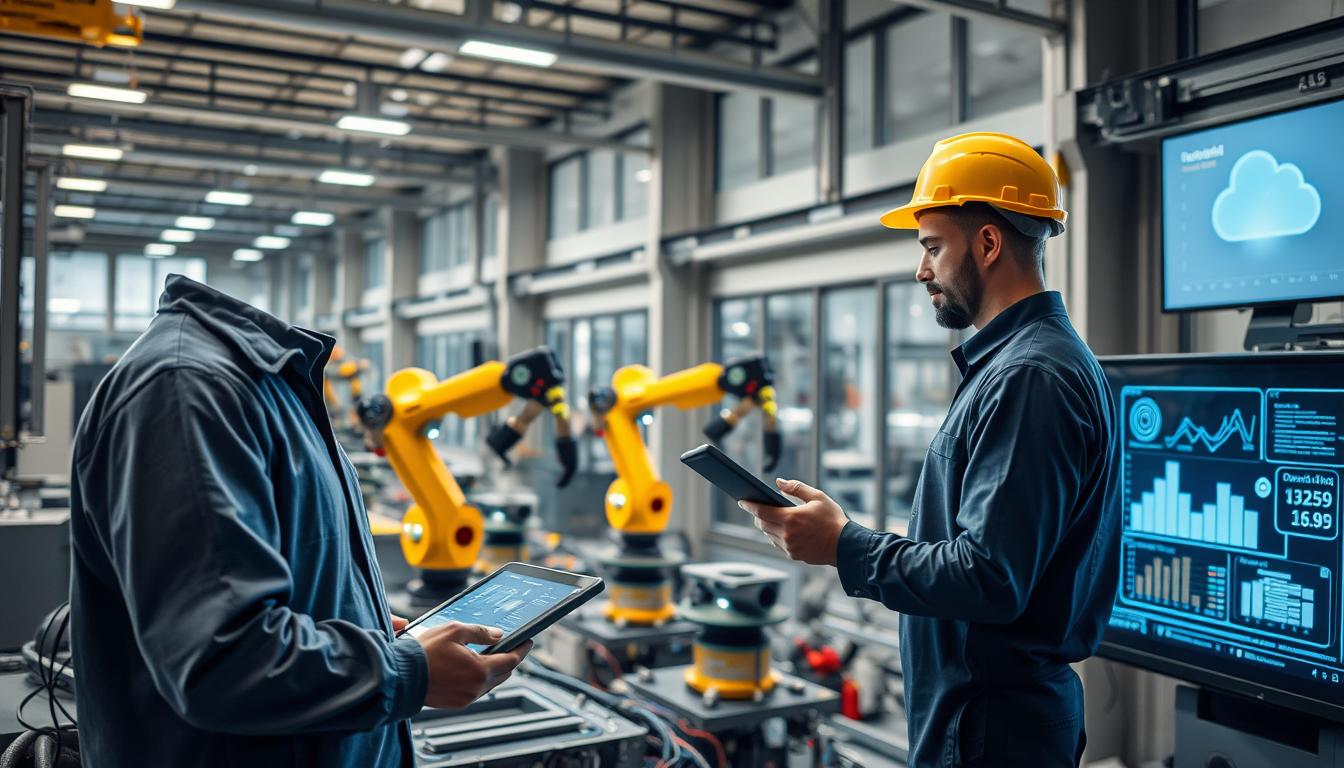
Imagine your factory floor trying to make quick decisions, but data is slow to arrive from the cloud. It’s like trying to conduct an orchestra with a five-second delay. It’s complete chaos.
Edge computing fixes this problem by bringing decision-making power to the source. It processes data locally, not sending it to far-off servers. In today’s manufacturing, every millisecond counts because it’s money.
This method creates a perfect partnership. The edge makes fast, on-the-spot decisions. Meanwhile, the cloud handles the big picture. It’s like a local manager making quick calls while headquarters plans for the future.
Edge computing can save up to 30% in costs with predictive maintenance. It also cuts down on waste with real-time quality control. It’s not about replacing the cloud. It’s about making a seamless automation symphony where every part works together.
Workflow Transformation
Remember when factory floors were just metal and whirring parts? Those days are gone. Today, manufacturing plants are smart ecosystems. Industrial automation edge servers act like brain surgeons for machinery.
It’s not just about making things faster. It’s about making the whole production smarter. These systems process data right where it happens. They turn raw sensor readings into instant insights.
Real Case Implementation
General Electric’s aviation division shows us how it’s done. Their predictive maintenance systems use edge computing like a medical team on standby. Sensors detect anomalies that humans miss, and edge servers predict failures before they happen.
The results? They save 12% of scheduled repairs and cut maintenance costs by 30%. That’s not just efficiency. It’s surgical precision in machine healthcare.
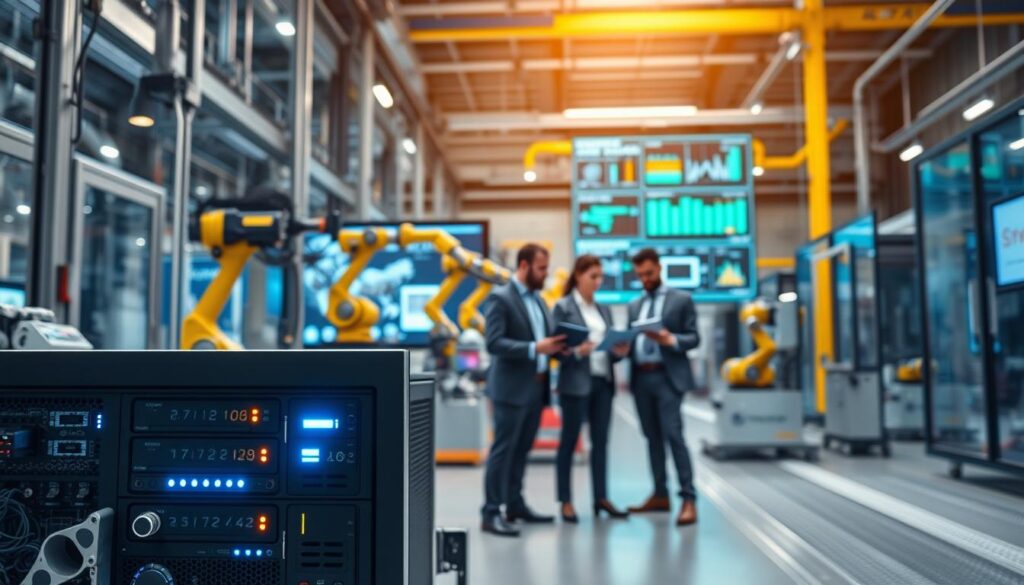
Siemens takes it further, turning production lines into “orchestras of efficiency.” Their plants use edge computing for intelligent systems that communicate seamlessly. Real-time quality control catches defects faster than any human inspector.
We’re talking about up to 70% reduction in breakdowns. That’s the kind of numbers that make CFOs do happy dances.
System Integration
The real magic happens when these edge servers start talking to everyone at the party. They communicate with machines on the floor and stay connected to cloud systems. This isn’t just data collection. It’s creating a seamless workflow where real-time decisions inform broader strategic moves.
Industrial IoT use cases show how edge+cloud collaboration works in practice. The edge handles immediate decisions, while the cloud manages long-term analytics and strategy. It’s like having a tactical field commander and a strategic general working together.
This integration transforms how factories operate. The right industrial automation edge server setup becomes the nervous system of smart factories. It connects every component into a cohesive, intelligent whole.
We’re not talking science fiction here. This is the present reality of manufacturing. Data flows like electricity, and decisions happen at the speed of light.
Real Case Implementation
While Silicon Valley debates AI ethics, edge automation is solving real problems in real cities. It’s showing actual results. Let’s look at some implementations that prove this isn’t just tech bro hype.
Workflow Transformation
Barcelona’s traffic system doesn’t just sense congestion – it thinks locally. It doesn’t send data to a distant server farm. Instead, edge computing processes information right at the intersection.
It’s like giving each traffic light its own mini-brain that can make real-time decisions. The result? Traffic flows like a well-conducted symphony rather than a free-form jazz improvisation gone wrong. Commuters save time, emissions drop, and everyone’s blood pressure decreases. Now that’s what I call urban harmony.
Chattanooga took a similar approach with their power grid. When storms hit, their edge-enabled system isolates problems and reroutes power automatically. What used to cause city-wide blackouts now creates minor, localized interruptions. It’s like having a digital immune system for your city’s energy supply.
Even agriculture is getting smarter. Farmers are using soil moisture sensors with edge automation to control irrigation systems. The technology makes decisions on the spot, saving water and improving crop yields. Who knew dirt could be so high-tech?
Staff Training & Outcomes
Here’s where it gets interesting. When systems make autonomous decisions, human roles shift dramatically. Workers aren’t just pushing buttons anymore – they’re becoming system interpreters.
Training programs have evolved from “how to operate” to “how to understand and intervene.” Staff need to grasp both the technology and the outcomes it produces. They’re learning to read data patterns, anticipate system behavior, and know when to step in.
The outcomes speak for themselves:
- Reduced response times during emergencies
- Improved efficiency across urban systems
- Better resource allocation through smart monitoring
- Enhanced problem-solving capabilities at local levels
This isn’t just about smarter machines – it’s about creating smarter cities with more capable human oversight. The real magic happens when edge automation and trained professionals work together like a well-rehearsed team.
System Integration
Ever tried getting your smart fridge to talk to your coffee maker? It’s like that, but on a big scale. System integration in automation is tough, but knowing about edge and cloud helps.
Think of it like a modern marriage. The edge makes daily decisions, like what’s for dinner. The cloud plans for the future, like retirement. Both are needed for everything to work well.
Staff Training & Outcomes
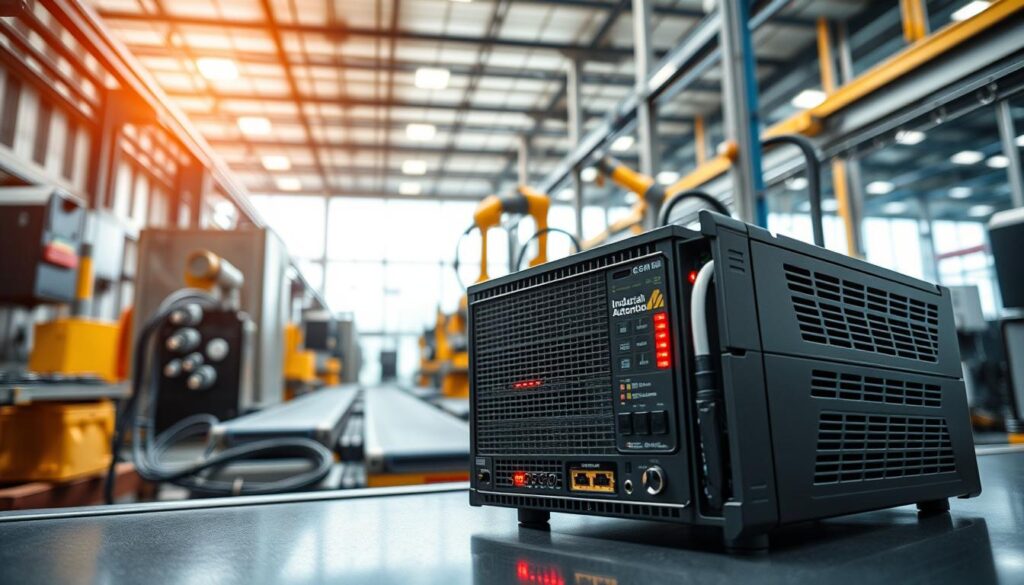
Training staff for this new reality is not just about teaching buttons. It’s about changing how they think. They need to understand the role of the industrial automation edge server.
The results are great. Workers feel less stressed, respond faster, and feel more in control. They become leaders, not just button-pushers.
What is Edge in Automation?
Edge computing in automation is like having a smart assistant. It handles immediate tasks while you plan for the future. These systems process data from sensors and connect with the cloud.
Platforms like AWS IoT Greengrass and Azure IoT Edge make this work. They’re key when networks fail, which they sometimes do.
Security is the tricky part. With data being processed everywhere, you need strong protection. The cloud updates this protection continuously.
The real challenge is not technical but philosophical. How much control should the edge have versus the cloud? The answer is finding the right balance.
Successful integration makes your industrial automation edge server handle real-time tasks. Your cloud platform focuses on long-term planning.
This changes how factories work. Machines talk to each other through edge computing. This leads to smart energy use and predictive maintenance.
Platforms like AWS IoT Greengrass and Azure IoT Edge are great. They work with what you already have, making it easier to adopt.
For more on making this work, check out seamless system integration strategies. They show how to balance edge and cloud perfectly.
The goal is not to replace humans but to help them. Your staff gets smarter, systems respond better, and maybe your coffee maker will talk to your fridge.
Staff Training & Outcomes
Let’s face it – the latest automation systems are useless without trained staff. We’re not replacing people; we’re making them better at their jobs. They move from simple tasks to handling complex data.
System Integration
Integration problems are like bad Tinder dates – they cost a lot, take too long, and can be risky. But, with the right training, these issues become benefits. Companies that invest in engineer training see costs drop quickly.
Workflow Transformation
The factory floor turns into a well-coordinated orchestra. Workers go from just watching machines to controlling the whole system. This change brings big benefits: 30% less maintenance costs, 70% fewer breakdowns, and 12% savings on repairs.
It’s not just about automation; it’s about making things better. Factories become smart, systems adapt, and workers start to enjoy coming to work. That’s a story worth sharing.



