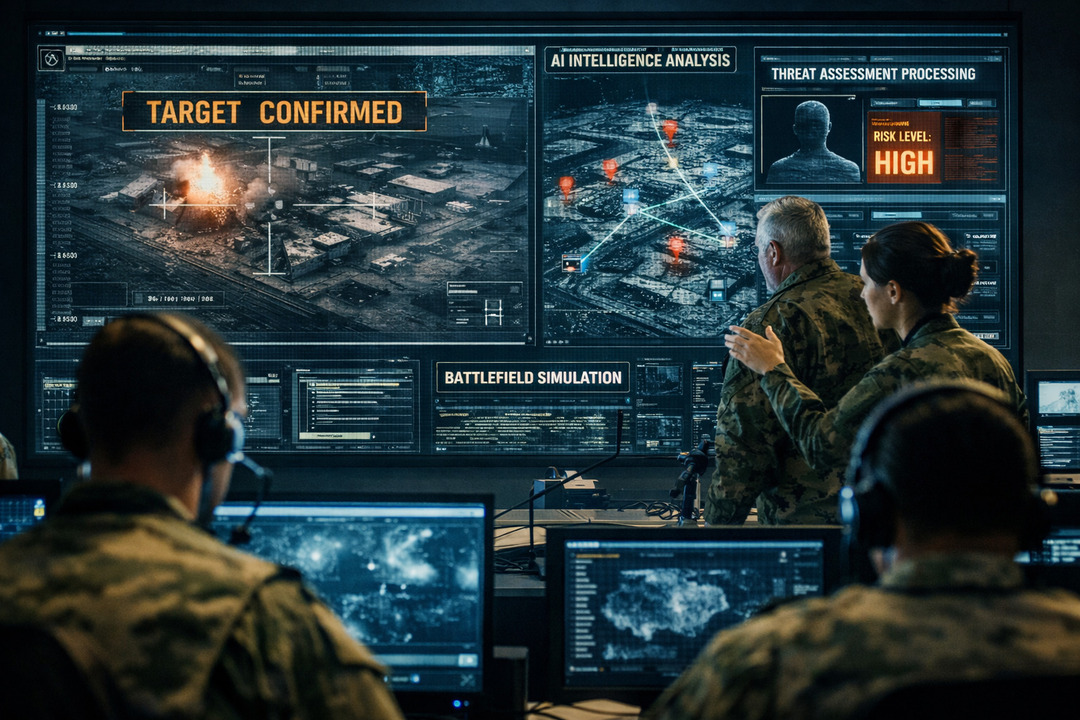
In a development that has sparked global debate, artificial intelligence technology reportedly continued to play a role in military operations even after being officially restricted by government policy. This contradiction has raised serious questions about transparency, enforcement, and the growing reliance on advanced technology in modern conflict.
At the center of the controversy is the tension between national security priorities and ethical limitations. While policymakers may set boundaries on how AI should be used, the realities of warfare often present situations where those boundaries are tested or quietly bypassed. The result is a complex and evolving debate that is reshaping how nations approach both technology and defense.
The Ban: A Policy Rooted in Security and Ethics
The decision to restrict certain AI technologies from government use was framed as a measure to address concerns about security risks and ethical constraints. Officials cited issues ranging from data control to the limitations imposed by developers on how their systems could be deployed.
At the same time, the companies behind these technologies had established their own guidelines, particularly around the use of AI in lethal or autonomous systems. These restrictions were intended to prevent misuse and ensure that human oversight remained central in critical decisions.
However, the intersection of these two perspectives government priorities and corporate safeguards created a fragile balance. The ban was meant to clarify that boundary, but recent reports suggest that the situation is far more complicated in practice.
Reports of Continued AI Use in Military Operations
Shortly after the ban was announced, reports emerged indicating that AI systems were still being utilized in certain military contexts. These systems were not necessarily used to make final decisions but were reportedly involved in supporting roles such as data analysis, target identification, and strategic planning.
This distinction is important. While the AI may not have directly controlled weapons, its influence on decision-making processes remains significant. By processing vast amounts of information at high speed, these systems can shape the choices made by human operators.
The continued use of such technology raises a critical question: where should the line be drawn between assistance and autonomy? For many observers, the answer remains unclear.
Why Military Forces Rely on AI Despite Restrictions
The reliance on artificial intelligence in defense operations is driven by several factors, chief among them being speed and efficiency. Modern warfare generates enormous volumes of data, from satellite imagery to real-time battlefield communications. Human analysts alone cannot process this information quickly enough to maintain a strategic advantage.
AI systems, on the other hand, excel at identifying patterns, detecting anomalies, and providing actionable insights in seconds. This capability makes them invaluable in high-pressure environments where decisions must be made rapidly.
Additionally, AI can enhance precision, potentially reducing collateral damage by improving target accuracy. For military planners, these advantages make the technology difficult to abandon even in the face of regulatory or ethical concerns.
Ethical Dilemmas: The Risk of Blurred Boundaries
The controversy surrounding AI use in warfare is deeply rooted in ethical considerations. One of the primary concerns is the gradual erosion of human accountability. As AI systems become more integrated into decision-making processes, it becomes harder to determine who is ultimately responsible for outcomes.
Another issue is the potential for unintended consequences. AI models are not infallible; they can misinterpret data or produce flawed recommendations. In a civilian context, such errors may be inconvenient. In a military setting, they can be catastrophic.
Furthermore, the use of AI in conflict raises broader questions about the future of warfare. If technology continues to play an increasingly dominant role, the nature of combat itself may shift, potentially reducing human involvement while increasing reliance on automated systems.
Government Accountability and Public Trust
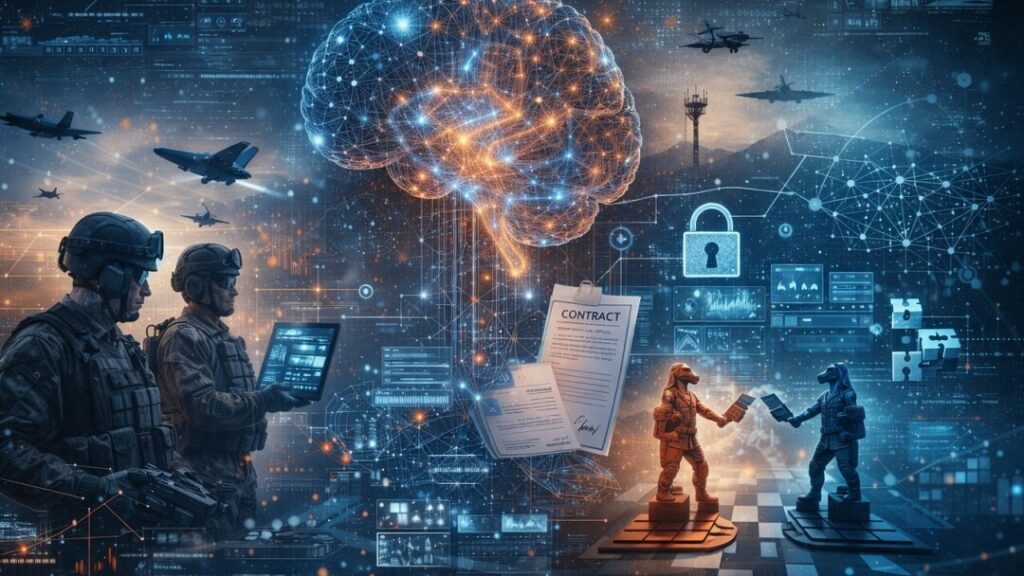
The apparent discrepancy between policy and practice has also raised concerns about government transparency. When official decisions are not consistently enforced, public trust can be undermined.
Citizens and advocacy groups are increasingly calling for clearer guidelines and stronger oversight mechanisms. They argue that if AI is to be used in military contexts, there must be well-defined rules governing its application.
At the same time, governments face the challenge of balancing openness with security. Revealing too much about operational practices could compromise national defense, creating a tension between transparency and confidentiality.
The Global Implications of AI in Warfare
The issue extends far beyond a single country or policy decision. As nations around the world invest in artificial intelligence, the use of AI in military operations is becoming a global phenomenon.
This has sparked concerns about an emerging technological arms race. Countries that hesitate to adopt AI may find themselves at a strategic disadvantage, while those that embrace it could push the boundaries of ethical and legal norms.
International cooperation and regulation may play a crucial role in addressing these challenges. However, achieving consensus among nations with differing priorities and values is a complex task.
The Future of AI Policy and Military Strategy
Looking ahead, the controversy is likely to influence both policy development and military strategy. Governments may revisit existing regulations, seeking to clarify the role of AI in defense operations and ensure that guidelines are both practical and enforceable.
At the same time, technology companies may refine their policies, balancing ethical commitments with the realities of working with government clients. This evolving relationship between the public and private sectors will shape how AI is developed and deployed in the future.
Ultimately, the challenge lies in finding a sustainable framework that allows for innovation while maintaining accountability and ethical standards.
A Debate Far From Resolved
The reported use of AI in military operations despite an official ban highlights the complexities of modern warfare. It underscores the gap that can exist between policy and practice, as well as the powerful role that technology now plays in global security.
As the debate continues, one thing is clear: artificial intelligence is no longer a peripheral tool in defense it is becoming a central component. How it is governed, controlled, and understood will have lasting implications not only for military strategy but also for the broader relationship between technology and society.
In this rapidly evolving landscape, the need for thoughtful discussion, clear policies, and responsible innovation has never been more urgent.