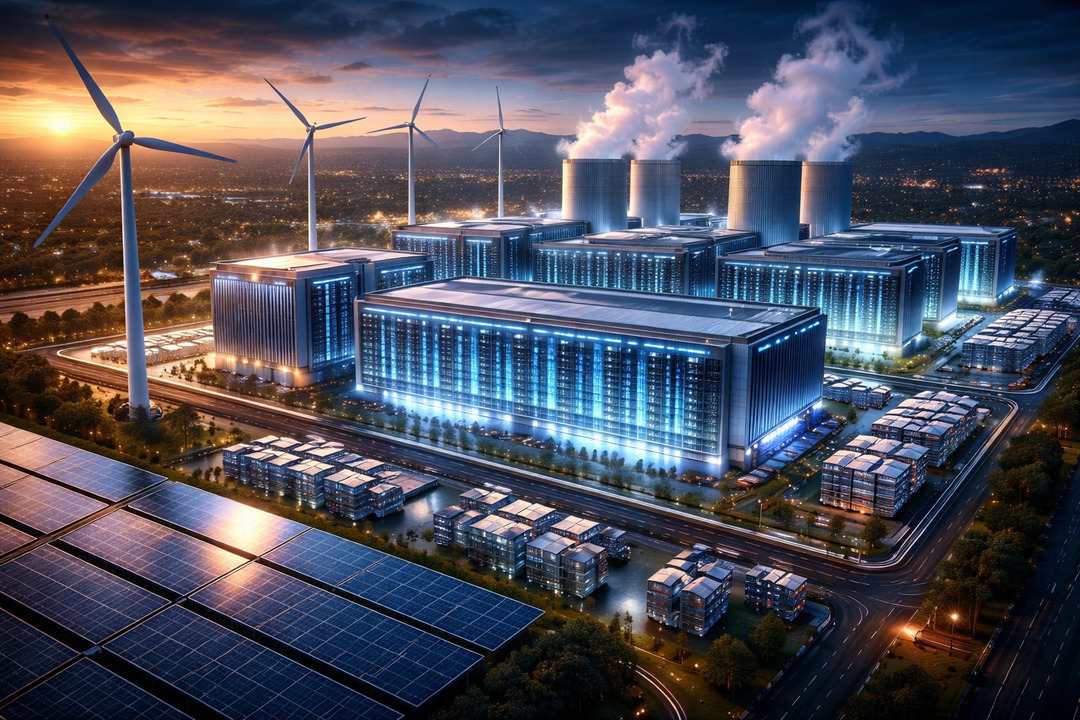
Artificial intelligence has evolved from niche technology to the foundation of modern digital services. With generative AI, real-time analytics, and widespread automation, the demand for supercharged computing continues to skyrocket. At the heart of this technological revolution lies an expanding network of AI data centers facilities both powering progress and challenging global energy systems.
Why AI Data Centers Consume So Much Power
AI-focused data centers differ fundamentally from traditional server facilities. Training and running large-scale AI models requires immense computational power, with vast datasets processed across thousands of high-performance GPUs and specialized AI accelerators often operating non-stop for days or weeks.
This intense activity creates two primary energy challenges:
- Increased hardware power draw: Advanced chips consume substantially more electricity than older infrastructure.
- Demand for cooling: The heat generated by tightly packed processors requires extensive cooling technology to maintain safe operating conditions.
Together, these factors mean AI data centers use far more electricity than conventional cloud infrastructure, sometimes placing tremendous strain on local and regional power grids.
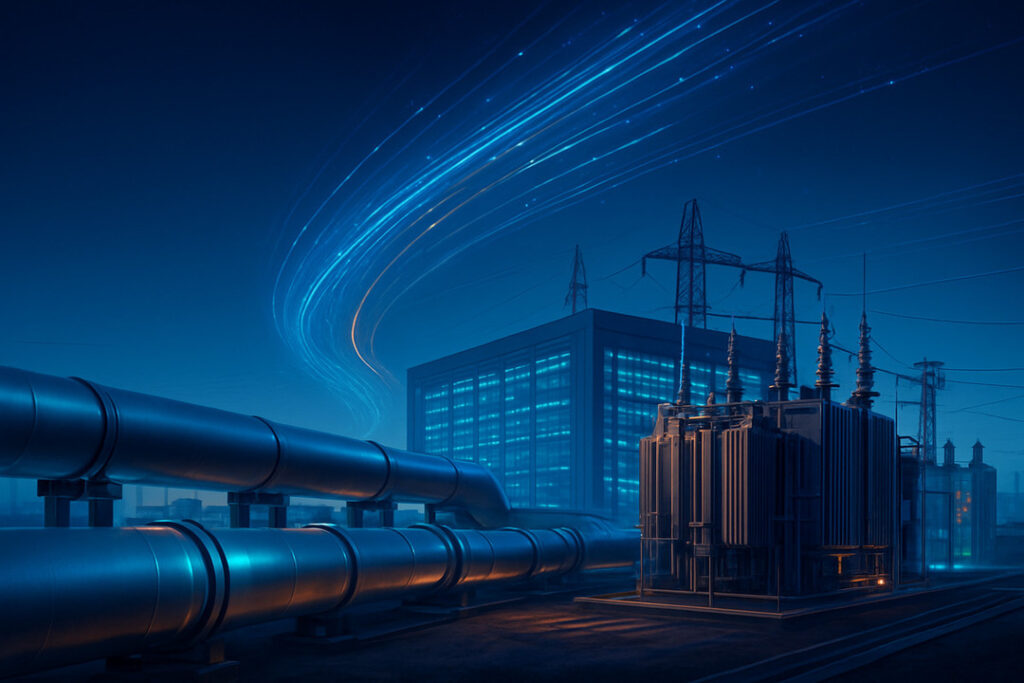
A Growing Strain on Power Grids
With the accelerating adoption of AI, power demand in data center hotbeds is reaching new highs. Utilities and governments are grappling with unprecedented electricity loads:
- Some regions are forced to delay or limit new data center projects due to grid capacity issues.
- In other areas, authorities are introducing new regulations and planning requirements to prevent overloads.
The stakes are high not just technically, but strategically. Regions that can support large-scale AI infrastructure stand to gain a global economic edge, making energy access a pivotal factor in digital development and geopolitical influence.
Pushing Toward Sustainable Power Solutions
With energy use rising so rapidly, AI data centers face growing scrutiny over their environmental footprint. The risk of ballooning carbon emissions is prompting an industry-wide push for green solutions:
- Renewable Energy: Solar, wind, and hydroelectric sources are being incorporated into more data center projects than ever before.
- Long-term Power Purchase Agreements: Companies are locking in clean energy supplies to power new facilities.
- Energy storage innovation: Technologies like industrial batteries help smooth fluctuations in renewable generation, providing reliable backup.
In this climate, sustainability is not a public relations gesture it’s a precondition for scaling new AI infrastructure responsibly.
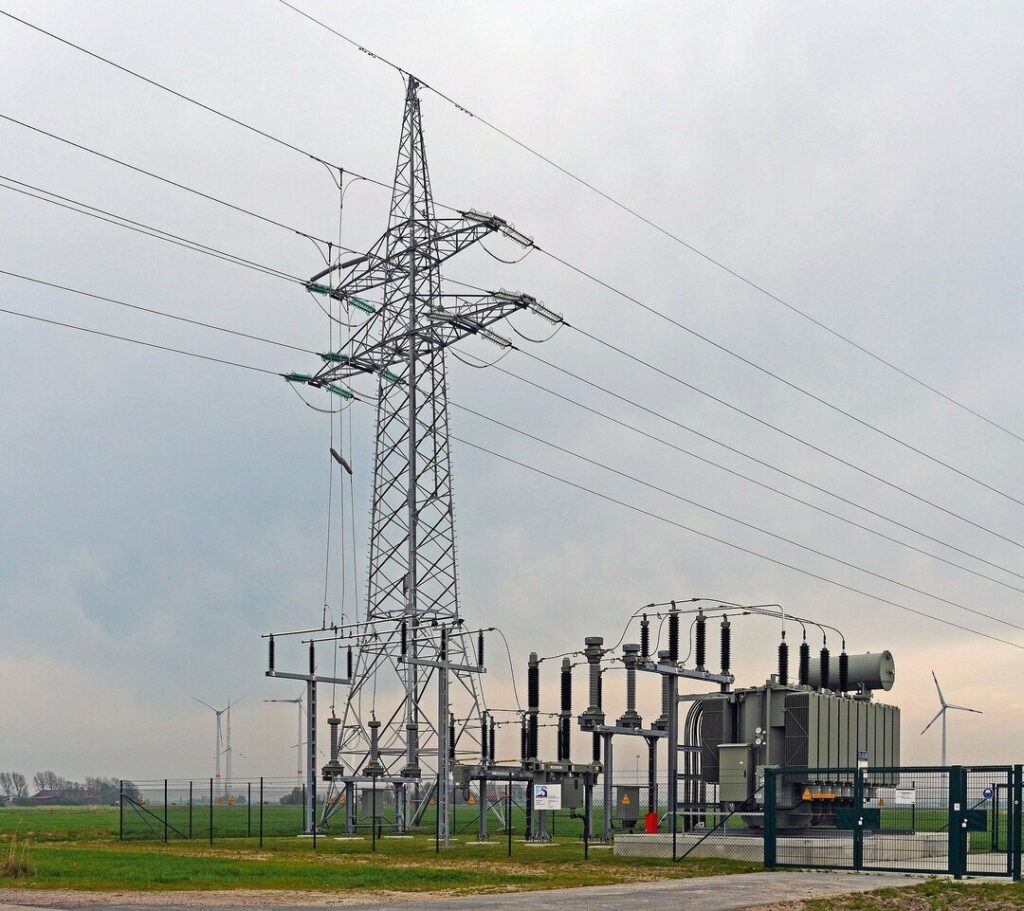
Next-Generation Cooling Technologies
A major piece of the data center energy puzzle rests with cooling systems. The sheer heat output from AI workloads is challenging the limits of classic air-based cooling:
- Liquid cooling: Circulating coolant directly over hot chips is emerging as a far more efficient solution.
- Immersion cooling: Some companies now submerge server components in thermally conductive fluids, further boosting efficiency and enabling denser data center designs.
These methods not only save power but are redefining how data centers are built for the AI era.
Changing Data Center Locations
Energy considerations are shifting the global geography of data centers. Whereas proximity to major cities or internet hubs once reigned supreme, power availability now plays a decisive role. This trend includes:
- Siting facilities near renewable energy sources (wind, hydro, solar-rich areas)
- Developing in cooler climates to reduce external cooling needs
As a result, regions with abundant clean energy and natural cooling are becoming preferred destinations for new digital infrastructure.
Industry and Government Responses
As the scale of AI infrastructure grows, public and private sectors are joining forces to address the energy challenge.
- Policy interventions increasingly require data centers to meet energy efficiency or sustainability standards.
- Tech companies are investing heavily in R&D, infrastructure upgrades, and advanced grid partnerships to balance demand and supply.
- Transparency and accountability are rising priorities, with firms being pressed to report energy consumption and carbon impact.
These changes point toward an industry that is not only larger—but more conscious and responsible.
The Path Forward for AI and Energy
The tight bond between AI growth and electricity use is set to shape the future of innovation itself. As models become more complex, the need for efficiency both in hardware and software becomes increasingly urgent. At the same time, new approaches in cooling, energy sourcing, and operations are enabling a more balanced evolution.
Researchers and engineers are also exploring ways to design AI algorithms that do more with less, boosting model efficiency while preserving performance.
Powering the Next Digital Revolution
The explosive growth of AI data centers in 2026 represents a pivotal moment for both technology and global infrastructure. No longer a background concern, energy availability is now central to decisions about where and how digital services expand.
While soaring demand presents profound challenges, it also offers a chance to rethink the future placing sustainability, innovation, and adaptability at the forefront. The story of AI’s next chapter will not only be written in lines of code, but in the smart, responsible choices made about the power that fuels it.