

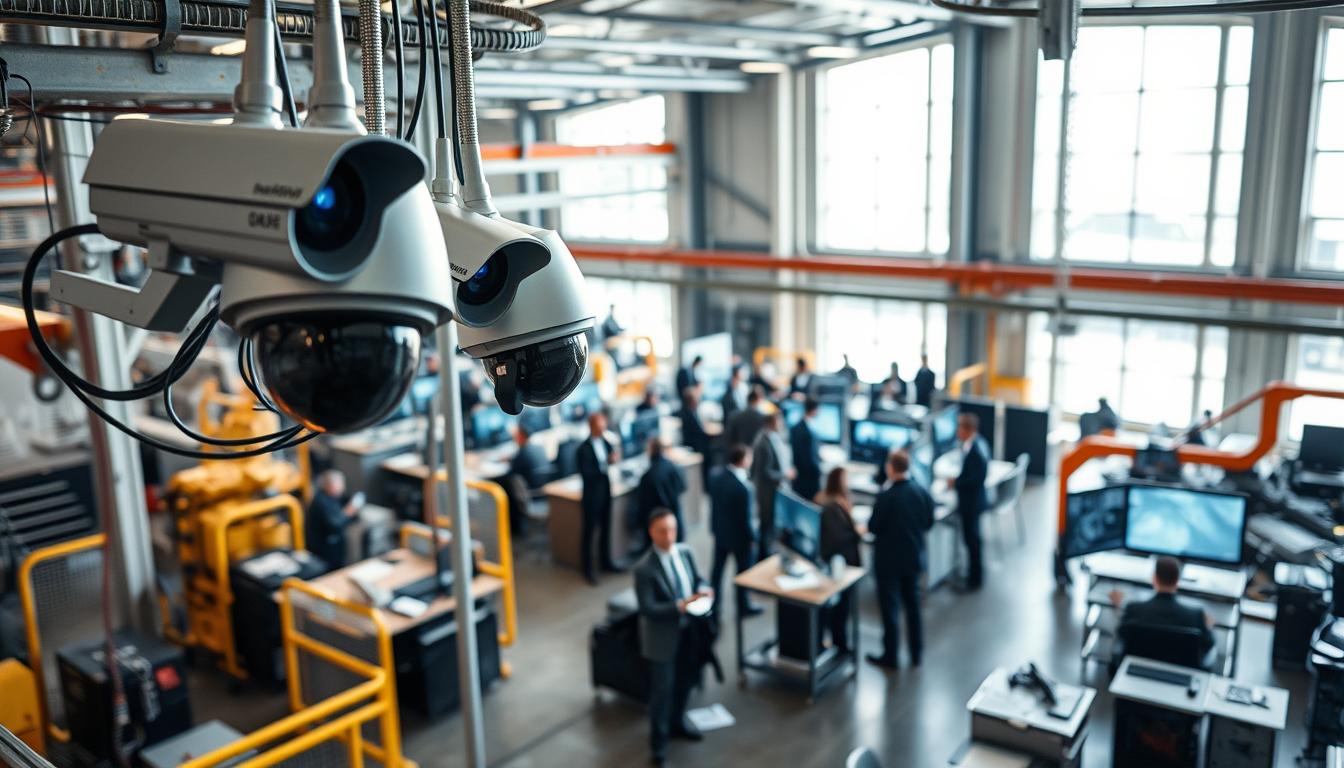
Remember when factory cameras were just expensive paperweights that recorded grainy footage? Those days are gone faster than a coffee break during peak production. Today’s industrial cameras have evolved from passive observers to active participants with computational superpowers.
We’re not just mounting security devices anymore – we’re deploying digital sentinels that think, analyze, and respond. These systems process information locally through edge video analytics, turning raw footage into real-time intelligence. No more waiting for cloud servers to ponder suspicious shadows.
The transformation is nothing short of revolutionary. Modern systems can differentiate between hostile and benign interactions while predicting breaches before they happen. It’s like having Sherlock Holmes on your security team, but without the dramatic coat and pipe.
This shift from reactive monitoring to proactive prevention represents a paradigm change in industrial operations. As highlighted in this analysis of intelligent systems, the implications extend far beyond basic security into quality control and operational efficiency.
Edge-Based Processing
Welcome to a world where factory cameras are smarter than many college graduates. And they work for free. Edge-based processing turns regular surveillance into smart industrial video IoT. It’s like giving your security system a caffeine boost without the side effects.
These systems use special hardware like NVIDIA Jetson and Texas Instruments TDA4VM chips. They process data right where it’s needed, not in the cloud. This means they work much faster than old systems.
They use less bandwidth than old systems. This means your data stays safer, like a secret diary. It’s all about keeping your information private.
These systems react in milliseconds. They go from detecting a problem to fixing it faster than you can say “productivity boost.” It’s not just watching; it’s preventing big issues before they start.
Modern edge video analytics technology is a perfect mix of speed and smarts. It’s like having a team of experts working non-stop, without breaks or extra pay.
Industrial operations get real-time insights that cloud processing can’t match. The system learns, adapts, and responds. All while keeping your data safe and your operations running smoothly.
Security Use Cases
Edge camera use is moving from science fiction to real-life heroics. We’re not just watching videos anymore. We’re stopping problems before they start.
Imagine a security guard who never gets tired, never takes breaks, and can spot an intruder better than anyone. That’s what edge camera systems can do today.
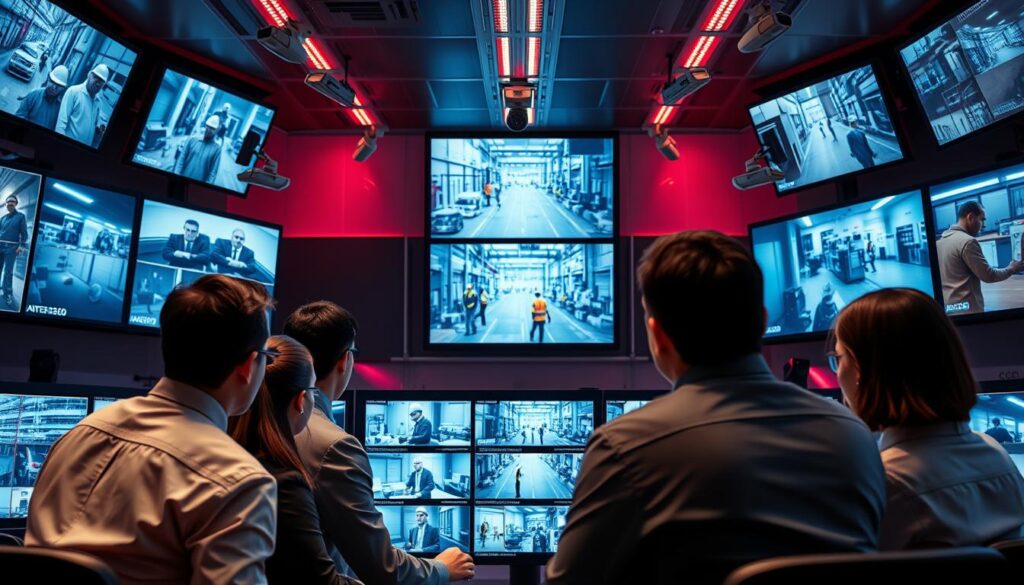
Facial recognition is a game-changer. It’s like having a bouncer who remembers everyone and works all the time. These systems don’t just see faces; they understand the situation.
What makes new security systems different? Intelligent threat detection that knows the difference between a late worker and an intruder. It looks at how people move and knows when something’s off.
Perimeter protection gets a big boost too. We’re talking about digital fences with smart guards that never sleep. They watch your area all the time, alerting you to any threats early.
The best part of edge camera use? It’s about stopping problems before they happen. Unlike old systems that just record, these systems act to prevent crimes.
From factories to office buildings, these systems are changing how we protect places. It’s not just watching; it’s understanding, analyzing, and acting. That’s security worth investing in.
Quality Monitoring
Ever watch a production line and think, “This could use more obsessive-compulsive perfectionism”? That’s where edge video analytics comes in. It’s like having Sherlock Holmes check your widgets digitally. These systems find defects and explain why they happen with great detail.
Imagine spotting tiny flaws at high speeds and understanding patterns that humans can’t see. It’s like having inspectors who never get tired or make mistakes. Their work is always perfect.
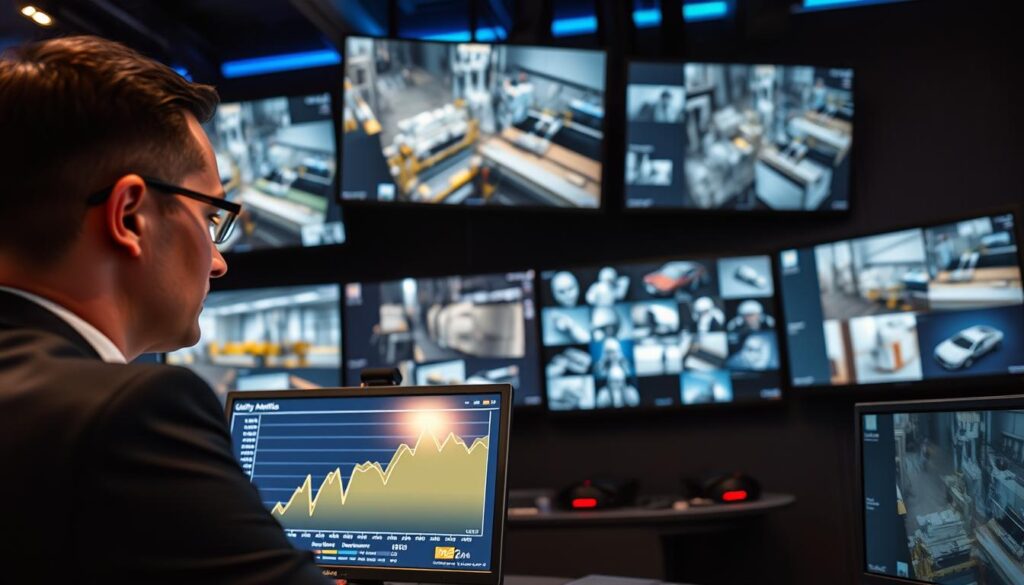
The magic is in the data patterns. These systems don’t just reject bad products. They figure out why they were flawed. Was it a machine problem, bad material, or human error? This info helps make things better and better.
Modern places use edge computing for top-notch quality checks. They track everything from size to finish, making a digital mark for each item.
| Traditional QC | Edge Video Analytics | Improvement Impact |
|---|---|---|
| Sampling-based checks | 100% inspection coverage | Eliminates defect escape |
| Subjective human judgment | Objective measurement standards | Consistent quality standards |
| Delayed defect discovery | Real-time rejection | Reduces waste immediately |
| Limited data collection | Comprehensive analytics | Enables root cause analysis |
This method does more than just find errors today. It keeps getting better, setting new standards for quality. It’s quality control that keeps getting better, thanks to data.
It also helps understand customer habits and improve operations. It’s like having a manufacturing guide that always knows what to do next. It’s the closest thing to knowing the future of manufacturing.
Verified Results
Let’s look at the numbers – the kind that make spreadsheet nerds blush and CFOs do victory laps. When it comes to industrial video IoT, the results speak louder than any marketing hype.
I’ve seen factories change from quality-control disaster zones to precision-engineered marvels. We’re talking about defect reduction rates that would make Six Sigma consultants weep with joy. Some facilities report 40-60% fewer quality issues within months.
The Vodeo case study is like a productivity thriller. Their platform didn’t just optimize content delivery – it revolutionized it. Imagine cutting response times from minutes to milliseconds. That’s not incremental improvement; that’s changing the fundamental laws of physics in your operation.
Here’s where the magic really happens: ROI calculations that would make Warren Buffett nod approvingly. These systems pay for themselves faster than you can say “viral TikTok challenge” – typically within 6-12 months through:
- Dramatically reduced material waste
- Near-elimination of costly production errors
- Optimized energy consumption
- Massive reduction in safety incidents
The real-time processing capabilities aren’t just technical specs – they’re game-changers. Imagine catching a microscopic defect before it becomes a thousand defective units. That’s the power we’re talking about.
And let’s address the elephant in the server room: data privacy. With on-premises industrial video IoT systems, your sensitive footage never leaves your facility. That’s not just compliance – that’s competitive advantage in an era where data breaches make headlines faster than celebrity scandals.
The reduced latency factor? It’s the difference between stopping a problem and watching it become a catastrophe. We’re talking about response times so fast they make traditional monitoring systems look like they’re moving through molasses.
Vodeo’s implementation proved something remarkable: intelligent video processing can outperform entire teams of efficiency experts. Their analytics didn’t just identify bottlenecks – they predicted them before they occurred, creating a self-optimizing system that continuously improves itself.
These aren’t theoretical benefits. They’re measurable, bankable improvements that show up where it matters most – the bottom line. Factories using industrial video IoT report productivity gains that would make their competitors genuinely nervous if they knew the numbers.
The best part? This technology scales from small operations to massive industrial complexes. Whether you’re making microchips or potato chips, the principles deliver results that convert even the most skeptical engineers into true believers.
So when we talk about verified results, we’re not discussing marginal improvements. We’re talking about transformational changes that redefine what’s possible in industrial operations. The data doesn’t lie – it just makes traditional methods look embarrassingly outdated.
How to Start
So, you’ve learned how edge camera use changes security and quality monitoring. Now, it’s time to start. Don’t worry, you won’t become a tech wizard overnight. It’s like learning to cook – start with one recipe before tackling the whole menu.
Forget the “rip and replace” hassle. Modern systems like TechNexion’s ROVY-4VM work with what you already have. It’s like upgrading your current setup to a pro in real-time video processing without the cost.
Choose one problem to solve first. Maybe it’s a quality control issue or a security gap. Test the edge camera use on a small scale before expanding. This way, you can see if it works without risking everything.
Working with experts in edge video analytics for nearly two decades can save you. They know the ropes and can help you avoid common mistakes. Remember, you don’t want to be the one who tried to DIY industrial systems.
The right edge camera use strategy is like hiring a digital team that never gets sick. Start small, dream big, and watch your operations change with each smart camera you add.



