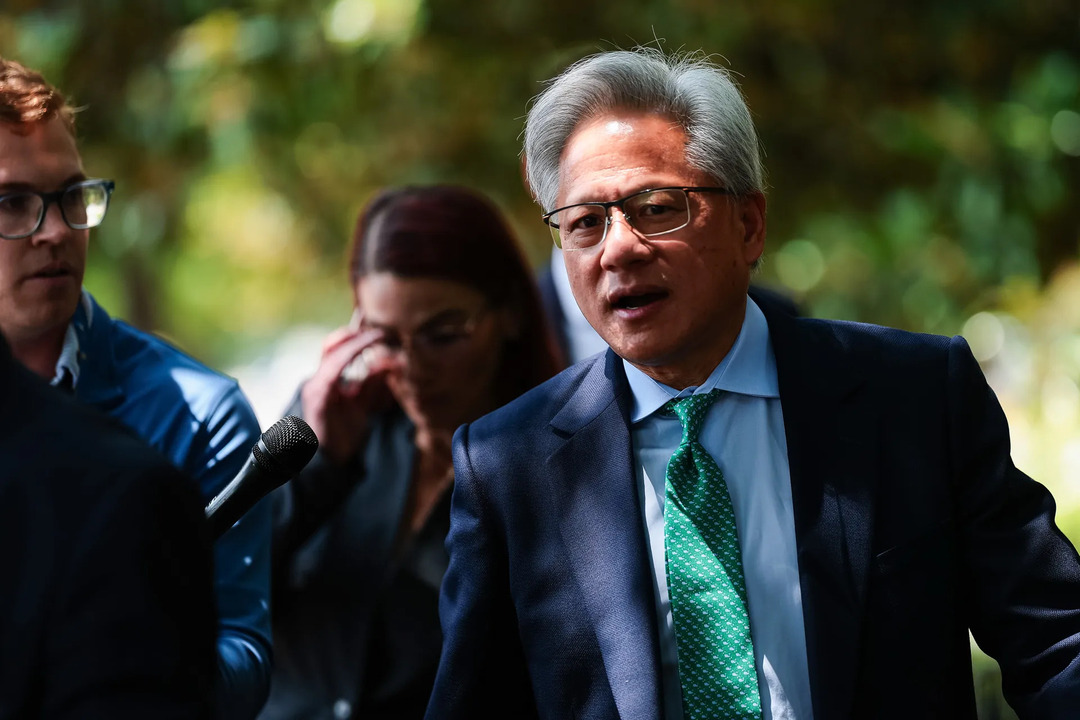
Nvidia CEO Jensen Huang and the world’s leading AI chipmaker are facing a shareholder lawsuit amid allegations involving a suspected Chinese intelligence operative, an important Nvidia customer and possible violations of U.S. semiconductor export restrictions. The developing controversy has raised questions about corporate disclosure, national security and oversight of the AI hardware supply chain.
The Nvidia CEO shareholder lawsuit was filed on November 9, 2026, in the U.S. District Court for the Northern District of California. The federal securities complaint accuses Nvidia and Huang of misleading investors about his reported relationship with Alice Huang, a former executive of Singapore-based data-center company Megaspeed International. The claims remain unproven, and this is a lawsuit brought by a shareholder, not by Nvidia’s customers.
The dispute arrives at a sensitive moment for the AI industry. Nvidia’s accelerators are central to the infrastructure used by cloud providers, AI developers and large data centers. Questions about customer relationships and compliance with export restrictions therefore have implications beyond the company’s immediate legal exposure.
HW Server’s earlier analysis of Nvidia GPU-backed AI financing examined how investors and lenders are increasingly exposed to the economics of expensive accelerator infrastructure. The current lawsuit introduces a different category of uncertainty: whether corporate disclosures and compliance oversight adequately reflect risks associated with key business relationships.
What the Nvidia CEO Shareholder Lawsuit Alleges
The proposed class action was filed by investor Mark Kistenmacher against Nvidia Corporation and Jensen Huang.
The complaint alleges that the defendants issued misleading statements or failed to disclose information concerning Huang’s personal relationship with Alice Huang and Nvidia’s dealings with Megaspeed.
According to the filing, the relationship raised potential national-security and business risks that investors should have been able to evaluate.
The lawsuit specifically challenges earlier Nvidia assurances concerning Megaspeed, including statements that the company had reviewed the customer’s operations and had not found evidence that its chips were being diverted illegally to China.
The plaintiff argues that these statements were misleading because of Huang’s undisclosed personal relationship and the reported intelligence concerns surrounding the former Megaspeed executive.
The central legal issue is investor disclosure, not an established finding that Nvidia participated in espionage or deliberately violated export regulations.
The complaint cites Sections 10(b) and 20(a) of the Securities Exchange Act of 1934 and SEC Rule 10b-5. It seeks unspecified damages for investors who acquired Nvidia securities during the proposed class period of October 9, 2025, through November 8, 2026.
The lawsuit is at an early stage, and the allegations have not been adjudicated.
Alleged Chinese Intelligence Ties Draw Federal Scrutiny
The controversy intensified after news reports identified Alice Huang, formerly associated with Megaspeed International, as a person suspected by U.S. intelligence officials of gathering information for Beijing.
Those allegations have not been established in court, and China has rejected the espionage accusations.
On November 8, Jensen Huang acknowledged being unfaithful to his wife in a message published to Nvidia employees. He apologized to his family, colleagues, board members and shareholders and said he would cooperate with the company’s investigation. His public message did not identify the woman by name.
The reported intelligence concerns are connected to Megaspeed because the Singapore-based company has purchased Nvidia AI hardware and has faced scrutiny over whether advanced chips could be reaching restricted Chinese buyers.
The federal inquiry must also be distinguished from the shareholder case.
President Donald Trump said on November 9 that the FBI was looking into the matter. Separately, CBS News reported that federal law-enforcement sources confirmed a Justice Department National Security Division investigation into Megaspeed over potential violations of U.S. export restrictions.
These reports do not establish that Huang committed a crime, that Alice Huang engaged in espionage, or that Megaspeed violated export law.
Nvidia’s Board Opens Independent Investigation
Nvidia’s directors announced an independent review on November 8, following reports that Huang may have been targeted by a foreign intelligence operation.
In its official board statement, Nvidia said a committee of independent directors, supported by outside legal counsel, would examine the available information.
The board stated that it had no reason to believe Nvidia’s confidential information or U.S. national security had been compromised.
Directors also expressed confidence in Huang and his leadership team, while confirming his commitment to cooperate with the review.
That response is significant because an investigation is not proof of wrongdoing. It establishes that Nvidia considers the reported concerns serious enough to examine independently, without confirming the allegations.
The scope and findings of the review will matter to investors evaluating the company’s management and oversight arrangements.
Why AI Chip Export Controls Are Central to the Controversy
Advanced AI processors are strategically important because they enable large-scale model training, inference and high-performance computing.
The United States has imposed licensing requirements and other restrictions on exports of certain high-performance semiconductors to China. Those rules vary by product, destination, end user and applicable licensing conditions.
This makes the identity and activities of companies purchasing powerful accelerators particularly important.
A data-center operator can be headquartered outside China while still raising compliance questions about its ownership, customers, deployments or subsequent transfers of controlled equipment.
However, a suspected diversion is not a proven shipment.
Establishing an actual export-control violation would require evidence about the equipment involved, its classification, the relevant transactions, licensing requirements and its ultimate destination or use.
For Nvidia and its customers, the controversy illustrates the importance of accurate end-user information and reliable oversight of commercial relationships.
It does not establish that Nvidia GPUs are technically insecure, defective or compromised.

What the Case Means for AI Data Centers and Investors
For AI infrastructure operators, the immediate concern is not whether installed GPUs have suddenly become unsafe to operate.
The more relevant questions involve regulatory compliance, supply-chain transparency and the stability of relationships supporting large hardware deployments.
Organizations purchasing or financing AI servers can consider whether their procurement arrangements provide adequate information about equipment ownership, licensed destinations, resale restrictions and supplier responsibilities.
The distinction matters because a regulatory investigation into a chip distributor or data-center customer is different from discovering a vulnerability in the chip itself.
There is also a financial dimension.
Neither development establishes that deployed Nvidia infrastructure will stop functioning.
Instead, they demonstrate how the economics of AI infrastructure depend on factors beyond hardware performance.
Nvidia Shares Fall as Legal Questions Continue
Nvidia shares declined approximately 4.3% on November 9, closing at $178.67 and reducing the company’s market capitalization by roughly $190 billion.
The share-price decline followed the company’s announcement of an independent investigation and the resulting controversy.
The shareholder complaint was filed after the regular stock-market session closed that day. It would therefore be inaccurate to attribute Monday’s share-price decline to the filing itself.
Investors now face several unresolved questions about what the board’s review will establish, whether regulators identify violations and how the proposed shareholder case will progress.
The outcome remains uncertain. Allegations in a civil complaint do not establish securities fraud, and reported intelligence concerns do not establish criminal wrongdoing.
For the AI industry, the lasting significance may lie in how Nvidia and other major hardware suppliers demonstrate that commercial relationships, export compliance and corporate oversight can withstand scrutiny.
Nvidia’s technology remains central to modern AI infrastructure. The developing case is a reminder that confidence in that infrastructure also depends on transparency, accountable governance and evidence-based security controls, not simply the performance of the chips themselves.