The technology world moves quickly, but occasionally a development appears that signals something much bigger than a routine corporate announcement. The headline Meta signing massive AI infrastructure deal is one of those moments. As artificial intelligence continues transforming industries, the demand for computing power has reached unprecedented levels, and companies are racing to secure the resources needed to stay competitive.
When I first began examining the details behind Meta signing massive AI infrastructure deal, it became clear that this agreement reflects a much larger shift taking place across the global technology landscape. Artificial intelligence is no longer simply a software challenge it is increasingly an infrastructure challenge.
Behind every advanced AI model lies enormous computing power, and companies like Meta Platforms are investing billions to ensure they have the capacity needed to train and deploy the next generation of intelligent systems.
Understanding the Scope of the Deal
The story of Meta signing massive AI infrastructure deal centers on a multibillion-dollar agreement between Meta and a rapidly growing cloud infrastructure provider. The arrangement focuses on securing large-scale data center capacity specifically optimized for artificial intelligence workloads.
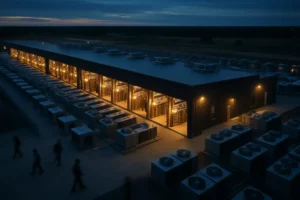
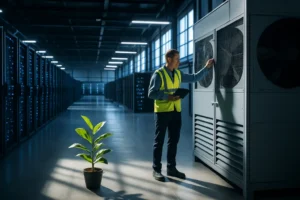
Unlike traditional data centers designed primarily for web hosting or basic cloud services, AI data centers rely on specialized processors, high-speed networking, and advanced cooling systems. These facilities contain thousands of high-performance graphics processing units (GPUs) capable of performing the complex calculations required for machine learning.
Industry analysts estimate that the value of this infrastructure deal could reach tens of billions of dollars over several years, highlighting the immense financial stakes involved in the global AI competition.
For Meta, this investment represents a critical step in expanding its AI capabilities across social media platforms, digital advertising systems, and emerging technologies such as virtual reality.
Why AI Requires Massive Computing Power
To fully understand the significance of Meta signing massive AI infrastructure deal, it helps to examine how modern AI systems operate.
Large-scale artificial intelligence models especially those used in generative AI, language processing, and computer vision require enormous amounts of data and computational resources during training. These models learn by analyzing billions of parameters, which means they must process vast datasets repeatedly.
Each training cycle can require thousands of GPUs running simultaneously for weeks or even months. Without specialized data centers, developing these advanced systems would be nearly impossible.
This is why major technology companies are investing heavily in AI infrastructure. The organizations that control the largest and most efficient computing networks will have a significant advantage in building future AI systems.
The Role of AI Data Centers in the Tech Economy
Another reason Meta signing massive AI infrastructure deal is attracting attention is the growing importance of AI data centers within the global economy.
Traditional cloud computing facilities already consume large amounts of electricity, but AI clusters are even more demanding. High-performance GPUs generate enormous heat and require sophisticated cooling systems to operate safely.
As a result, modern AI data centers are evolving into what some experts describe as “AI factories” facilities designed specifically to train and run advanced machine learning systems.
These facilities often feature:
- High-density GPU clusters
- Liquid cooling technology
- Ultra-fast networking systems
- Dedicated energy infrastructure
The scale of these operations highlights how artificial intelligence is reshaping the technology industry from the ground up.

Meta’s Broader AI Strategy
The decision behind Meta signing massive AI infrastructure deal aligns with the company’s broader strategy to expand its role in artificial intelligence development.
Meta has been investing heavily in AI research, particularly through projects focused on large language models, recommendation algorithms, and immersive digital environments.
Artificial intelligence already powers many of Meta’s existing services, including content recommendations across platforms like Facebook and Instagram.
However, the next generation of AI tools such as conversational assistants, creative content generators, and augmented reality systems will require far greater computing capacity.
By securing additional infrastructure, Meta is positioning itself to compete with other technology giants pursuing similar AI ambitions.
The Global Competition for AI Infrastructure
Meta is not alone in this effort. Technology leaders around the world are racing to build or lease new AI data centers.
Companies such as Microsoft, Google, and Amazon are investing heavily in high-performance computing infrastructure capable of supporting massive AI workloads.
This competition is often described as an AI arms race, where computing power becomes a strategic advantage.
Governments are also paying close attention. Artificial intelligence is increasingly viewed as a critical technology with implications for economic growth, national security, and scientific innovation.
For readers interested in understanding how AI infrastructure shapes the technology industry, the Meta signing massive AI infrastructure deal insights provided by Nvidia offer valuable information about the hardware powering modern AI data centers.

Challenges Facing the AI Infrastructure Boom
While the excitement surrounding Meta signing massive AI infrastructure deal is understandable, the rapid expansion of AI computing also raises important challenges.
One of the most significant concerns involves energy consumption. AI data centers require enormous amounts of electricity, sometimes comparable to the energy usage of small cities.
This has prompted discussions about how technology companies can expand AI capabilities while maintaining sustainable energy practices.
Another challenge involves hardware supply. High-performance GPUs are in extremely high demand, and production capacity often struggles to keep up with the needs of major technology firms.
These issues highlight the complexity of building the infrastructure required for the future of artificial intelligence.
A Turning Point for AI Infrastructure
Reflecting on Meta signing massive AI infrastructure deal, it becomes clear that this announcement represents more than a simple business transaction.
It is a signal that artificial intelligence has entered a new phase one where computing infrastructure is just as important as software innovation. As companies race to build powerful AI systems, access to massive data centers and advanced processors will determine who leads the next wave of technological progress.
Meta’s investment demonstrates how seriously technology leaders are taking this challenge. The future of AI will depend not only on brilliant algorithms but also on the enormous computing networks that bring those algorithms to life.
In many ways, the story behind Meta signing massive AI infrastructure deal offers a glimpse into the future of the digital world a future where the race for artificial intelligence is powered by vast and increasingly sophisticated computing ecosystems.