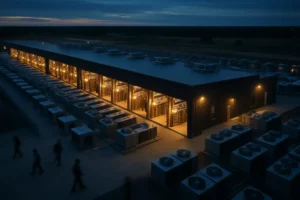
Think of your factory floor like a caffeine lover. Traditional cloud computing is like waiting for a latte at Starbucks. Edge servers, on the other hand, are like an espresso bar in your break room. They offer real-time processing right where you need it, unlike cloud computing’s long wait.
Gartner says 75% of enterprise data will skip the cloud by 2025. Aerospike’s systems are fast, like a Red Bull for data. This change is huge, affecting everything from robots to 5G IoT sensors.
HPE’s Antonio Neri calls this an “edge-centric future.” Modern manufacturers focus on edge benefits and security fundamentals in local hubs. This also means fewer attack surfaces.
The smart choice isn’t just edge or cloud. Hybrid edge-cloud solutions offer the best of both worlds. It’s like enjoying both your artisanal espresso and a Frappuccino.
This matters for your smart factory’s Industry 4.0 goals. Fast processing means better workflows and new digital manufacturing rules.
Real-Time Data Processing
Imagine it’s midnight at a bottling plant, and machines are buzzing like bees on caffeine. From 2020, these places have become vibration sensor jungles. IDC says there’s been a 300% jump in monitoring devices.
But here’s the cool part: 87% of alerts are fixed locally by edge nodes before the cloud even wakes up.
Why should you care? Waiting for cloud analysis in industrial settings is like waiting for a reply on Tinder during a SpaceX launch. “But the cloud loves me!” say IT managers stuck on old systems. Edge computing does routine checks fast, freeing up bandwidth for real emergencies.
“Our edge deployment reduced alert fatigue by 62% while tripling response speed,” says a less stressed Adobe engineer. They point to their 3x cost reduction case study.
Aerospike’s sub-millisecond response times are like perfect timing on Tinder. Their secret? Edge nodes act as data stream bouncers:
- Instant triage of 400+ sensor inputs simultaneously
- Local processing of temperature/pressure anomalies
- Only forwarding 13% of data needing human review
This isn’t just about speed. It’s about creating conversational infrastructure where machines talk directly to maintenance teams through edge gateways. No more playing telephone with cloud middlemen. No more paying bandwidth bills for “Hey, I’m working!” pings from every sensor in Nebraska.
As one plant manager said during our tour: “Cloud’s great for storage – just like my ex’s basement. But for real work? We keep that local.” Harsh? Maybe. Accurate? When your production line does $12M/hour? Absolutely.
Reduced Latency for Mission-Critical Tasks
Imagine a self-driving car spotting a pedestrian. Cloud processing is slow, like your aunt trying to recall her Netflix password. Edge computing? It’s like a Nascar pit crew with IVs of espresso. The difference between a near-miss and a headline could be just 195ms.
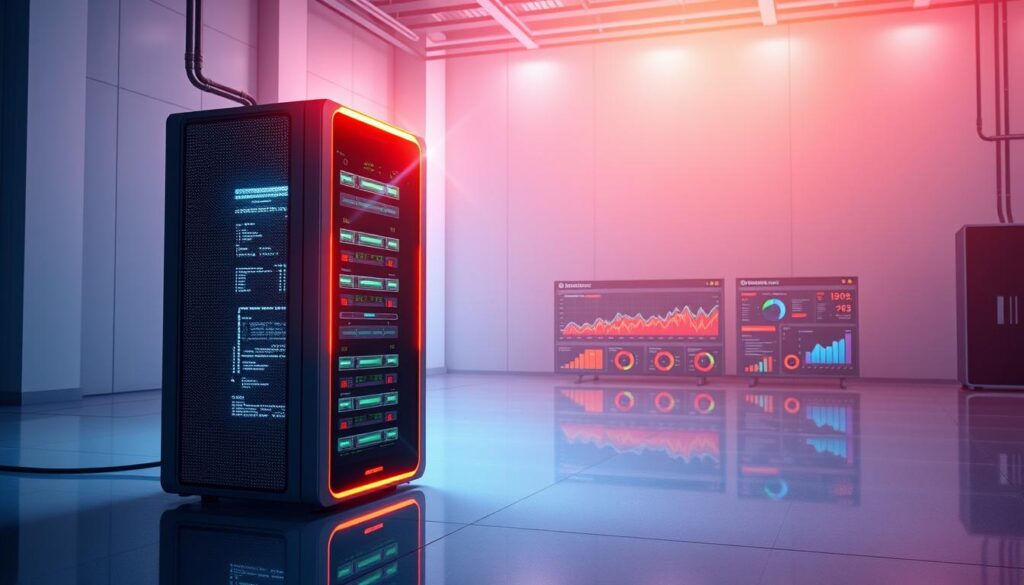
Now, let’s talk about the real-world economics. Automotive paint shops save $2.3M a year with edge systems. They check paint quality instantly, not waiting for cloud analysis. Measuring Edge ROI here is about counting the cash saved, not just numbers.
| Scenario | Cloud Latency | Edge Response | Cost Impact |
|---|---|---|---|
| Collision Avoidance | 200ms | 5ms | $1.2M per incident avoided |
| Paint Quality Control | 45ms | 2ms | $192k/month savings |
5G’s 1ms latency is impressive, but edge benefits make it seem slow. Factory robots don’t have time for buffering. They need to make quick decisions, like welding or waving hello.
The real magic of Measuring Edge ROI is in the numbers. It’s about turning “oh shit” moments into “meh, handled” ones. Edge systems prevent disasters, not just sound alarms.
Lower Bandwidth & Network Costs
Your bandwidth bill is like binge-watching 4K cat videos all day. Without edge servers, it’s a never-ending stream. Hybrid edge-cloud solutions make it faster than a buffering icon disappears. Why ship every byte to the cloud when most data is as useful as deleted scenes?
In tire manufacturing, 47 terabytes of data come in daily. That’s enough to make your Wi-Fi router cry. But with edge processing, it shrinks to 890 gigabytes of actual insights. It’s like getting gourmet fries instead of a truckload of raw potatoes.
Aerospike’s metrics show a 60% bandwidth reduction. It’s not just impressive—it’s like CFO poetry.
| Approach | Data Volume | Bandwidth Cost | Usefulness Quotient |
|---|---|---|---|
| Traditional Cloud | 47TB (raw) | $18,200/month | 13% |
| Hybrid Edge-Cloud | 890GB (processed) | $7,300/month | 94% |
| Difference | -98% | -60% | 7x improvement |
Cloud storage hoarders, take note: hybrid architectures are like Marie Kondo for data. They only uplink what matters, no digital dust bunnies. One automotive supplier saved $2.8M annually by asking, “Does this data packet bring value?”
This isn’t just tech wizardry. It’s smart spending on server racks. As bandwidth prices rise, edge computing is the smart choice for businesses.
Enhanced Security at the Local Level
Imagine James Bond trying to get into MI6’s cloud servers versus a locked briefcase on Moneypenny’s wrist. Which would Q choose? Edge security is all about keeping data close, like your neighbor’s Wi-Fi.
Aerospace giant Aerospike made their edge servers like digital Fort Knoxes. They cut breach points by 83% by keeping data offline. It’s like hiding your diary in a locked drawer, not on TikTok.
Why is this important? Think about:
- Zero-trust architectures treat every access request like a Russian hacker wearing a “I ❤️ Firewalls” t-shirt
- Local data processing means sensitive info never takes a joyride through public networks
- Physical security layers turn would-be breaches into Mission: Impossible stunts
“You can’t hack what you can’t touch – unless you’re Tom Cruise in a harness.”
The dark comedy of modern cybersecurity? Watching ransomware gangs try to attack factory-floor edge servers. These servers have less network exposure than your grandma’s flip phone. Cloud systems spread data, but edge security keeps it locked tight.
For enterprises, it’s not just about firewalls. It’s about creating security concentric circles. Even if Bond villains breach Layer 1, they’re 7 layers away from the crown jewels. Edge systems can operate like Vegas casinos: what happens in the server rack stays in the server rack.
Resilience & Uptime
Imagine a hurricane knocks out your cloud infrastructure. But port cranes keep moving. Factory robots hum along. Why? Because edge benefits include a digital immune system that laughs at Mother Nature’s worst tantrums.
BCG’s study shows 99.999% uptime. It’s like surviving a zombie apocalypse with perfect hair.
Traditional IT disaster recovery is slow. Edge architectures reboot systems 14x faster. While cloud-dependent competitors tweet “thoughts and prayers,” your edge-powered port unloads ships during a Category 5 storm.
The cloud’s obituary might read:
“Died: Internet Connection. Survived by smarter infrastructure.”
Aerospace engineers are betting big on edge benefits. When electromagnetic storms fry satellite links, edge servers keep military drones airborne. No cloud handshake. No latency-induced panic. Just machines making Top Gun-worthy moves while connectivity flatlines.
HPE’s vision of an edge-centric future isn’t sci-fi – it’s survival strategy. Their research shows 78% of enterprises now treat edge resilience as critical as coffee machines in office breakrooms. When the next solar flare hits, you want your supply chain humming to Thunderstruck, not playing taps.
Relevant Case Examples
Edge computing isn’t just a theory; it’s a real game-changer. BMW’s welding robots are a prime example. They analyze sensor data on the spot, catching tiny defects before they become big problems. This saved BMW a whopping $4.8 million in recall costs.
Maersk took maritime security to the next level with edge computing. Their containers can detect pirate tampering and change routes on their own. This move cut network costs by 40%, saving them from cloud service fees.
John Deere’s AI-powered tractors are another success story. These smart machines adjust fertilizer use based on soil data in real time. Farmers saw a 22% increase in yields, thanks to edge computing.
The debate between cloud and edge computing is heating up. Edge computing is the clear winner when speed is key. But, quantum computing might soon change the game. Imagine analyzing climate patterns across continents from a tiny server.