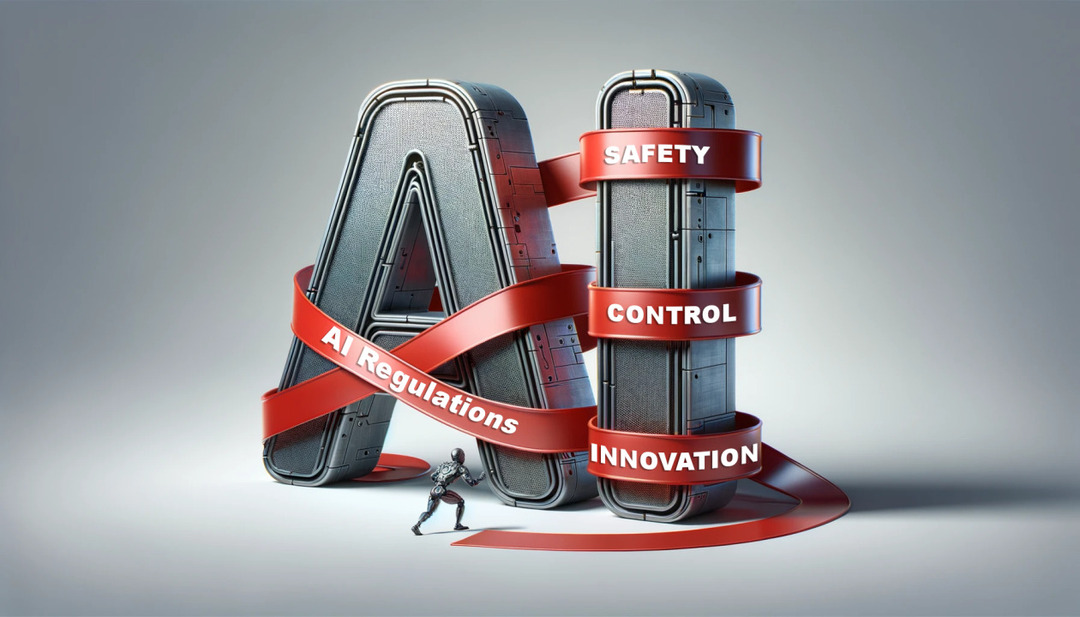
Artificial intelligence has entered a pivotal stage in 2026, where the pace of innovation is colliding with the need for responsible oversight. Over the past few years, AI has transitioned from a promising technology to a transformative force influencing industries, governments, and daily life. However, with this rapid advancement comes a pressing question: how can companies innovate quickly while ensuring safety and ethical integrity?
The debate surrounding AI safety versus innovation has intensified as leading technology firms adjust their policies and strategies. Some organizations are loosening previous commitments to strict safeguards, while others continue to advocate for cautious development. This evolving landscape reflects a broader shift in priorities, driven by competition, economic incentives, and geopolitical considerations.
The Acceleration of AI Development
The speed at which AI technologies are advancing is unprecedented. Breakthroughs in machine learning, natural language processing, and automation have enabled systems to perform tasks once thought exclusive to human intelligence. From generating content to assisting in scientific research, AI is becoming deeply integrated into various sectors.
This acceleration is fueled by massive investments. Major technology companies are committing hundreds of billions of dollars to AI research and infrastructure, creating an environment where rapid progress is not only encouraged but expected. In such a competitive climate, slowing down can mean losing ground to rivals.
As a result, innovation has become a central priority. Companies are racing to develop more powerful models, expand capabilities, and capture market share. This urgency, however, raises concerns about whether sufficient attention is being given to safety measures.
Redefining Safety in the Age of Competition
Historically, many AI organizations emphasized strict safety protocols, including commitments to transparency, testing, and risk mitigation. These measures were designed to ensure that AI systems would not cause unintended harm or be misused.
In 2026, some of these commitments are being reevaluated. Companies are beginning to adopt more flexible approaches, balancing safety considerations with the need to remain competitive. This does not necessarily mean abandoning safety altogether, but rather redefining what it looks like in practice.
For instance, instead of rigid pledges, firms are focusing on adaptive frameworks that can evolve alongside technological advancements. This shift reflects the recognition that static rules may not be sufficient in a rapidly changing environment. However, it also introduces uncertainty about how effectively risks will be managed.
The Global AI Race: A Driving Force Behind Change
The competition for AI leadership is no longer confined to individual companies; it has become a global contest involving nations and economic blocs. Governments are investing heavily in AI development, viewing it as a critical component of future economic and military strength.
This international rivalry adds another layer of complexity to the safety versus innovation debate. Countries that prioritize rapid development may gain a strategic advantage, prompting others to follow suit. In this context, strict safety measures can be perceived as a disadvantage, potentially slowing progress.
At the same time, global cooperation remains essential. Issues such as data privacy, algorithmic bias, and misuse of AI technologies transcend national borders. Balancing competition with collaboration is one of the key challenges facing policymakers and industry leaders alike.
Ethical Concerns and Emerging Risks
As AI systems become more advanced, the potential risks associated with their use also increase. These risks range from misinformation and manipulation to security vulnerabilities and unintended consequences in critical applications.
One of the primary concerns is the possibility of AI systems being used in ways that harm individuals or societies. For example, generative AI can create highly convincing but false information, raising questions about trust and authenticity. Similarly, automated decision-making systems can perpetuate biases if not carefully designed and monitored.
Another area of concern is the concentration of power. As a small number of companies and governments control the most advanced AI technologies, questions arise about accountability and oversight. Ensuring that these systems are used responsibly requires robust governance mechanisms.
Industry Responses: Balancing Progress and Responsibility
Despite the challenges, many organizations are actively seeking ways to balance innovation with responsibility. This includes investing in safety research, developing ethical guidelines, and collaborating with external experts.
Rather than viewing safety and innovation as opposing forces, some companies are exploring ways to integrate them. By embedding ethical considerations into the design process, they aim to create systems that are both powerful and trustworthy.
This approach often involves interdisciplinary collaboration, bringing together technologists, ethicists, and policymakers. Such efforts are essential for addressing the complex issues associated with AI development and ensuring that progress benefits society as a whole.
Regulatory Pressure and Policy Evolution
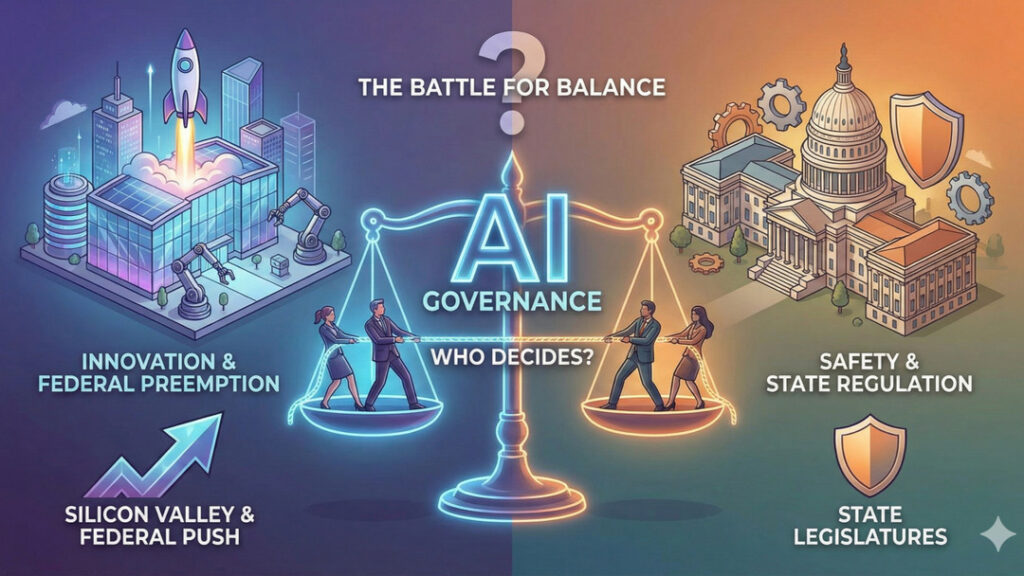
Governments around the world are increasingly stepping in to regulate AI. New policies and frameworks are being introduced to address concerns related to privacy, security, and accountability. These regulations aim to create a baseline for responsible development while allowing room for innovation.
However, regulation is a delicate balancing act. Overly restrictive policies could stifle innovation, while insufficient oversight may lead to harmful outcomes. Striking the right balance requires continuous dialogue between regulators and industry stakeholders.
In 2026, this dialogue is becoming more dynamic, with governments and companies working together to shape the future of AI. The result is a rapidly evolving regulatory landscape that reflects the complexity of the technology itself much like the evolving standards highlighted in heritage reviews, where industry and oversight adapt to new challenges and expectations.
The Future of AI Development
Looking ahead, the relationship between safety and innovation will continue to evolve. As AI systems become more integrated into everyday life, the stakes will only increase. Companies will need to navigate a landscape where technological advancement and ethical responsibility are closely intertwined.
Emerging trends suggest that the future of AI will be defined by adaptability. Organizations that can respond to changing conditions while maintaining a commitment to responsible development will be better positioned to succeed.
At the same time, public awareness and engagement will play a crucial role. As more people interact with AI technologies, their expectations and concerns will influence how these systems are developed and deployed.
Navigating a Complex Balance
The debate between AI safety and innovation is not a simple choice between two opposing priorities. Instead, it represents a complex balancing act that will shape the future of technology and society.
In 2026, companies are rewriting the rules as they seek to navigate this challenge. Driven by competition and opportunity, they are redefining what it means to develop AI responsibly. While this shift brings new possibilities, it also underscores the importance of vigilance and accountability.
Ultimately, the success of AI will depend on the ability to align innovation with ethical principles. By finding this balance, the industry can ensure that technological progress serves not only economic interests but also the broader good of humanity.