The surge in artificial intelligence (AI) applications and the parallel demand for robust computing power have created a transformative moment in digital technology. Organizations across every sector from healthcare and finance to manufacturing and telecommunications are turning to AI-driven servers to harness unprecedented levels of data processing and intelligence. This deep synergy between AI adoption and high-performance infrastructure is propelling the AI server market into an era of explosive growth.
What Is Fueling the AI Server Market Boom?
The remarkable expansion of the AI server market is not limited to investments from Silicon Valley’s tech titans. Companies large and small, spanning many industries, now require advanced servers for tasks like automated image analysis, fraud detection, predictive maintenance, and personalized digital experiences. Unlike traditional enterprise servers, today’s AI servers are optimized for massive datasets and real-time processing, making them indispensable for data-centric organizations.
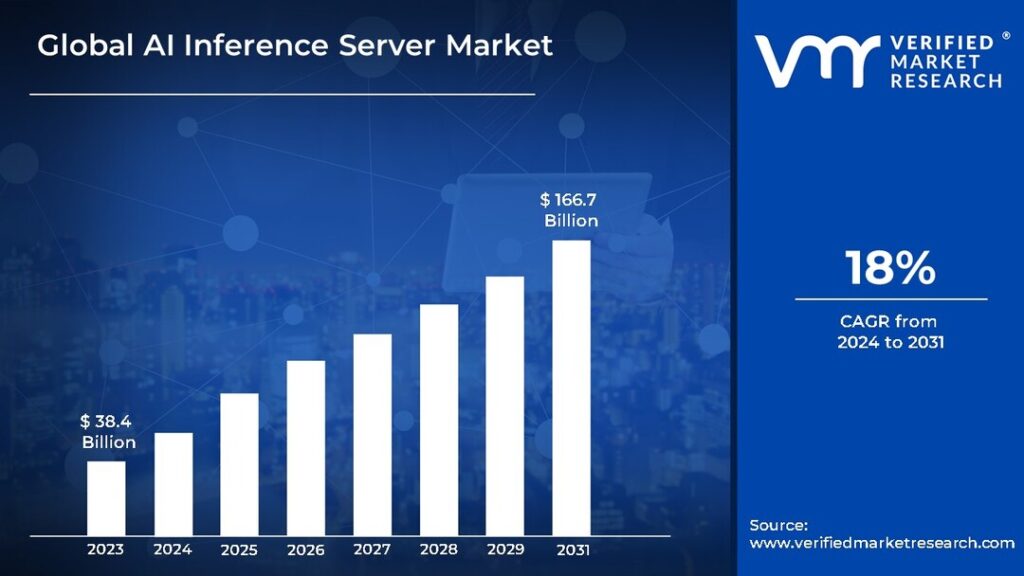
A 2023 report by Grand View Research predicts that by 2030, the AI server market could reach revenues exceeding $854 billion, with a striking CAGR of nearly 38.7%1. This growth far outpaces most sectors of IT infrastructure, indicating the central role AI servers will play in the digital economy.
The Engine Under the Hood: GPU-Driven Servers
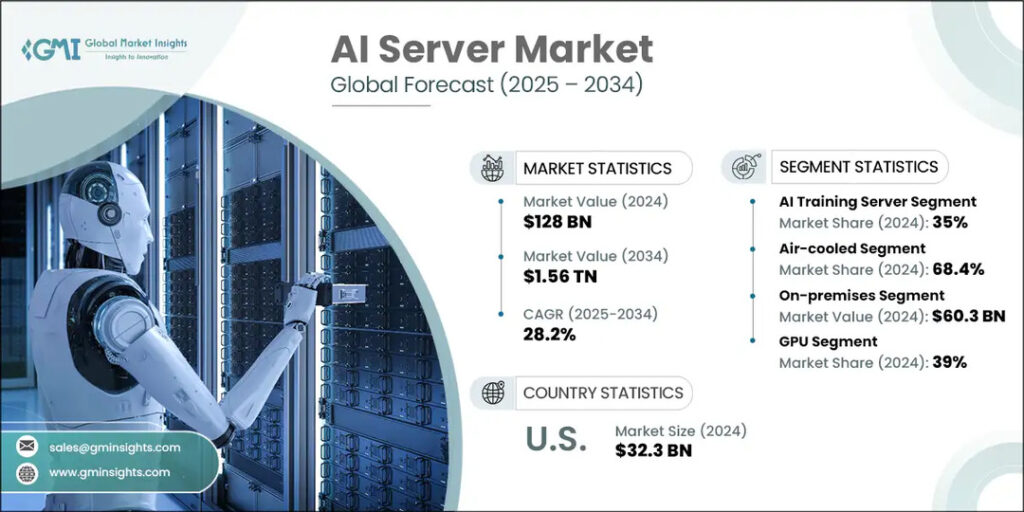
Not all AI servers are created equal. At the heart of this revolution are servers built around graphics processing units (GPUs). By 2025, GPU-powered servers accounted for more than half of all AI server revenue, thanks to their unparalleled ability to handle machine learning and deep learning workloads.
GPUs, like those from NVIDIA and AMD, are particularly adept at parallel processing, which is essential for tasks such as training complex large language models and running next-generation generative AI systems. These servers are now standard in both hyperscale cloud data centers and on-premises enterprise deployments powering everything from conversational AI to computer vision.
NVIDIA’s DGX server family is a standout example of how purpose-built hardware can accelerate AI innovation. These systems blend powerful GPUs, ultra-fast networking, and advanced software stacks to drastically cut training times and boost productivity for research, industry, and cloud service providers.
Beyond GPUs: Specialized Chips Drive Efficiency
While GPUs have dominated, the AI server landscape is evolving with the rise of application-specific integrated circuits (ASICs). ASICs are customized processors tailored for particular AI workloads, offering greater power efficiency than general-purpose chips. As issues like sustainability and rising energy costs take center stage, ASIC-based solutions are expected to see accelerated adoption.
Google’s Tensor Processing Units (TPUs) highlight this trend. Designed to streamline machine learning computations, TPUs deliver industry-leading power savings while supporting some of the world’s most demanding AI operations. Enterprises now leverage TPU-powered servers both in-house and through cloud partnerships, balancing performance with operational cost.
Upcoming Innovations: The Future of AI Servers
As AI deployments become increasingly large and distributed, the next generation of AI server technology is shifting focus from sheer computational muscle to intelligent infrastructure design. Key innovations shaping the future include:
- Smarter Parallelization: Chiplet-based architectures enable more tailored performance per watt and adaptability across diverse AI workloads.
- Accelerated Data Movement: Ethernet-based interconnects and shared memory architectures are reducing latency and boosting throughput.
- Energy-Efficient Components: Adoption of silicon carbide (SiC) and gallium nitride (GaN) power components is improving energy efficiency for dense data center environments.
- Advanced Cooling: Liquid cooling solutions are allowing for higher server density without compromising system reliability.
- Modular Upgrades: Modular server frameworks permit targeted upgrades to memory and accelerators, extending infrastructure lifecycle and investment.
Regional Growth: Global Leaders and Hotspots
North America currently leads the AI server market, fueled by advanced data center infrastructure and demand from major technology companies. Europe is close behind, boosted by innovation in automotive, industrial automation, and research sectors. The Asia Pacific region has seen a surge as well, driven by booming digital economies, expanding ecommerce, and significant investment in entertainment and media AI applications.
Why AI Servers Will Power the Next Digital Revolution
The future growth of the AI server market will be shaped by several core forces:
- Performance: Accelerated server architectures and integrated software to meet the rising scale and speed of AI workloads.
- Efficiency: Next-generation cooling and intelligent power management to reduce operational costs.
- Flexibility: Seamless hybrid deployments—combining cloud and edge servers for tailored performance and security.
- Scalability: Modular designs to support evolving AI requirements and seamless hardware upgrades.
As organizations invest in generative AI, autonomous systems, real-time analytics, and large-scale machine learning, robust and flexible AI servers become not just beneficial, but essential to business strategy and competitive advantage.
The AI Server Market’s Expanding Horizon
With AI server technology underpinning everything from enterprise automation to breakthroughs in scientific research, the market’s explosive growth is set to accelerate. As advanced chips, smarter architectures, and energy efficiency become standard, organizations worldwide are poised to unlock new levels of AI-driven innovation and insight cementing the AI server market as a cornerstone of the digital future.