

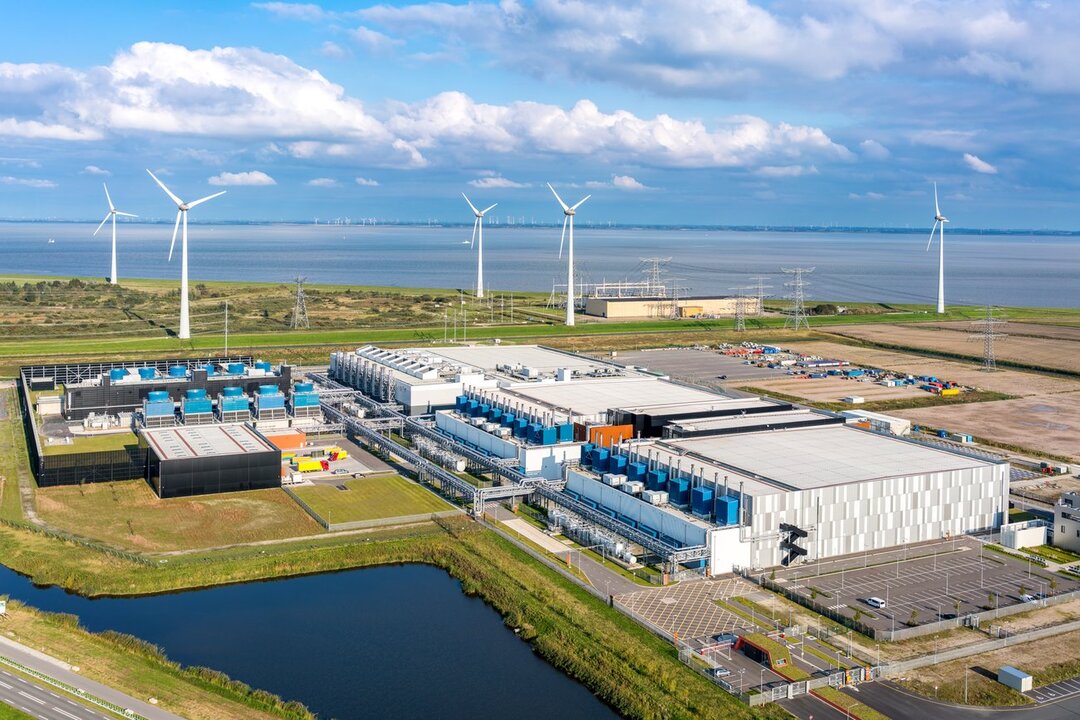
As I follow the rapid expansion of artificial intelligence in 2026, one reality continues to stand out: behind every breakthrough model, chatbot, or automation tool lies an enormous physical infrastructure. That infrastructure AI data centers has quietly become one of the most critical and resource-intensive pillars of the modern economy.
What many people don’t immediately see is the growing tension between innovation and sustainability. The rise of AI is not just a software story; it is increasingly an energy story, one that is beginning to reshape global power demand.
This is where the AI data centers energy crisis begins to take shape not as a distant concern, but as a present-day challenge with real economic and environmental consequences.
Why AI Data Centers Demand So Much Power
At their core, AI data centers are built to handle extremely complex computations. Training large-scale models requires thousands of specialized processors primarily GPUs running continuously for days or even weeks.
From my perspective, the scale is staggering. A single advanced AI training run can consume as much electricity as thousands of households. Multiply that across hundreds of facilities worldwide, and the demand becomes difficult to ignore.
The issue isn’t just the computing itself. These centers also require:
- Advanced cooling systems to prevent overheating
- Redundant power supplies for reliability
- High-speed networking infrastructure
All of these components contribute to an environment where energy consumption is not just high—it’s accelerating.
The Global Energy Strain Is Becoming Clear
Across multiple regions, I’m seeing early signs that AI infrastructure is beginning to influence energy systems in meaningful ways. In some areas, new data center projects are being delayed not because of funding issues, but because local power grids cannot support the additional load.
This shift marks a turning point. For years, location decisions for data centers were driven by connectivity and cost. Today, access to electricity has become the primary constraint.
In fact, insights from the AI data centers energy crisis discussions highlighted by the International Energy Agency suggest that electricity demand from data centers could surge dramatically over the next decade.
From my analysis, this is no longer a niche concern. It is evolving into a global infrastructure challenge.
Tech Giants and the Race for Power
Major technology companies are responding aggressively. Firms like Meta, Google, and Microsoft are investing billions not only in AI but also in securing energy sources.
What stands out to me is how this competition is extending beyond computing power into energy strategy. Companies are:
- Building data centers near renewable energy sites
- Investing in solar, wind, and even nuclear energy
- Developing private power agreements to ensure long-term supply
This shift signals something profound. AI is not just competing for market share it is competing for electricity itself.
Sustainability vs Innovation: A Growing Conflict
One of the most pressing questions I encounter is whether AI’s growth can be sustainable. On one hand, artificial intelligence has the potential to optimize industries, reduce waste, and improve efficiency. On the other, the infrastructure powering it is contributing to increased energy consumption and carbon emissions.
This creates a paradox. The very technology designed to solve global challenges may also be intensifying them if not managed carefully.
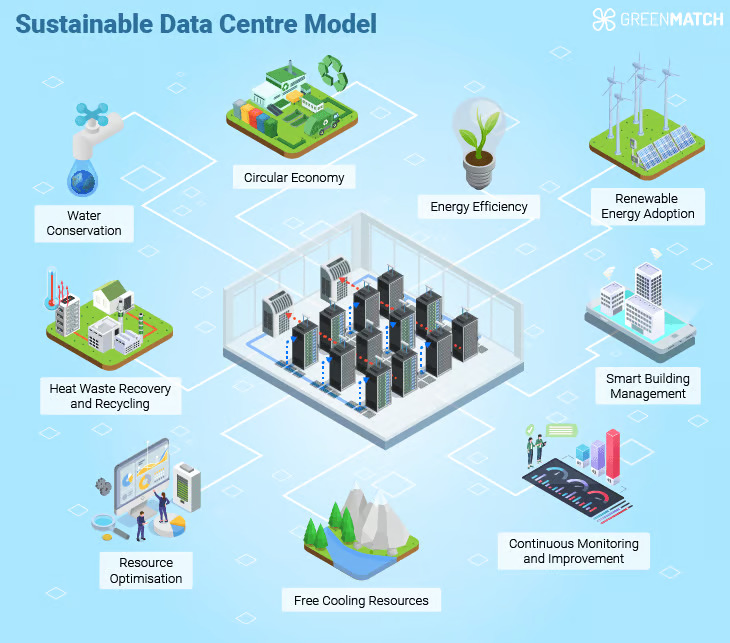
Efforts are underway to address this. Innovations such as liquid cooling, energy-efficient chips, and carbon-neutral data centers are gaining traction. However, from what I observe, these solutions are still playing catch-up to the pace of demand.
The Economic Implications of the Energy Shift
| Factor | Impact of AI Data Centers |
|---|---|
| Electricity Demand | Rapid increase globally |
| Infrastructure Costs | Billions in new investment |
| Energy Prices | Potential upward pressure |
| Regional Development | Shift toward energy-rich areas |
| Sustainability Goals | Increased complexity |
The table above highlights how the AI data centers energy crisis is influencing multiple layers of the global economy. Rising demand can lead to higher electricity prices, affecting both industries and consumers.
Additionally, regions with abundant energy resources particularly renewable energy are becoming more attractive for future development. This could reshape economic activity and investment patterns worldwide.
What This Means for the Future of AI
Looking ahead, I believe the relationship between AI and energy will define the next phase of technological progress. The success of artificial intelligence will depend not only on algorithmic advancements but also on how efficiently we can power it.
Several trends are beginning to emerge:
- Greater emphasis on energy-efficient AI models
- Increased regulation around data center expansion
- Continued investment in renewable energy integration
From my perspective, the companies that succeed in this space will be those that can balance performance with sustainability.
The Cost Behind the Intelligence
As I reflect on the broader picture, one conclusion becomes unavoidable: the rise of AI comes with a cost that extends far beyond hardware and software. The AI data centers energy crisis represents a fundamental challenge at the intersection of technology, energy, and sustainability.
While the opportunities created by artificial intelligence are immense, they must be weighed against the resources required to sustain them. This is not about slowing innovation it is about redefining how innovation is powered.
In 2026, we are witnessing the early stages of this transformation. The decisions made today by governments, companies, and engineers will determine whether AI becomes a force for sustainable progress or a driver of deeper energy strain.
Ultimately, the future of artificial intelligence will not just be written in code. It will be powered by the choices we make about energy, infrastructure, and responsibility.



