
The rapid advancement of artificial intelligence has prompted governments worldwide to confront a pressing question: how can this transformative technology be guided responsibly on a global scale? In a landmark development, more than 80 nations have come together to sign a new international agreement focused on the future of AI. This unprecedented collaboration marks a significant step toward establishing shared principles for the development, deployment, and oversight of artificial intelligence.
As AI continues to reshape industries, economies, and daily life, this global pact signals a growing recognition that international cooperation is essential to ensure that innovation aligns with ethical standards and societal well-being.
A Historic Moment in Global Technology Policy
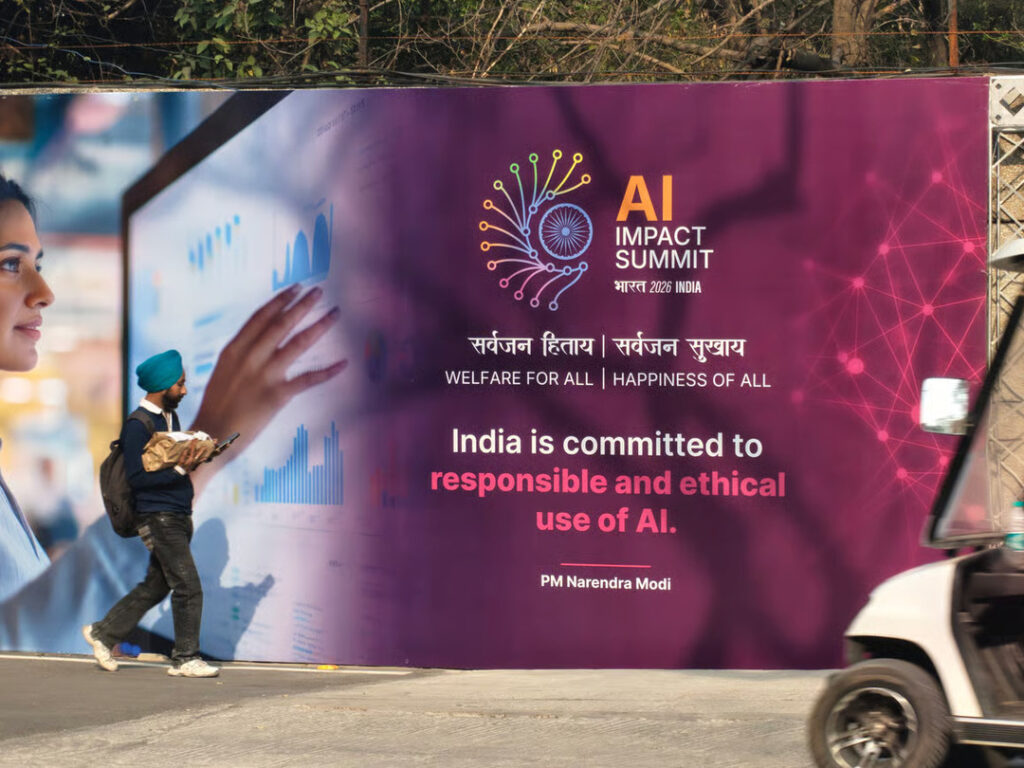
The agreement, signed during a major international summit in 2026, represents one of the most comprehensive efforts to date to address the challenges posed by artificial intelligence. Countries from across the globe including major economic powers and emerging markets participated in the discussions, highlighting the universal impact of AI technologies.
Unlike previous initiatives that were limited to specific regions or alliances, this agreement reflects a broader consensus. It acknowledges that AI development is no longer confined to a handful of nations but has become a truly global phenomenon requiring coordinated oversight.
Why a Global AI Agreement Was Necessary
Artificial intelligence has evolved at an extraordinary pace, outstripping the ability of many governments to regulate it effectively. From generative AI tools to autonomous systems, the technology is now deeply embedded in critical sectors such as healthcare, finance, education, and national security.
This rapid growth has introduced several concerns, including data privacy, algorithmic bias, misinformation, and the potential misuse of AI systems. Without a unified approach, differing national regulations risk creating fragmentation, loopholes, and uneven standards.
The global agreement seeks to address these issues by establishing a shared framework that encourages responsible innovation while mitigating potential risks.
Core Principles Guiding the Agreement
At the heart of the agreement are a set of guiding principles designed to shape how AI is developed and applied. While the document itself is not legally binding, it serves as a foundational reference for future policy-making and international cooperation.
Key themes emphasized in the agreement include:
- Ethical development and deployment of AI systems
- Transparency in algorithms and decision-making processes
- Protection of user data and privacy rights
- Accessibility of AI technologies across different regions
These principles reflect a collective effort to balance innovation with accountability, ensuring that AI benefits society as a whole rather than a select few.
The Role of Major Global Powers
One of the most notable aspects of the agreement is the participation of major global powers, including the United States, China, and members of the European Union. Historically, these regions have taken different approaches to technology regulation, often leading to conflicting standards.
Their inclusion in this agreement suggests a willingness to find common ground, at least on fundamental issues such as safety and ethical considerations. While differences in implementation are likely to remain, the shared commitment to dialogue represents a meaningful step forward.
This collaboration also underscores the geopolitical importance of AI, as nations compete not only for technological leadership but also for influence over the rules that govern its use.

Emerging Economies and the Push for Inclusion
Another important dimension of the agreement is the active involvement of developing nations. These countries have emphasized the need for equitable access to AI technologies and resources, ensuring that the benefits of innovation are distributed more evenly.
By participating in the agreement, emerging economies are advocating for a more inclusive approach to AI development. This includes access to infrastructure, training, and investment, which are essential for building local capabilities.
The agreement recognizes that excluding these regions could widen existing inequalities, making global cooperation even more critical.
Challenges and Limitations of the Agreement
While the signing of the agreement is a significant milestone, it is not without its challenges. One of the primary limitations is its non-binding nature, which means that countries are not legally obligated to follow its guidelines.
Implementation will depend on how individual governments translate these principles into national policies. Differences in political systems, economic priorities, and technological capabilities may lead to varying interpretations.
Additionally, enforcing global standards in a rapidly evolving field like AI presents its own set of difficulties. As new technologies emerge, the framework will need to adapt to address unforeseen issues.
The Role of Technology Companies in Shaping AI Governance
Governments are not the only stakeholders in this process. Major technology companies play a crucial role in shaping the direction of AI development. Their participation in discussions surrounding the agreement highlights the importance of collaboration between the public and private sectors.
These organizations possess the technical expertise and resources needed to implement many of the principles outlined in the agreement. At the same time, they face increasing scrutiny regarding issues such as data usage, transparency, and accountability.
The success of the agreement will depend, in part, on how effectively governments and companies work together to align their goals.
What This Means for the Future of AI
The global AI agreement represents a turning point in how the world approaches technological governance. It signals a shift from isolated national policies to a more coordinated international strategy.
In the coming years, this framework could influence a wide range of developments, including:
- The creation of standardized AI regulations
- Increased collaboration on research and innovation
- Greater emphasis on ethical considerations in technology design
As AI continues to evolve, the need for adaptable and cooperative governance will only become more apparent.
A Foundation for Responsible Innovation
The signing of a global AI agreement by more than 80 countries marks a pivotal moment in the history of technology. While it does not solve every challenge associated with artificial intelligence, it establishes a foundation for future collaboration and dialogue.
By bringing together diverse nations with varying perspectives, the agreement demonstrates a shared commitment to guiding AI in a direction that benefits humanity. The road ahead will require continued effort, flexibility, and cooperation, but this milestone represents a meaningful step toward a more responsible and inclusive technological future.