
I’ve been tracking the rapid evolution of artificial intelligence, and one issue keeps rising to the surface: the tension between data privacy vs security in AI. It’s no longer a theoretical debate it’s a real-world challenge affecting how companies operate, how governments regulate, and how individuals interact with technology every day.
The paradox is simple but powerful. To make systems safer, AI needs more data. But the more data it consumes, the more vulnerable our privacy becomes.
That contradiction is shaping the future of digital security in ways we’re only beginning to understand.
Why AI Depends on Data to Improve Security
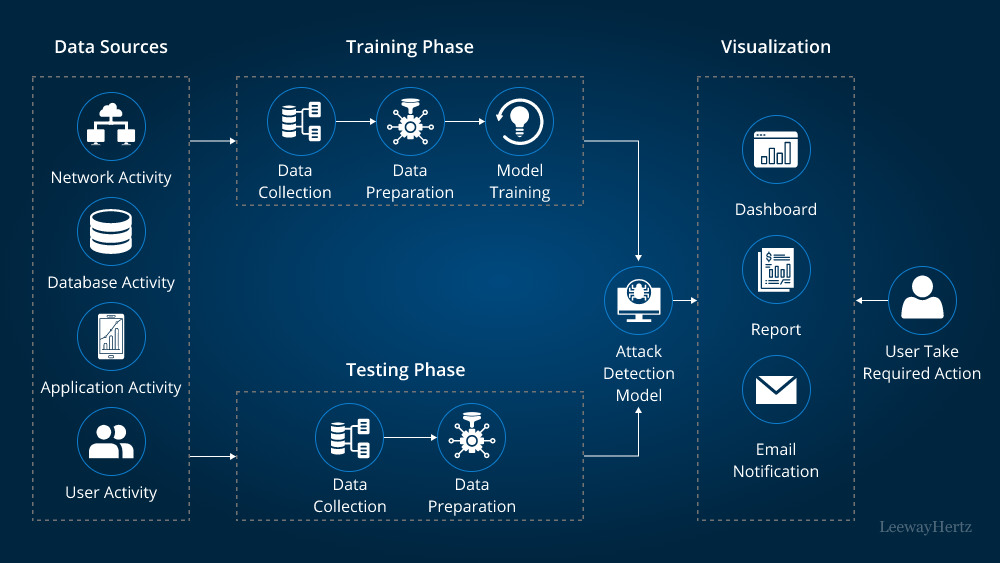
At its core, AI thrives on information. The more data it processes, the better it becomes at identifying patterns, detecting threats, and predicting risks.
From what I’ve observed, modern AI systems are used extensively in:
- Fraud detection
- Cybersecurity monitoring
- Identity verification
- Behavioral analysis
These systems analyze enormous volumes of data in real time, allowing organizations to respond to threats faster than ever before.
For example, financial institutions rely on AI to flag suspicious transactions instantly. Without access to user behavior data, those systems simply wouldn’t work.
This is where the data privacy vs security in AI debate begins because security improvements are directly tied to data collection.
The Hidden Cost: Expanding Data Collection
While enhanced security sounds like a clear benefit, it comes with a trade-off that many users don’t fully recognize.
AI systems collect:
- Personal information
- Browsing habits
- Location data
- Financial activity
- Communication patterns
From my perspective, the scale of this data collection is often underestimated. Many users assume they’re sharing limited information, but in reality, AI systems are building detailed behavioral profiles.
These profiles are incredibly valuable not just for security, but also for marketing, analytics, and sometimes even surveillance.
This is where the tension intensifies. The same data used to protect users can also be used in ways that erode personal privacy.
When Protection Becomes Surveillance
One of the most concerning aspects of the data privacy vs security in AI conflict is how easily protection can shift into surveillance.
Organizations justify data collection as necessary for:
- Preventing fraud
- Detecting cyber threats
- Enhancing user safety
But in practice, this often leads to continuous monitoring.
I’ve noticed that many systems now track behavior at a granular level how you type, how you navigate apps, even how long you pause before clicking something. These signals help AI detect anomalies, but they also create a form of constant observation.
The line between security and surveillance becomes blurred.
And once that line is crossed, it raises critical questions:
- Who controls the data?
- How long is it stored?
- Who has access to it?
These are not just technical concerns they’re societal ones.
The Consumer Awareness Gap
Another issue that stands out to me is the lack of awareness among everyday users.
Most people don’t fully understand:
- How much data is being collected
- How it’s being used
- What risks are involved
Terms like “AI-powered security” sound reassuring, but they rarely explain the underlying trade-offs.
This gap in understanding creates a situation where users unknowingly exchange privacy for convenience and protection.
In many cases, consent is given but not truly informed.
The Role of Regulation and Oversight
Governments and organizations are starting to address the growing concerns around data privacy vs security in AI, but progress is uneven.
Regulatory bodies are working to:
- Define limits on data collection
- Enforce transparency requirements
- Protect user rights
For example, insights from the National Institute of Standards and Technology highlight the importance of balancing innovation with accountability. Their framework on data privacy vs security in AI emphasizes responsible AI development and risk management.
From what I’ve seen, regulation is essential but it often struggles to keep pace with the speed of technological change.
Finding the Balance: Is It Possible?
The central question remains: can we achieve both strong security and meaningful privacy?
In my view, the answer isn’t about choosing one over the other it’s about finding equilibrium.
Some emerging solutions include:
- Data minimization, where only necessary data is collected
- Encryption and anonymization to protect sensitive information
- User control tools that allow individuals to manage their data
These approaches don’t eliminate the conflict, but they help reduce its impact.
The challenge is ensuring that companies prioritize these solutions rather than defaulting to maximum data collection.
Why This Debate Matters More Than Ever
What makes the data privacy vs security in AI issue so important is its long-term impact.
AI is becoming deeply embedded in:
- Healthcare systems
- Financial services
- Government operations
- Everyday consumer technology
As these systems expand, the decisions made today about data use will shape how much control individuals have over their digital lives in the future.
From my perspective, this isn’t just a technical discussion it’s about trust.
If users feel their data is being misused or over-collected, that trust can erode quickly.
A Defining Challenge of the AI Era
As I reflect on the growing tension between privacy and protection, one thing is clear: the data privacy vs security in AI debate is not going away.
In fact, it’s becoming one of the defining challenges of the digital age.
AI has the power to make systems safer, faster, and more efficient. But that power comes with responsibility. The same data that enables security can also create vulnerabilities if misused.
The path forward requires transparency, accountability, and thoughtful design.
Because ultimately, the goal shouldn’t be to sacrifice privacy for security or vice versa. It should be to build systems that respect both.
And in a world increasingly shaped by AI, that balance may be the most important safeguard of all.