

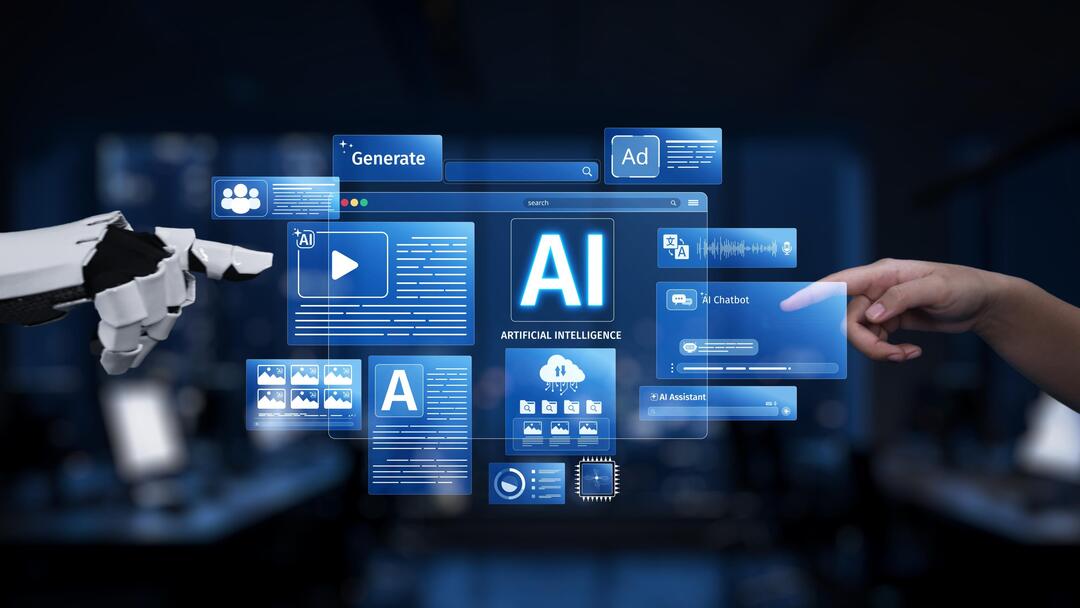

As artificial intelligence continues to evolve at a rapid pace, a fundamental question has taken center stage: how does AI compare to human intelligence, and what truly sets us apart? From advanced chatbots to autonomous systems and creative tools, AI is now capable of performing tasks that once required human reasoning and skill.
This progress has sparked both excitement and concern. While AI offers efficiency and innovation, it also challenges traditional ideas about intelligence, creativity, and even identity. Understanding the differences between artificial and human intelligence is essential not only for appreciating technological advancement but also for recognizing the qualities that remain uniquely human.
Defining Intelligence: Human vs Artificial
At its core, intelligence refers to the ability to learn, reason, adapt, and solve problems. However, the way humans and machines achieve these outcomes is fundamentally different.
Artificial intelligence operates through algorithms, data processing, and pattern recognition. It excels at analyzing vast amounts of information quickly and identifying trends that might be invisible to humans. AI systems are trained on data sets, allowing them to improve performance over time within specific domains.
Human intelligence, by contrast, is far more complex and multidimensional. It involves not only logic and reasoning but also emotion, intuition, and consciousness. Humans can think abstractly, make ethical judgments, and adapt to unfamiliar situations in ways that machines still struggle to replicate.
While AI is powerful within defined boundaries, human intelligence remains more flexible and holistic.
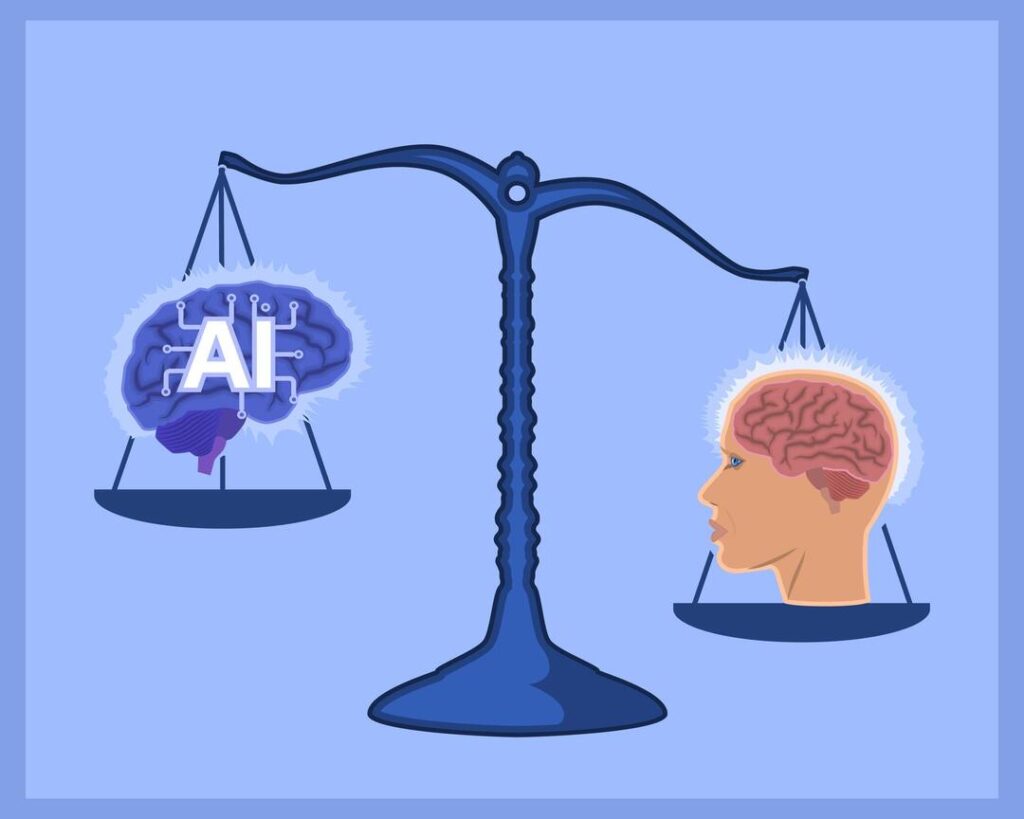
The Speed and Precision Advantage of AI
One of AI’s most significant strengths is its speed and accuracy. Machines can process enormous volumes of data in seconds, performing calculations and analyses far beyond human capability. This makes AI invaluable in fields such as medicine, finance, and engineering.
For example, AI can detect patterns in medical imaging, predict market trends, or optimize logistics with remarkable precision. These capabilities allow organizations to make faster and more informed decisions.
However, this efficiency comes with limitations. AI relies heavily on the data it is trained on. Without proper context or understanding, it may produce results that are technically correct but lack deeper meaning or relevance.
Creativity: Replication vs True Originality
Creativity is often cited as one of the defining traits of human intelligence. While AI has made impressive strides in generating art, music, and written content, its creativity is fundamentally different from that of humans.
AI creates by analyzing patterns in existing data and recombining them in new ways. It can produce visually stunning artwork or coherent text, but it does not possess intent, emotion, or personal experience.
Human creativity, on the other hand, is deeply rooted in individual perspective and emotion. It is influenced by culture, memory, and personal expression. When a human creates, they are not just combining elements they are conveying meaning, storytelling, and identity.
This distinction highlights a key difference: AI can imitate creativity, but it does not truly experience it.
Emotional Intelligence: The Human Advantage
Another area where humans maintain a clear advantage is emotional intelligence. This includes the ability to understand, interpret, and respond to emotions both our own and those of others.
AI can be programmed to recognize emotional cues, such as tone of voice or facial expressions, but it does not genuinely feel emotions. Its responses are based on learned patterns rather than real empathy.
Human emotional intelligence plays a crucial role in relationships, communication, and decision-making. It allows us to navigate complex social situations, build trust, and connect with others on a deeper level.
In professions that require empathy such as healthcare, education, and counseling this human quality remains irreplaceable.
Decision-Making: Logic vs Judgment
Decision-making is another area where the contrast between AI and human intelligence becomes evident. AI systems make decisions based on data, probabilities, and predefined rules. This makes them highly effective in structured environments where variables are clearly defined.
Humans, however, bring context, ethics, and intuition into their decisions. We consider not only what is logical but also what is right, fair, or meaningful. This ability to weigh complex factors is essential in situations where there is no clear answer.
For instance, ethical dilemmas often require more than data analysis they demand values, empathy, and moral reasoning. These are areas where human judgment continues to play a critical role.
Adaptability and Learning Beyond Data
One of the most remarkable aspects of human intelligence is its adaptability. Humans can learn from limited information, apply knowledge across different domains, and adjust to entirely new environments.
AI, while capable of learning, is typically confined to specific tasks. A system trained to play chess cannot automatically drive a car or write a novel without additional programming and data.
Humans, on the other hand, can transfer skills and insights across various contexts. This flexibility allows us to innovate, solve unfamiliar problems, and continuously evolve.
Collaboration: Humans and AI Working Together
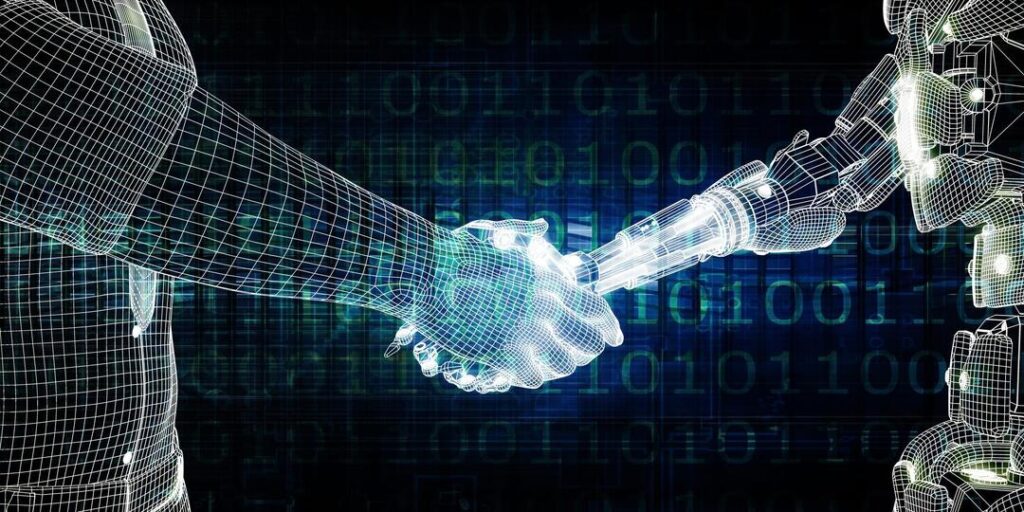
Rather than viewing AI and human intelligence as opposing forces, it is more accurate to see them as complementary. AI excels in areas that require speed, precision, and data analysis, while humans bring creativity, empathy, and judgment.
When combined, these strengths can lead to powerful outcomes. For example, in healthcare, AI can assist with diagnostics while doctors provide personalized care. In business, AI can analyze trends while leaders make strategic decisions.
This collaborative approach highlights the potential for synergy rather than competition.
What Truly Makes Humans Unique
Despite the rapid advancement of AI, several qualities continue to define human uniqueness:
- The ability to experience emotions and form meaningful connections
- True creativity driven by personal experience and expression
- Ethical reasoning and moral judgment
- Adaptability across diverse and unpredictable situations
These traits are not easily replicated by machines because they are deeply rooted in human consciousness and experience.
The Future of Intelligence
As we move further into the AI-driven era, the relationship between artificial and human intelligence will continue to evolve. AI will undoubtedly become more advanced, expanding its capabilities and influence across industries.
However, the essence of what makes us human remains intact. Our ability to feel, create, connect, and make meaningful decisions ensures that human intelligence retains a unique and irreplaceable role.
Rather than fearing AI, the future lies in understanding how to harness its potential while embracing the qualities that define us. In doing so, we can create a world where technology enhances human capability rather than diminishing it.



