

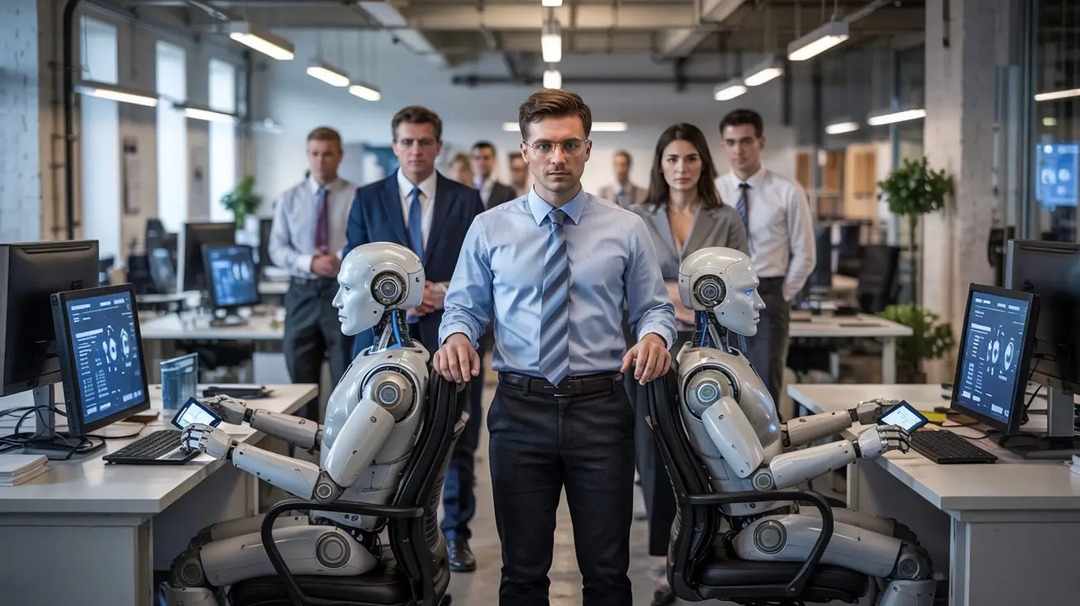
Artificial intelligence continues to dominate global conversations, often accompanied by fears of widespread job loss and economic disruption. However, a recent statement from a senior Federal Reserve official offers a more measured and optimistic outlook. Rather than eliminating jobs entirely, AI is expected to reshape the nature of work, transforming industries and redefining the skills required in the modern workforce.
This perspective marks a significant shift from alarmist narratives and provides a more nuanced understanding of how AI will influence employment in the years ahead a viewpoint echoed by recent coverage in Abacus News, which highlights the evolving role of artificial intelligence in the workplace.
A Shift from Job Loss to Job Transformation
The idea that AI will lead to mass unemployment has been widely debated. While automation has historically replaced certain roles, it has also created new opportunities. According to the Federal Reserve’s viewpoint, AI follows this same pattern disruptive, yet ultimately adaptive.
Instead of removing human workers from the equation, AI is expected to change how tasks are performed. Routine and repetitive activities are increasingly being handled by intelligent systems, allowing employees to focus on more strategic, creative, and interpersonal responsibilities.
This transition suggests that the future of work will not be defined by job scarcity, but by job evolution.
Understanding the Federal Reserve’s Position
The Federal Reserve’s cautious but confident stance reflects a broader recognition of AI’s dual impact. On one hand, there is acknowledgment that certain roles may become obsolete. On the other, there is strong evidence that new roles will emerge, often in areas that did not previously exist.
The key message is clear:
AI is not a job destroyer it is a productivity enhancer, empowering you to take back your time and focus on more meaningful, creative work.
By improving efficiency and enabling faster decision-making, AI can help businesses grow. This growth, in turn, can lead to increased demand for labor in new and expanding sectors.
Historical Context: Technology and Employment
To better understand AI’s potential impact, it is helpful to look at previous technological revolutions. The rise of computers, the internet, and automation tools all sparked similar fears. Yet, over time, these innovations led to job creation in fields such as IT, digital marketing, cybersecurity, and software development.
AI appears to be following a similar trajectory. While some traditional roles may decline, entirely new categories of employment are already emerging, including:
- AI system trainers
- Data analysts and engineers
- Automation specialists
- AI ethics and compliance professionals
These roles highlight how technological progress often expands the job market rather than shrinking it.
The Rise of Human-AI Collaboration
One of the most important developments in the AI era is the growing emphasis on collaboration between humans and machines. Rather than operating independently, AI systems are increasingly designed to assist human decision-making.
For example, in industries such as healthcare, finance, and logistics, AI can analyze vast amounts of data quickly, providing insights that professionals can use to make informed decisions. This partnership enhances productivity without removing the need for human expertise.
The Federal Reserve’s outlook supports this model, suggesting that AI will act as a complement to human labor rather than a replacement.

Skills Are the New Currency
As AI reshapes the workplace, the demand for specific skill sets is changing rapidly. Technical knowledge remains important, but there is a growing emphasis on uniquely human abilities that machines cannot easily replicate.
These include:
- Critical thinking and problem-solving
- Creativity and innovation
- Emotional intelligence and communication
- Adaptability and continuous learning
Workers who invest in these skills are more likely to thrive in an AI-driven economy. The focus is shifting from job titles to capabilities, encouraging individuals to remain flexible and proactive in their career development.
Economic Growth and Productivity Gains
Another key point highlighted by the Federal Reserve is AI’s potential to boost overall economic productivity. By automating time-consuming processes and improving operational efficiency, businesses can achieve more with fewer resources.
This increased productivity can lead to:
- Lower costs for consumers
- Higher profits for companies
- Greater investment in innovation
- Expansion into new markets
In many cases, these outcomes can stimulate job creation rather than job loss, particularly in sectors experiencing rapid growth.
Addressing Concerns and Uncertainty
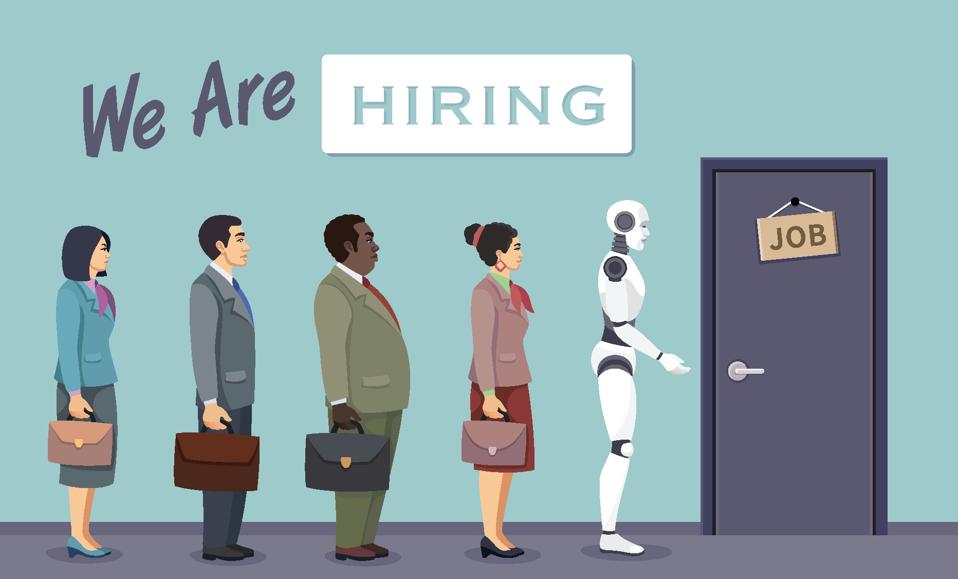
Despite the optimistic outlook, concerns about AI remain valid. Job displacement, particularly in industries heavily reliant on routine tasks, is a real possibility. Workers in these sectors may face challenges as their roles evolve or disappear.
The Federal Reserve acknowledges these risks and emphasizes the importance of proactive measures, including:
- Workforce retraining programs
- Investment in education and digital literacy
- Public and private sector collaboration
By addressing these challenges early, policymakers and businesses can help ensure a smoother transition for affected workers.
The Role of Governments and Policy
Government intervention will play a critical role in shaping how AI impacts employment. Regulations, education systems, and economic policies must adapt to keep pace with technological change.
Key priorities include:
- Supporting reskilling initiatives
- Encouraging innovation while ensuring ethical AI use
- Protecting workers during transitional periods
The Federal Reserve’s cautious approach reflects an understanding that while AI presents opportunities, it also requires thoughtful governance.
Looking Ahead: The Future of Work in 2026 and Beyond
As AI continues to evolve, its integration into everyday business operations will become more seamless. Rather than being viewed as a disruptive force, AI is likely to become an invisible layer of infrastructure supporting various industries.
The workplace of the future will likely be characterized by:
- Hybrid roles combining technical and human skills
- Increased reliance on data-driven decision-making
- Greater flexibility in how and where people work
In this environment, adaptability will be the defining factor for both individuals and organizations.
A Balanced Perspective on AI and Employment
The Federal Reserve’s statement offers a refreshing counterpoint to the more extreme narratives surrounding AI. While it is undeniable that artificial intelligence will change the job landscape, it is equally clear that it will not eliminate the need for human workers.
Instead, AI represents a powerful tool one that can enhance productivity, create new opportunities, and drive economic growth. The challenge lies in managing this transition effectively, ensuring that workers are equipped with the skills needed to succeed.
Ultimately, the future of work will not be about humans versus machines, but about how effectively the two can work together.



