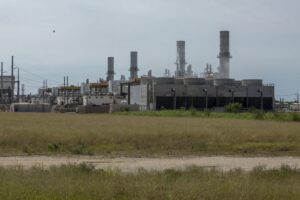
The rapid acceleration of artificial intelligence is reshaping industries, economies, and digital ecosystems around the world. Central to this profound transformation is the emergence and explosive expansion of AI data centers. In 2026 alone, worldwide investments in these facilities are projected to surpass $500 billion. While this unprecedented growth is fueling advances in AI and unlocking new opportunities, it is also putting enormous strain on power grids, physical infrastructure, and environmental resources across the globe.
As governments and technology giants race to build the next generation of AI infrastructure, a critical new challenge looms: How can we sustain the immense energy demands of a data-driven future without overwhelming the very systems that support it? Much like the dynamic strategies seen on platforms such as Bovada, where adapting to changing odds is key, this question is sparking a global conversation about energy capacity, sustainability, and thelong-term viability of hyperscale data centers.
The Rise of AI Data Centers and Hyperscale Infrastructure
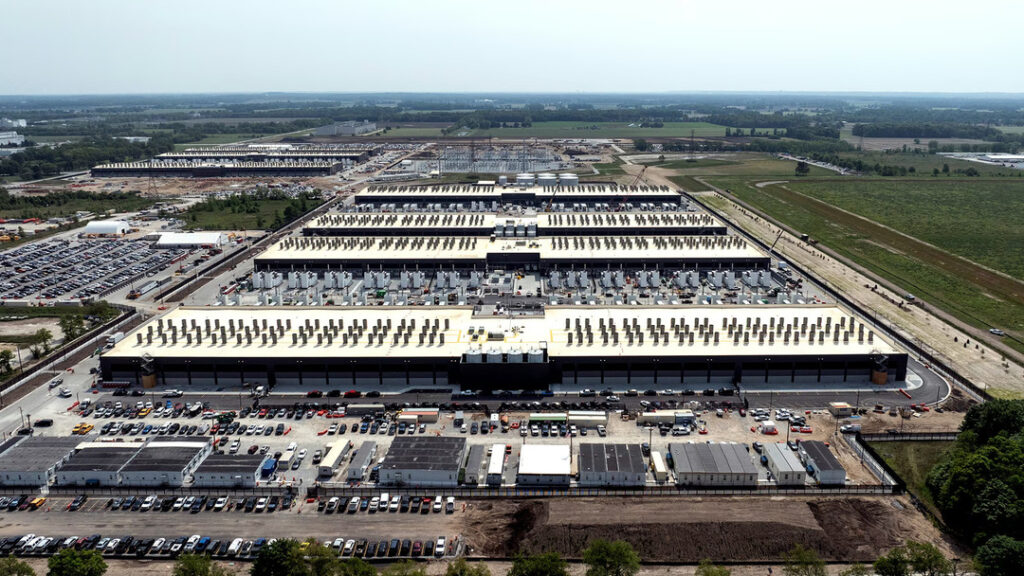
Artificial intelligence workloads ranging from training giant language models to delivering instant analytics require staggering amounts of processing power. To meet this need, the tech industry is witnessing a rapid proliferation of hyperscale data centers: vast, state-of-the-art facilities capable of orchestrating enormous volumes of data and computation in real time.
Tech behemoths like Microsoft, Google, Amazon, and Meta are at the forefront of this expansion, pouring billions of dollars into building “AI factories.” These specialized data centers differ from traditional facilities in many ways, boasting incredibly high-density servers, sophisticated cooling systems, and a relentless drive for uptime and reliability.
This surge isn’t limited to just one region; North America, Europe, Asia, and rising global tech hubs are all fiercely competing to become the next center of AI infrastructure excellence. According to recent reports from Abacus AI News, the result is a global technology buildout on a scale never before seen.
Why AI Data Centers Are Consuming Unprecedented Energy
A key concern driving debate is the extraordinary amount of energy these centers consume. Training and deploying advanced AI models demand prodigious amounts of electricity; a single, large-scale AI training run can devour as much power as several thousand homes use in a year.
The relentless, resource-intensive workload of AI means servers often run at maximum capacity, generating significant heat and requiring cutting-edge cooling technologies. These systems themselves draw large amounts of energy, compounding the total consumption.
Estimates suggest that by the end of the decade, AI data centers could collectively use hundreds of terawatt-hours of electricity per year rivaling the energy throughput of entire nations. This staggering demand raises urgent questions about the sustainability of current infrastructure and the resilience of global power grids.
Strain on Global Power Grids and Utilities
The meteoric rise in energy demand from data centers is creating new pressure points for utilities and power grids worldwide. Many regions are struggling to keep pace, forced to upgrade transmission lines, substations, and electricity generation capacity to support data center projects.
In some cases, a lack of available power has led to delays, scaled-back projects, or even rejections for new builds. Local governments and regulators are becoming more cautious, closely evaluating economic benefits alongside risks to energy stability.
Meanwhile, electricity prices in targeted regions are climbing as competition for power intensifies not just impacting data centers, but rippling out to affect local businesses and consumers as well.
Environmental Concerns and Sustainability Challenges
Beyond grid stress and rising utility costs, AI data centers carry considerable environmental implications. Their massive electricity consumption leaves a heavy carbon footprint, especially in regions still dependent on fossil fuels.
Water use is another mounting concern. Many data centers rely on water-based cooling, creating a major draw on local reserves particularly troubling in places already facing drought or water scarcity.
Such challenges are fueling growing resistance among communities and environmental advocates, leading to increased regulatory scrutiny and calls for more sustainable data infrastructure practices.
The Race for Renewable Energy and Green Solutions
Facing mounting concerns, leading technology companies are pivoting to greener solutions. The integration of renewable energy sources solar, wind, and hydro into data center operations is accelerating, aimed at reducing carbon emissions.
Innovative strategies such as on-site power generation, advanced battery storage, and exploratory use of nuclear energy are gaining traction to help assure reliable, low-carbon electricity supply. Companies are also investing in new cooling techniques, like liquid cooling and AI-optimized energy management, to improve operational efficiency.
While these efforts are promising, the complexity and scale of global data center operations mean that transitioning to fully sustainable models will take significant time, investment, and coordination.
Infrastructure Bottlenecks and Global Competition
The expansion of AI data centers is not just an energy issue; it creates significant infrastructural and logistical hurdles. Building and maintaining these facilities requires huge quantities of land, advanced materials, high-skilled labor, and seamless digital connectivity.
Supply chain disruptions, particularly involving semiconductors and specialized hardware, are adding layers of complexity. Meanwhile, countries are ramping up incentives, tax advantages, and infrastructure upgrades in hopes of attracting lucrative AI investments.
The global race is reshaping the technological playing field; regions offering reliable power, advanced connectivity, and welcoming regulatory climates are emerging as hotspots for AI infrastructure. Yet many areas lack the resources to compete, which could deepen global technology divides.
Balancing Innovation with Responsibility
As cutting-edge AI applications proliferate, the imperative for responsible infrastructure development grows more urgent. Policymakers, tech executives, and environmental leaders all agree: Innovation must be balanced with increased energy efficiency, a dramatic move toward renewable sources, and smarter regulatory frameworks.
Partnerships between public and private sectors will be critical in addressing these challenges. Rather than slowing progress, the aim is to ensure AI’s advancement is both robust and sustainable for generations to come. Without such foresight, the infrastructure powering AI could itself become a bottleneck.
What This Means for the Future of AI and Technology
The anticipated $500 billion global investment in AI data centers in 2026 is a watershed moment for technology. On one side, it fuels unprecedented AI-driven breakthroughs, promising advancements across healthcare, finance, manufacturing, and more. On the other, it exposes vulnerabilities tied to energy dependency and infrastructure strain.
For businesses, this means adapting to a new reality where success could hinge as much on access to clean, reliable energy as access to data. Governments face the challenge of visionary planning, ensuring that economic growth does not outpace the capabilities (or sustainability) of supporting systems.
A Defining Challenge of the AI Era
The explosive expansion of AI data centers in 2026 represents both extraordinary promise and pressing risk. While these facilities power the next wave of digital transformation, their energy appetite puts unprecedented stress on global grids, infrastructure, and the environment.
Successfully navigating this landscape requires collaboration, innovation, and a shared commitment to responsibility. The future of AI and the broader digital economy hangs in the balance, dependent upon the world’s ability to align technological ambition with sustainable infrastructure.
How we respond to these challenges in the coming years will chart the course for technology for decades to come, defining not just the future of artificial intelligence, but the future of our planet and society itself.