

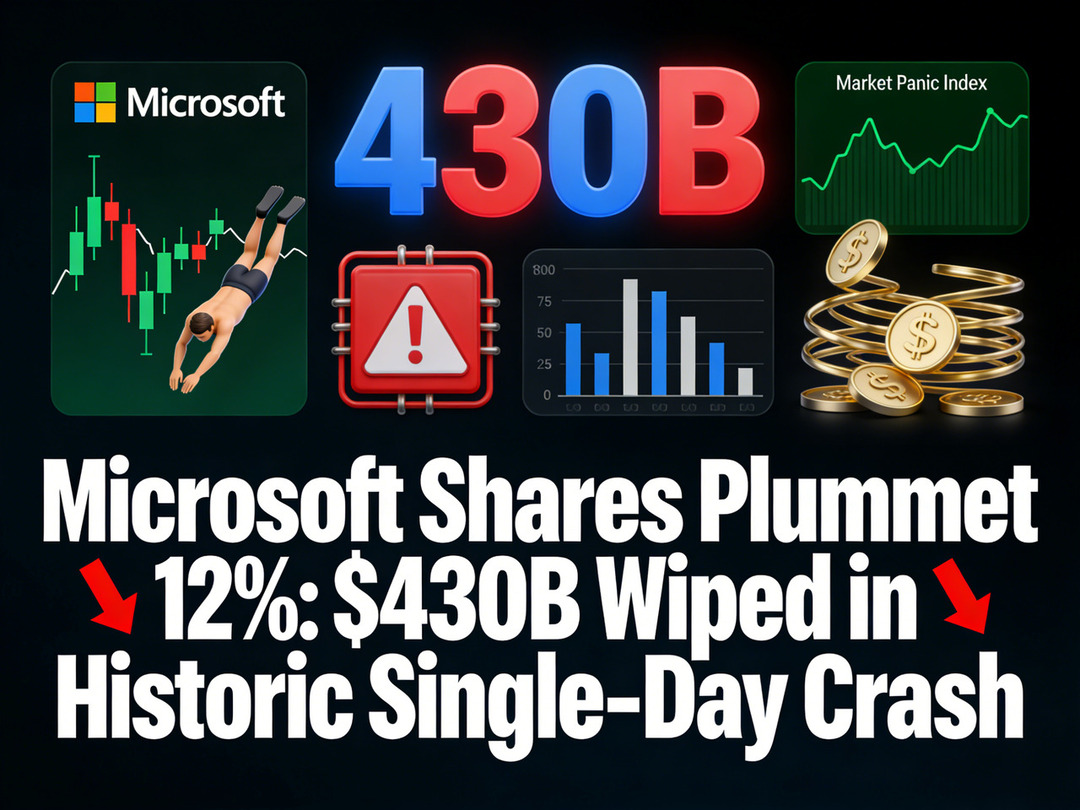
If you needed proof that Wall Street algorithms are programmed to look at the ground rather than the horizon, Thursday’s trading session was it.
Microsoft (MSFT) delivered a “beat-and-raise” quarter that would be the envy of any other company on earth: $81.3 billion in revenue (up 17%), EPS of $4.14 (up 24%), and Azure growth accelerating to 39%.
And the market’s reaction? A 10% haircut, dropping the stock to ~$430.
Why? Because of one number: $37.5 billion in Capital Expenditures.
The sellers see “expense.” The smart money sees “moat.” The “rote” reaction is to sell on margin compression fears. But if you actually look at where that money is going into the physical and intelligence infrastructure of the entire Western world you realize that $430 a share might be the last gift we get for a long time.
Is It Even Possible to Value This?
Valuing Microsoft right now using traditional P/E ratios is like trying to value the Union Pacific Railroad in 1860 based on the price of lumber. You aren’t valuing a software company anymore; you are valuing the utility company of the 21st century.
Abacus AI News reported Microsoft added nearly 1 gigawatt of power capacity to its data center footprint in this quarter alone. To put that in perspective, that is roughly the output of a nuclear reactor. They aren’t just building servers; they are building the modern equivalent of the interstate highway system.
The “invisible” Monopolies
While the bears focus on the CapEx, they are ignoring the three distinct monopolies Microsoft is cementing right under our noses.
1. The Government Lock (Jan 15, 2026 Update)
Did you miss the news from two weeks ago? Microsoft announced the availability of GPT-5.2 in Azure Government Top Secret clouds.
● The Implication: This isn’t just “AI for government.” This is the only air-gapped, classified AI environment capable of handling top-secret DoD workloads with frontier-level reasoning.
● The Moat: Google and AWS are years behind in getting a model of this caliber certified for IL6 (Impact Level 6) workloads. Microsoft has effectively become the exclusive AI partner for the Pentagon.
2. The Healthcare OS
We’ve written about this before, but it bears repeating. Through Nuance DAX and the DeepScribe integrations, Microsoft is capturing the voice data of American healthcare.
● The Reality: They are integrated into Epic, which holds 54% of US patient records. This isn’t a “nice to have” feature; it is becoming the operating system for medicine.

3. The Hardware/Software Unification
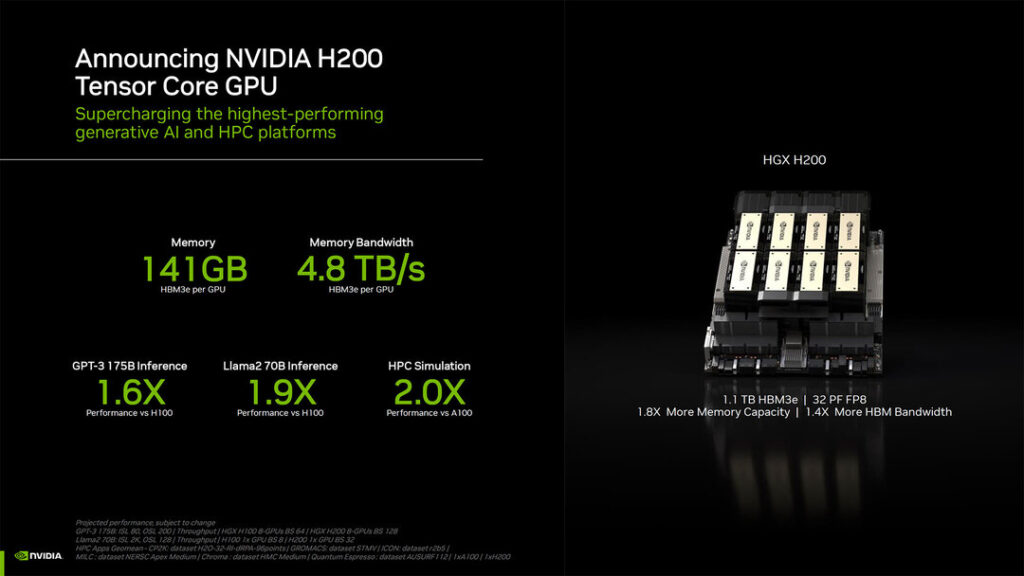
The massive spend isn’t just on NVIDIA H200s. It’s on Maia 200, Microsoft’s custom silicon. By optimizing their own chips for their own workloads (OpenAI inferencing), they are decoupling their cost structure from the broader merchant silicon market. They are becoming Apple, but for the data center.
The “Expensive” $16 EPS Myth
Let’s talk about that “$16 a year” in earnings. Bears say, “Paying 27x earnings for a company this big is crazy.”
We say: You are looking at the pre-monetization earnings. Right now, Microsoft is front-loading the cost of the AI revolution (the $37.5B CapEx) but has only just begun to turn on the revenue taps.
● Copilot adoption is up 160% YoY.
● Azure AI is driving the bulk of cloud growth.
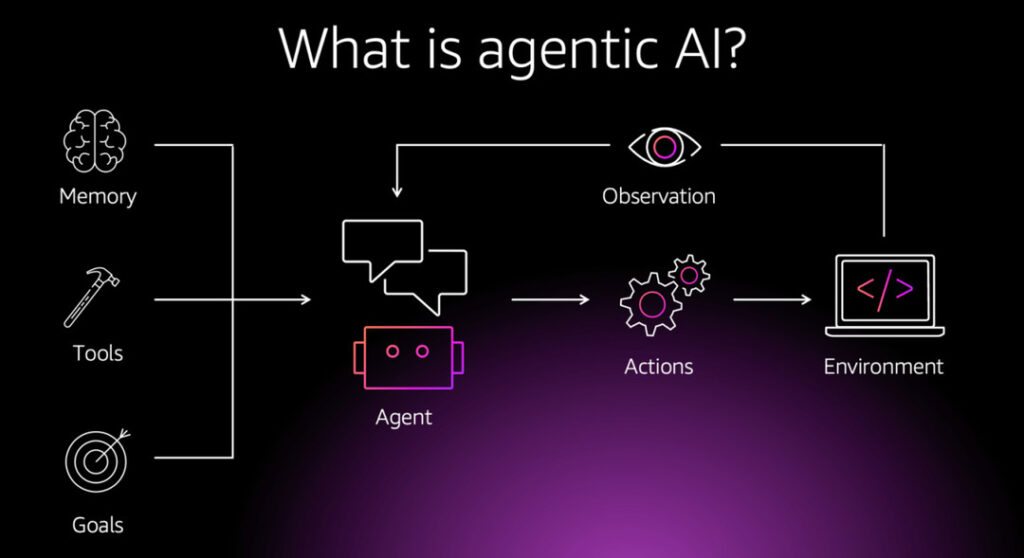
● Agentic AI (software that does work, not just chats) is launching in Q3 2026.
We are currently paying for the construction of the factory. The products haven’t even hit the shelves at scale yet.
The Verdict
The sellers are rote. They see a line on a spreadsheet called “Capital Expenditures” and they hit the red button.
Smart money sees a company that is simultaneously becoming the Pentagon’s general, the doctor’s scribe, and the world’s power plant. At $430, you aren’t buying a stock; you’re buying a royalty on the future.
Open your arms. The sale won’t last.



