

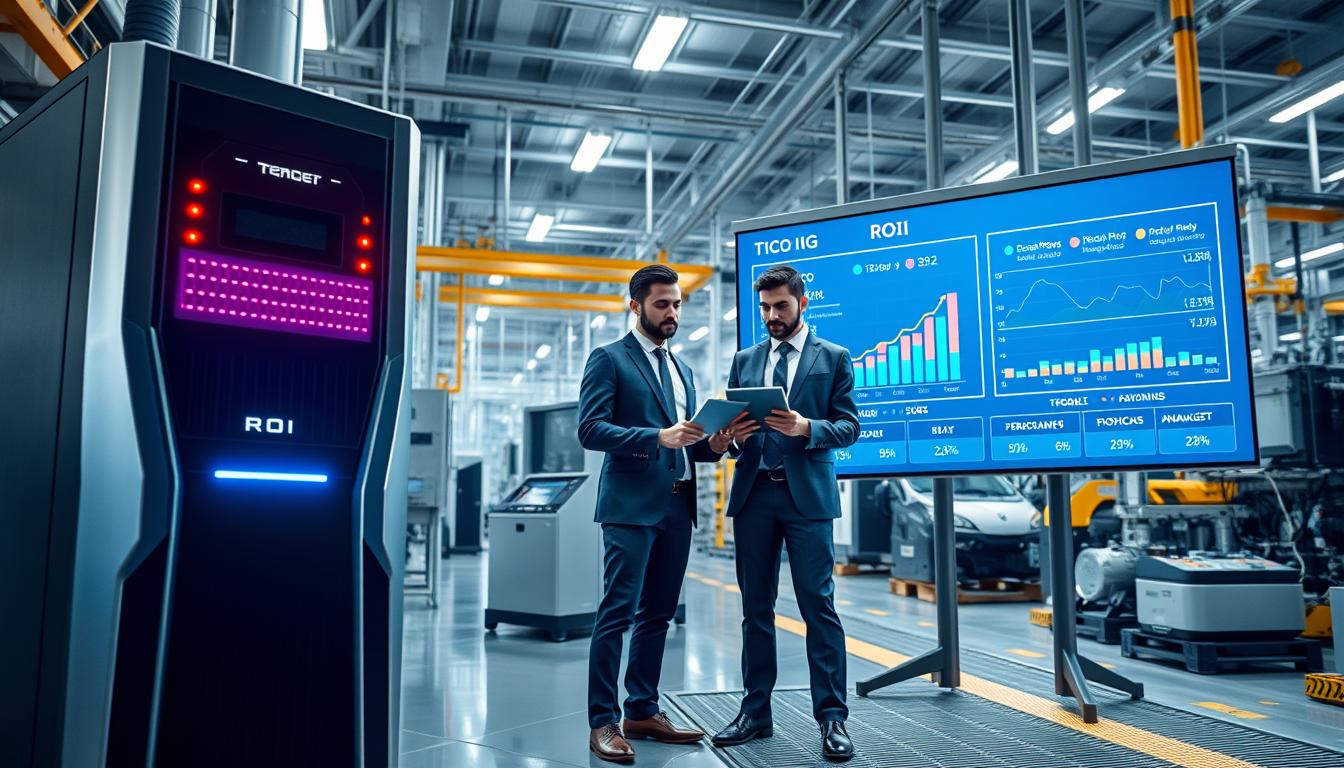
IT budgeting often feels like corporate theater. Everyone nods, but secretly, they’re thinking about espresso machines. But, modern computing solutions are more than just costs. They’re financial ninjas that cut through old cost structures.
Imagine telling your board that 87% of industrial enterprises see returns within 12 months. It’s like finding a twenty in last season’s jacket. We’re talking about real cost savings and shrinking payback periods that even your accountant will love.
Why does Wi-Fi feel like dial-up in the Industry 4.0 era? How do these solutions reduce hidden operational expenses? The answers might surprise you—it’s not magic, just math that makes financial sense. For deeper analysis on connectivity economics, explore our TCO comparison between LTE and 5G.
Productivity Gains
Latency can be your biggest advantage in manufacturing. Milliseconds can mean a lot of money. The value of edge computing is huge when production lines run smoothly.
Tesla’s Gigafactories are a great example. Their automated vehicles move fast, thanks to edge computing. This has led to a 28X return on investment. It’s a big change.
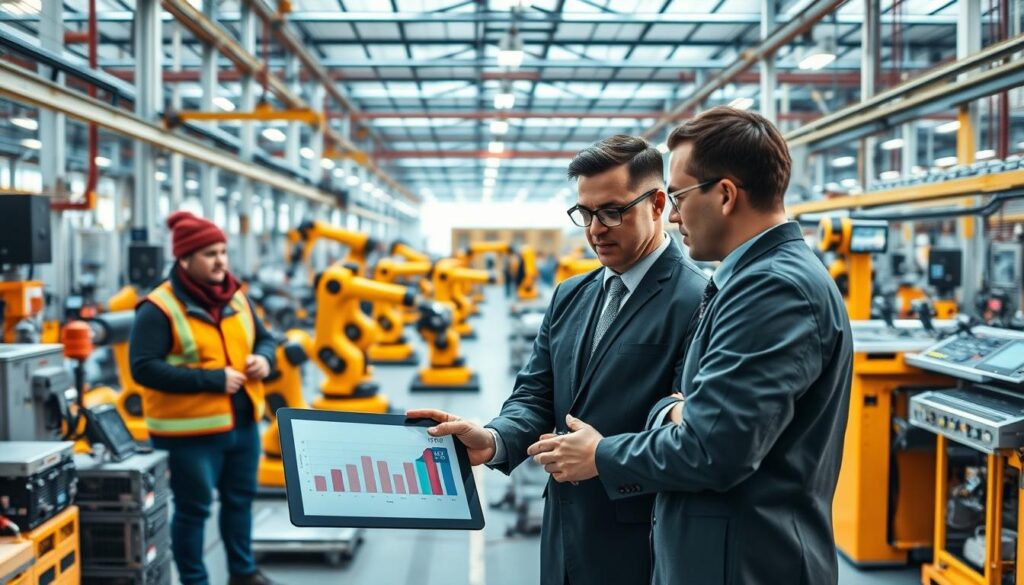
John Deere cut down on wired connections. This move boosted productivity. Now, they see real gains in their work.
IKD saw a 10% yield improvement. This small change made a big difference. It’s what sets leaders apart.
A Nokia study found the automotive sector could gain $1B. That’s a lot of money.
Edge computing turns latency into an advantage. Every second saved is money made. It’s like a boost of energy for your operations.
Machines can work faster and better with edge computing. They don’t have to wait for data from the cloud. It’s like watching a live concert instead of a recording.
These gains are more than just numbers. They show technology is really working. Even the most skeptical CFOs will smile at these results.
Downtime Reductions
Downtime in manufacturing is like an unwanted guest. It shows up unexpectedly and leaves you with nothing but regrets. It costs industries millions in lost productivity and emergency repairs.
Edge deployment is like a digital bouncer. It keeps trouble outside and brings harmony inside. It’s not just about preventing disasters; it’s about creating smooth operations.
Lufthansa’s cargo operations changed dramatically. They moved from manual tracking to 5G-powered precision. This led to a 60% reduction in processing time. It was like upgrading from a typewriter to voice-to-text AI.
Newmont’s mining operations also show the power of connectivity. They cut down on 6-hour downtime shifts with remote control systems. Operators now control massive dozers from control rooms, making operations smooth 24/7.
The numbers show the cost-benefit edge deployment advantage. Ericsson showed that energy operations can pay back in 18-24 months. Unplanned maintenance can cost up to $260,000 per hour in some industries, making the investment very compelling.
This shift is more than just risk mitigation. It’s a fundamental change in how we operate. Investing in edge deployment is like buying insurance against operational disasters.
In sectors like oil and gas, these systems act as digital bodyguards. They predict problems before they happen, turning big issues into minor ones.
The beauty of edge deployment is its double benefit. You avoid big losses and invest in continuous flow. Every second counts in modern manufacturing, where time is money and competitive advantage.
Quality Improvements
Ever watched a master painter work? Each stroke is deliberate, each movement precise. Now imagine that level of craftsmanship across an entire factory floor. That’s what edge computing delivers in manufacturing quality.
Jaguar Land Rover transformed their paint shops from Wi-Fi dead zones into data-rich havens. Real-time monitoring ensures every coat is perfect – no more warranty headaches from drippy finishes. The system catches imperfections before they become expensive problems.

Airbus takes it further with augmented reality applications. Engineers now have what amounts to X-ray vision, simulating production processes in real-time. They spot potential issues before they manifest in physical products.
Then there’s Risen Group’s 20% efficiency boost. Better data means fewer “oops” moments on the production line. Their edge computing ROI came not just from faster production, but from dramatically reduced waste and rework.
What makes these quality improvements so transformative? It’s the shift from reactive to proactive manufacturing. Instead of finding defects at final inspection, companies prevent them at the source.
The financial impact goes beyond simple cost savings. Superior quality becomes a market differentiator. Customers notice when products work better and last longer. That’s how you turn transactional sales into brand loyalty.
For manufacturers seeking competitive advantage, the edge computing ROI analysis reveals something crucial. The biggest returns often come from quality enhancements rather than pure efficiency gains.
Think of it this way: preventing one defective product saves more than producing ten additional units. The math becomes compelling when you factor in warranty claims, returns, and brand reputation damage.
Edge computing turns guesswork into precision. It’s the difference between selling products and selling excellence. In today’s market, that distinction separates market leaders from everyone else.
Interview with Industry Leaders
Ever wonder what makes some tech leaders stand out? Siemens’ global 5G rollout is a prime example. They’re using PROFINET over wireless, making old wired setups seem outdated.
Choosing the right partners is key to edge computing’s success. Most successful projects use edge tech to turn data into valuable insights. It’s not just about the tech; it’s about the leadership that brings it all together.
Nokia’s research shows 94% of successful projects use private wireless and edge apps together. Companies avoid being stuck with one vendor, instead choosing flexible systems that grow with them.
Siemens didn’t just install tech; they built a whole ecosystem. They value partner expertise over just specs. This approach makes edge solutions truly valuable, where vision and action meet.



