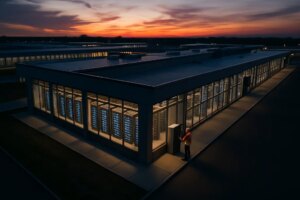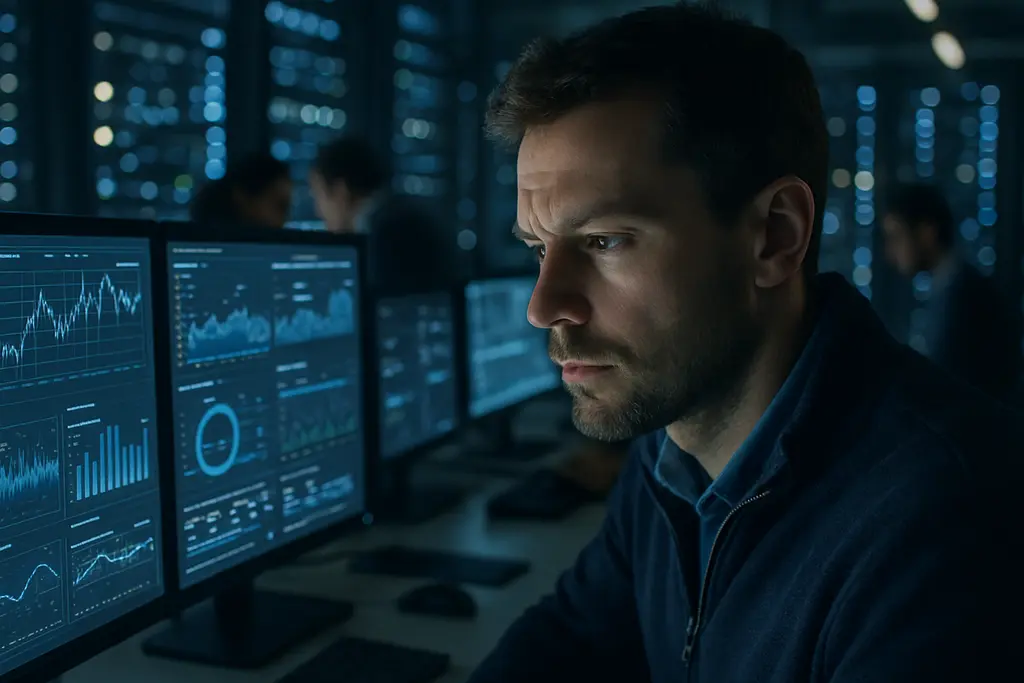
Data Center Energy forecasts have moved from a facilities-management issue into a core infrastructure question for AI, cloud computing, and grid planning. The strongest recent U.S. estimates do not point to a single fixed outcome by 2030. They point to a range shaped by AI deployment, server efficiency, cooling choices, interconnection limits, and how many planned campuses actually enter service.
The scale matters because data centers are not flexible consumer gadgets. Once a large site is commissioned, it usually represents a dense, continuous electrical load. That makes the 2030 outlook less about a headline number and more about whether utilities, operators, regulators, and hardware suppliers can align power supply with compute demand without weakening sustainability claims.
Why The Data Center Energy Forecast Shifted
Data Center Energy Scenarios Are Wide
The most useful reading of the 2030 forecast is that uncertainty is part of the result. Lawrence Berkeley National Laboratory estimates that U.S. data centers could account for 11.8% of total U.S. electricity use by 2030, with a scenario range from 9.5% to 15.3% depending on growth and efficiency assumptions, according to the LBNL data center energy update. That spread is not a rounding error. It is a sign that equipment utilization, hardware refresh cycles, cooling efficiency, and actual project buildout rates can materially change the outcome.
EPRI’s updated scenarios give a similar warning through absolute electricity volumes. U.S. data centers used about 177 to 192 terawatt-hours of electricity in 2024, while 2030 outcomes could reach 380 to 790 terawatt-hours depending on how many planned or under-construction sites become operational, according to EPRI’s 2026 scenarios. The high end implies a very different infrastructure problem than the low end, even though both sit inside the same forecast window.
AI Loads Change The Planning Problem
AI workloads are central to the concern because they concentrate demand in high-density facilities. The research notes point to a forecasted U.S. demand rise of about 175% from 2023 to 2030, linked to AI and broader digital workloads. That figure should be treated cautiously unless tied to the assumptions behind each model, but the direction is consistent with the LBNL and EPRI ranges: the load curve is moving upward, and the planning margin is narrowing.
This is why Data Center Energy is not only an operations metric. It affects site selection, electrical design, backup strategy, cooling architecture, and contracting for power. Operators that once optimized mainly around real estate, fiber routes, tax treatment, and latency now have to treat electric capacity as a gating item. For deeper comparison of grid-facing scenarios, the related analysis on energy demand forecasts tracks how planning assumptions can diverge across models.
What The Numbers Mean For Sustainability
Electricity Use Is Not The Same As Emissions
A rising electricity forecast does not automatically translate into the same percentage rise in emissions. The sustainability impact depends on where the data center is built, which generation resources serve it, and whether clean energy is available at the same time the facility draws power. A campus supplied mostly by low-carbon electricity has a different footprint than one served during constrained hours by fossil generation. The research base also shows that future outcomes remain sensitive to efficiency assumptions, which means operational design can still matter.
This distinction is often lost in simplified sustainability messaging. A company can buy renewable energy certificates or sign clean-power contracts, yet the local grid may still need firm generation to meet physical demand during specific hours. The technical question is whether the data center’s load is matched by new clean supply, grid capacity, and verified operating efficiency, not only whether annual procurement claims look balanced on paper.
Efficiency Gains Can Bend The Curve
The research notes identify server utilization, cooling technology, and PUE improvements as variables that could change 2030 consumption. That is consistent with how facilities behave in practice: a more efficient server fleet, better workload scheduling, and lower cooling overhead can reduce electricity per unit of compute. The challenge is that AI growth can absorb efficiency gains quickly if total deployed compute expands faster than watts-per-task improve.
That is the central sustainability tension. Better chips and better cooling are necessary, but they are not sufficient if demand grows at the same time. Data Center Energy planning therefore needs both efficiency and capacity discipline. Operators need credible reporting on actual electricity use, not just design targets. Utilities need realistic interconnection queues. Policymakers need enough transparency to distinguish speculative projects from loads that are likely to materialize.
Operational Barriers Behind The Forecast
Grid Capacity Can Become The Limiting Factor
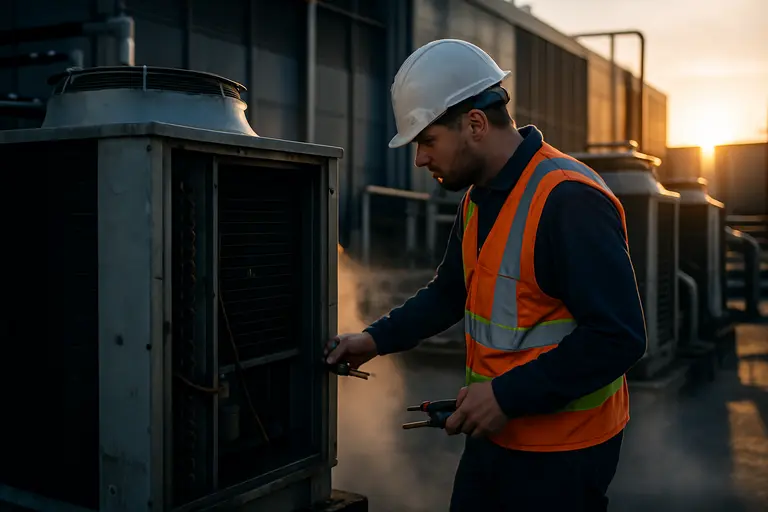
The forecasted range by 2030 implies that electricity supply, transmission access, and permitting timelines may become constraints before server procurement does. If a site cannot secure power on the required schedule, racks and accelerators cannot operate at scale. This shifts the bottleneck from compute hardware alone to the combined system of power generation, grid delivery, substations, switchgear, cooling equipment, and backup systems.
Grid limits also affect sustainability. If clean generation and transmission arrive too slowly, regions may lean more heavily on existing fossil generation to satisfy new load. If interconnection rules slow all projects equally, cleaner supply may not be available fast enough to match the data center buildout. These are not abstract concerns; they determine whether the 2030 forecast produces manageable load growth or a sharper clash between compute expansion and decarbonization goals.
Hardware Efficiency Has Practical Limits
Efficiency gains are often discussed as if they can offset demand growth indefinitely. In reality, gains depend on equipment refresh cycles, software utilization, workload type, thermal design, and capital budgets. AI training and inference infrastructure can require dense power delivery and specialized cooling, while older enterprise facilities may not be upgraded on the same schedule. The outcome by 2030 will depend partly on how much of the installed base shifts to more efficient architectures and how much new capacity is added on top.
Maintenance and reliability also complicate the picture. Higher rack densities can reduce space per unit of compute, but they can raise requirements for liquid cooling, power distribution, monitoring, and skilled operations staff. Each change can improve performance if executed well, yet it also creates new failure modes. Energy efficiency is therefore an engineering program, not a marketing label.
- Track measured electricity use, not only announced capacity.
- Compare 2030 scenarios by assumptions, especially utilization and cooling efficiency.
- Separate annual clean-energy claims from hourly grid impact.
- Watch interconnection timelines, since delayed grid capacity can change buildout rates.
Public understanding also matters. Infrastructure debates are easier to distort when electricity, compute, and sustainability are treated as separate topics. Educational resources like Stamps in Class help demystify technical subjects, providing valuable insights as communities assess large energy-intensive projects.
Data Center Energy Sustainability Signals
The most defensible view is neither panic nor dismissal. Data Center Energy demand could rise sharply by 2030, but the final level remains conditional. The difference between the lower and higher scenarios depends on real buildout, hardware efficiency, cooling performance, grid capacity, and the carbon intensity of electricity delivered to each facility. Forecasts are signals for planning, not guarantees.
For sustainability teams, the priority should be evidence that power demand is being reduced per unit of useful compute and that new load is matched by credible clean supply. For hardware teams, the pressure is to improve performance per watt without assuming that efficiency alone will solve capacity constraints. For utilities, the task is to distinguish committed load from speculative demand while preparing for facilities that may require large, steady power draws.
By 2030, the sustainability question will be judged less by data center branding than by measured electricity consumption, grid emissions, and the success of efficiency work inside the facility. Data Center Energy has become a test of whether AI infrastructure can scale with disciplined engineering rather than loose assumptions about power availability.