

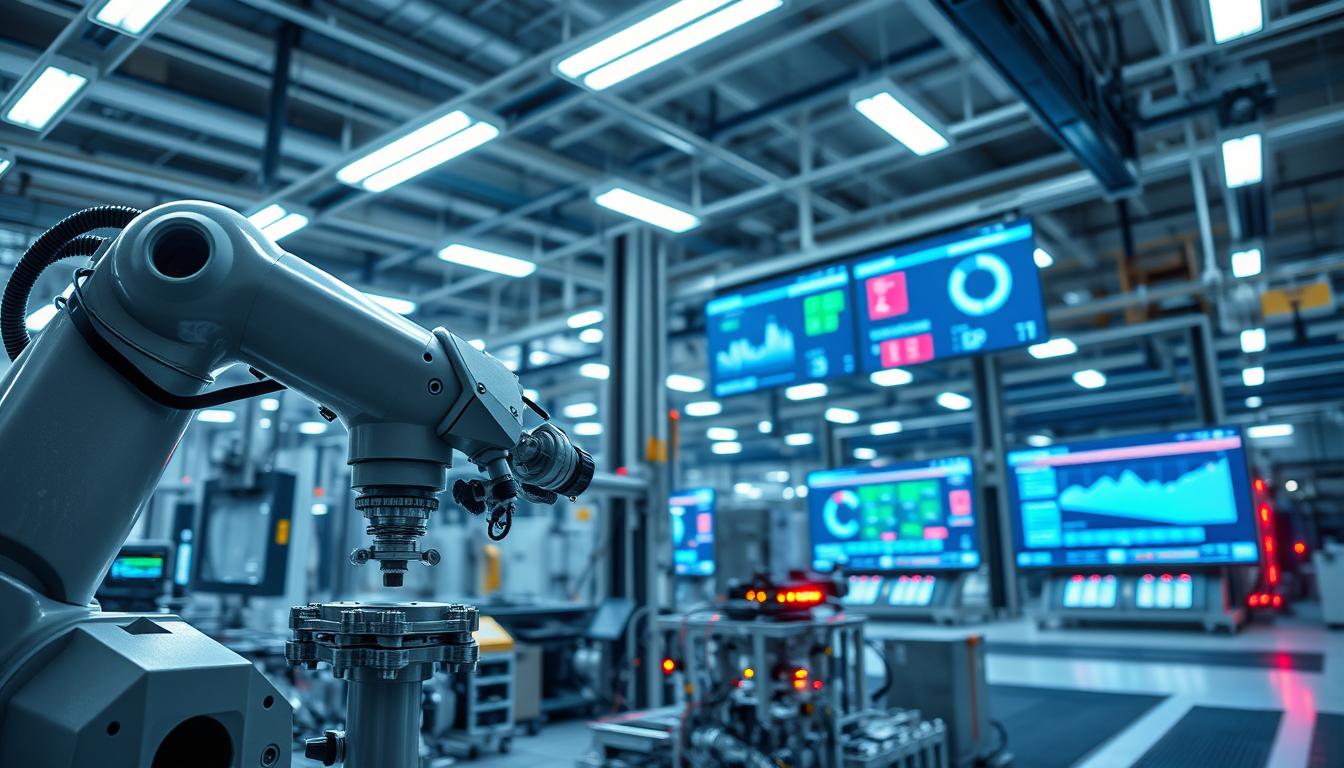
Remember dial-up internet? That nostalgic screech while waiting for a single webpage to load? That’s what traditional manufacturing looks like in 2025 – charmingly obsolete and painfully slow.
Welcome to manufacturing’s smartphone era. Edge computing acts as the on-site supercomputer, making real-time decisions without cloud approval. It’s like having a genius assistant right on the production line who doesn’t need to call headquarters for every tiny decision.
IIoT is the nervous system connecting everything from microscopic sensors to massive robotic arms. This digital-first approach transforms crisis management into predictive excellence. Remember those three critical pumps failing overnight? That’s what happens when you’re flying blind without proper industrial connectivity.
We’re not just talking technology – we’re discussing the difference between reactive panic and operational poetry. Running a modern facility without these systems is like trying to win the Daytona 500 with a golf cart.
Standards & Architecture
Let’s explore the digital plumbing that makes industrial IoT edge integration work. Without proper standards, you’re just building a house of cards with expensive sensors.
Modern architectures have moved from isolated automation islands to fully connected ecosystems. It’s like upgrading from a flip phone to a smartphone – now everything talks to everything else.
OPC UA and MQTT are the universal translators between vendor systems. They’re the diplomatic corps of the industrial world, ensuring German PLCs can peacefully coexist with American sensors and Japanese robots.
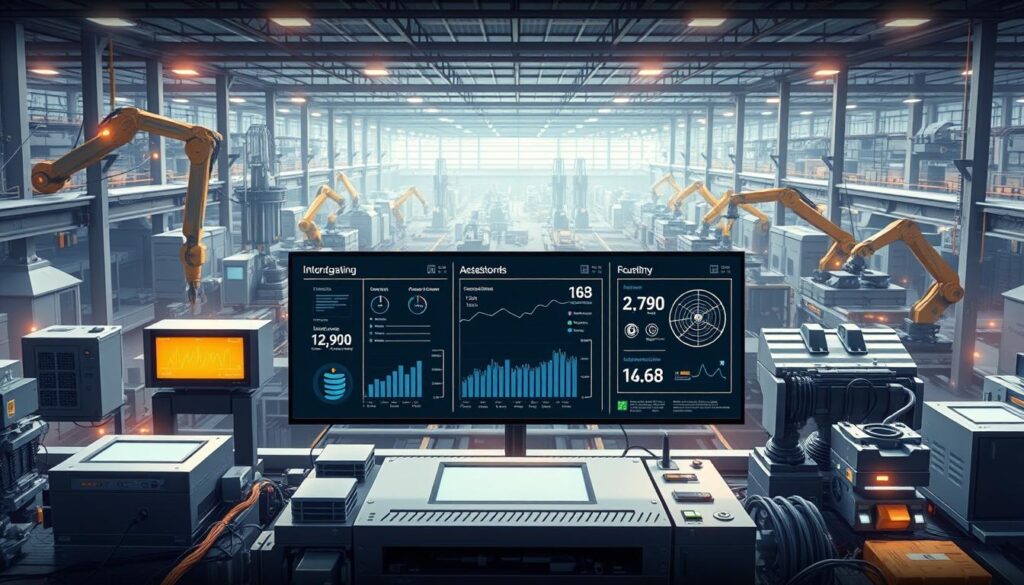
The real magic happens at the edge. Instead of sending every data point to the cloud for processing, edge computing platforms analyze information right where it’s born. We’re talking response times shrinking from seconds to milliseconds.
This architectural shift creates unified platforms where operational technology finally shakes hands with information systems. It’s like getting your left brain and right brain to actually work together instead of arguing over who gets the last donut.
The beauty of proper industrial IoT edge integration? You get Formula 1 pit crew speed with chess grandmaster precision. Decisions happen in real-time, right at the source, without waiting for some distant server to ponder the meaning of sensor data.
Case Study Implementation
Let’s look beyond the buzz and see what really works with industrial IoT solutions. The real proof isn’t in fancy presentations. It’s in the numbers that show success.
FANUC’s FIELD system is a prime example of smart platform case success. They turned industrial robots into smart partners. The system tracks thousands of robots at once, using AI to predict when they need maintenance.
This smart move cut downtime by 25%. That’s not just saving time; it’s saving money by avoiding costly delays.

John Deere took a unique path with their farm equipment. They made tractors into data experts that make decisions on the fly. It’s like giving farmers a magic crystal ball with 5G.
Siemens’ MindSphere platform (now Insights Hub) is like a nervous system for industry. It connects devices to cloud analytics, saving 10-20% in costs. This kind of savings makes CFOs smile.
Bosch Rexroth saw huge gains with their hydraulic systems. IoT sensors cut unscheduled downtime by 40%. This is a major win, not just a small improvement.
These stories show a key point: start small to succeed. Companies that begin with pilot projects on a few key assets see better results. This approach is far more effective than trying to change everything at once.
This method is also seen in Mitsubishi Electric’s success. Focused deployment led to clear improvements. Companies that use structured plans see 80-90% success rates. These numbers are hard to ignore.
The takeaway? Aim high but start small. The best industrial IoT projects are targeted, not all-encompassing. Your bottom line will appreciate it.
Security and Data Management
Connecting your whole operation to the internet is like inviting hackers to a feast. Industrial IoT systems often use public networks, which makes them vulnerable. This keeps cybersecurity experts up all night.
The answer isn’t just to build stronger walls. It’s about smarter gates. Modern edge IIoT integration platforms use zero-trust protocols. They check everything and trust nothing by default.
They use end-to-end encryption, multi-factor authentication, and regular security checks. It’s like Fort Knox’s security, but better.
Data management is key to security. The amount of data generated is huge. Edge computing acts as a smart filter, processing data locally before sending it to central systems.
Cloud-based analytics with AI turn this filtered data into useful insights. The magic happens when security meets real-time performance without losing quality.
Finding the right balance between access and security is crucial. It’s what makes connected factories succeed or fail.



