OpenAI IPO plans are becoming the kind of story that can move the entire AI market from speculation to judgment. If OpenAI moves toward a public listing, investors will not simply be buying into a popular chatbot company; they will be testing whether the most visible name in generative AI can justify the cost, scrutiny, and expectations that now surround the industry.
OpenAI IPO Plans Could Turn AI Hype Into A Public-Market Test
The strongest angle here is not only that OpenAI may go public. It is that a possible IPO would force the AI boom into a more demanding arena, where narrative has to meet financial disclosure, investor pressure, and public accountability.
Recent Reuters coverage of OpenAI IPO plans says the company is preparing for a confidential U.S. IPO filing in the coming weeks, with a possible public listing as early as September 2026. That timeline could change, and any IPO process can slow down depending on market conditions. Still, the signal is hard to ignore: AI’s most watched private company may be moving closer to Wall Street.
That matters because OpenAI is not a normal software story. It sits at the center of a broader argument about model capability, compute spending, enterprise adoption, regulation, legal risk, and the future of work. A public listing would make those questions harder to keep behind private-market optimism.
The Market Will Want More Than Growth
Private investors can tolerate long timelines, aggressive spending, and strategic ambiguity if they believe the upside is enormous. Public markets can be less patient. Once a company lists, the conversation changes from promise to performance.
That is where OpenAI could face a tougher investor lens. Users, brand power, and technical leadership matter, but public shareholders will want to understand revenue quality, customer concentration, infrastructure costs, margins, and the durability of demand. AI tools may be popular, but popularity alone does not settle whether the economics are sustainable.
The tension is simple: the companies building frontier AI need massive computing resources, elite talent, and constant model improvement. Those strengths can also become expensive obligations. If the market begins treating AI infrastructure costs as the defining issue, the IPO conversation could shift quickly from excitement to discipline.
Confidential Filing Does Not Mean A Finished Deal
A confidential IPO filing should not be mistaken for a guaranteed listing. It is often a step that lets a company move through regulatory review without immediately exposing every detail to the public. The SEC’s draft registration statement review process allows qualifying issuers to submit materials for nonpublic review before a public filing.
That distinction matters for readers. A confidential filing would suggest momentum, but it would not settle timing, valuation, share structure, or final market appetite. It would start a more serious process.
Here is the practical comparison that should frame the story:
| IPO Question | Why It Matters For OpenAI |
|---|---|
| Growth quality | Investors will want to know whether demand is recurring, broad, and durable. |
| Compute costs | The market will examine whether infrastructure spending can support strong margins. |
| Competition | Google, Anthropic, and other AI firms will shape investor expectations. |
| Governance | Public investors may scrutinize structure, control, mission, and risk management. |
| Timing | A rushed listing could create pressure if market conditions weaken. |
The key takeaway is that an OpenAI IPO would not only measure enthusiasm for one company. It would measure how seriously public investors believe the AI business model can mature.
The Real Issue Is AI’s Cost Structure
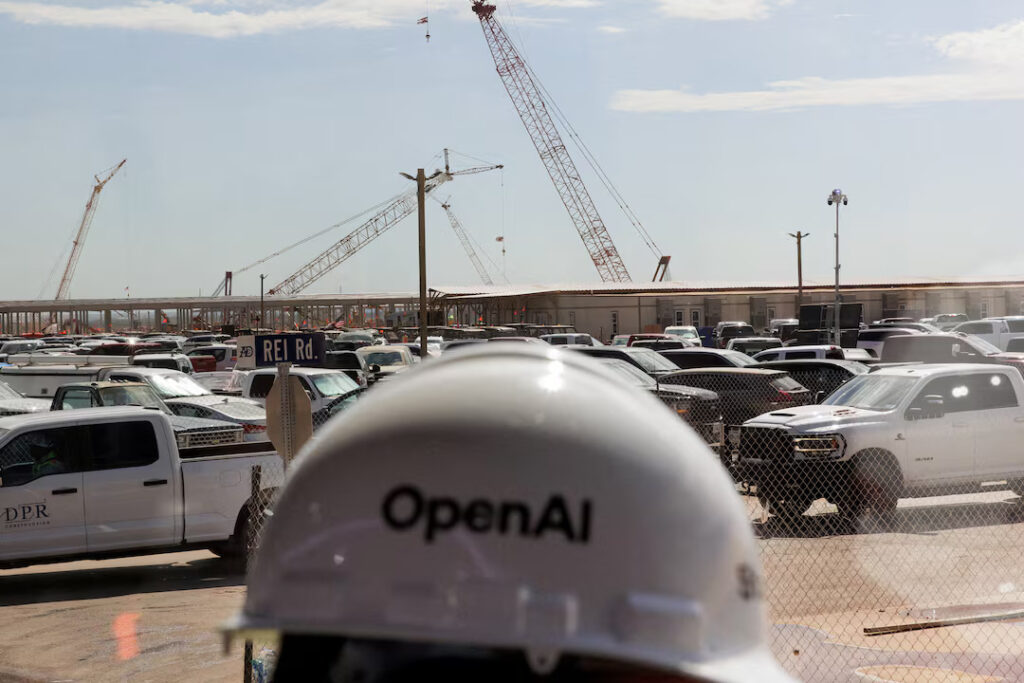
The most underestimated part of this story is not the listing date. It is the cost structure behind frontier AI. Building and serving advanced models requires chips, data centers, energy, engineering talent, safety work, and constant product development. That is a very different profile from classic internet software, where margins could expand dramatically once distribution scaled.
OpenAI may have enormous market visibility, but visibility does not erase the compute cost problem. If every major product improvement requires more infrastructure, investors will ask whether revenue can grow faster than spending. That question could become the central valuation debate.
This is why the IPO story matters even for readers who do not invest. Public-market scrutiny could influence how AI companies price products, prioritize enterprise customers, limit free access, and pursue partnerships. The business model behind AI will shape the products ordinary users eventually receive.
The IPO Could Reset How Startups Talk About AI
An OpenAI listing would also send a message to the wider startup market. For the last few years, many AI startups have raised money around speed, technical ambition, and the belief that new AI workflows would quickly reshape entire industries. That pitch may still be powerful, but public-market scrutiny tends to punish vague economics.
That is where the story connects with the broader shift from hype to execution. The next phase of AI will likely reward companies that can show clear customer value, defensible distribution, and real operational discipline, not only impressive demos. That is why AI in business and startups is becoming less about excitement and more about implementation.
For founders, the signal is sharp: if OpenAI has to prove economics, everyone else will too. The market may still reward bold AI companies, but it will ask harder questions about margins, retention, differentiation, and legal exposure.
The Signals That Will Decide Whether The IPO Story Holds
The next phase of the story will depend on several signals. The first is whether OpenAI actually files confidentially and how quickly any public paperwork follows. The second is valuation discipline. A massive valuation can create excitement, but it can also raise the bar so high that even strong performance looks disappointing.
The third signal is competitive pressure. Google, Anthropic, Meta, xAI, and open-source model providers all affect how investors understand OpenAI’s moat. If the market believes model advantages are temporary, OpenAI will need to show that its ecosystem, enterprise relationships, user base, and product velocity create lasting leverage.
The fourth signal is governance. Public investors will want clarity around structure, control, risk, and strategic obligations. That could become a credibility test as much as a financial one.
OpenAI IPO plans matter because they could become the defining public-market test of the AI boom. A successful listing would strengthen the case that frontier AI can support one of the largest business stories in technology. A difficult process would not end the AI race, but it could force the industry to grow up quickly. Either way, the market is moving toward a harder question: not whether AI is powerful, but whether the business behind it can carry the weight of its own expectations.